Zara Font: A Comprehensive Guide to Bold Decorative Typography
In the vast landscape of digital typography, finding a typeface that genuinely commands attention without sacrificing professional integrity is a rare challenge. Zara emerges as a distinctive solution for designers and creators seeking to break away from conventional aesthetics. This stunning decorative display font is engineered specifically to be the center of attention, featuring unique artistic elements and a strong visual personality that sets it apart from standard sans-serif or serif families. For business owners, graphic designers, and content creators, understanding the specific utility and limitations of Zara is essential before integrating it into a visual identity system.
Typography is not merely about readability; it is about voice. Zara provides a loud, confident voice suitable for specific high-impact applications. However, its specialized nature requires a strategic approach to design. This guide explores the practical characteristics, best-use scenarios, and technical considerations of the Zara typeface to help you determine if it aligns with your creative objectives.
The Visual Identity and Design Philosophy of Zara
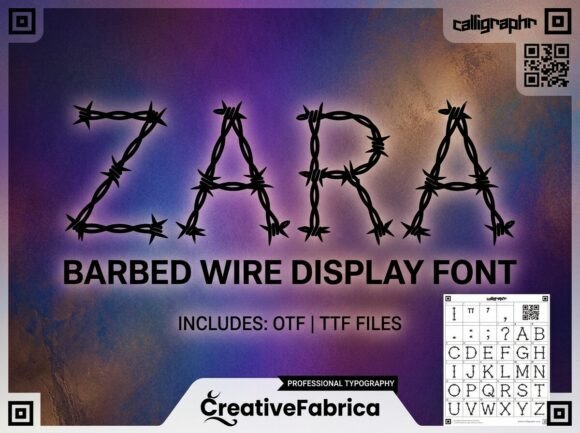
Zara is classified as a decorative display typeface, a category reserved for fonts intended for large-scale use rather than extended reading. The design philosophy behind Zara centers on the concept of "lettering as art." Each glyph has been crafted with unique artistic flourishes that contribute to a cohesive yet dynamic visual texture. Unlike minimalist fonts that aim to disappear into the background, Zara demands to be seen.
The visual personality of this font strikes a delicate balance between avant-garde expressionism and polished professionalism. Many decorative fonts risk appearing amateurish or overly whimsical, but Zara maintains a structured finish that makes it viable for commercial projects. This versatility allows it to function effectively in contexts ranging from high-fashion editorial layouts to artisanal product packaging. The weight and proportion of the letterforms are optimized for headline usage, ensuring that the intricate details remain crisp and legible even when scaled for billboards or social media banners.
Critical Usage Constraint: Understanding the All-Caps Format
Before acquiring or implementing Zara, it is imperative to understand its most significant functional constraint. This font is an ALL-CAPS Uppercase Only display typeface. It does not include lowercase letters. This is not a missing feature but a deliberate design choice intended to maximize visual impact and uniformity.
For designers accustomed to standard sentence case or title case workflows, this limitation requires an adjustment in typographic hierarchy. Because every letter is designed as a standalone work of art, mixing Zara with other uppercase-heavy fonts can sometimes create visual competition. Instead, Zara works best when paired with clean, neutral sans-serif or simple serif typefaces for subheadings and body copy. This contrast ensures that Zara remains the focal point while supporting text remains accessible.
Practical Expectation: Do not attempt to use Zara for paragraphs, captions, or any text block exceeding three to five words. The lack of ascenders and descenders associated with lowercase letters reduces reading speed significantly in long-form contexts. Reserve this typeface strictly for:
- Main headlines and titles
- Brand logos and wordmarks
- Decorative drop caps or initials
- Short, punchy call-to-action buttons
- Packaging labels and tags
Technical Specifications and File Formats
Professional typography requires reliable file formats that perform consistently across various software and operating systems. Zara is delivered with two industry-standard file types to ensure maximum compatibility for both print and digital workflows.
OTF (OpenType Font)
The OpenType format is the professional standard for advanced design and layout software such as Adobe Illustrator, InDesign, and Photoshop. OTF files support advanced typographic features and are generally preferred for print design and complex vector work. If you are working in a professional creative suite, the OTF version of Zara will provide the most robust performance and access to any potential ligatures or alternate characters included in the font family.
TTF (TrueType Font)
The TrueType format offers universal compatibility. TTF files are ideal for users working in Microsoft Office, Canva, Cricut Design Space, Silhouette Studio, or older operating systems. While TTF lacks some of the advanced OpenType features, it ensures that Zara renders correctly on virtually all devices and platforms. For small business owners creating their own marketing materials or crafters using cutting machines, the TTF file guarantees accessibility without technical friction.
Real-World Applications and Strategic Use Cases
Understanding where Zara excels helps prevent misuse. Based on its bold, artistic construction, the following scenarios represent ideal applications for this typeface.
Branding and Logo Design
Logos require instant recognition. Zara’s unique character shapes provide built-in distinctiveness that reduces the need for heavy modification. A boutique hotel, a luxury skincare line, or a creative agency could utilize Zara for their primary wordmark to convey sophistication and modernity. Because the font is already decorative, logo designers often find they can use the raw typeface with minimal alteration, saving time while achieving a custom look.
Creative Packaging and Labeling
On a crowded retail shelf, packaging must communicate value instantly. Zara is particularly effective for products that rely on aesthetic appeal, such as cosmetics, specialty foods, beverages, and stationery. The font’s polished finish suggests quality, while its artistic flair implies craftsmanship. When used on bottle labels or box lids, Zara creates a premium tactile impression that elevates the perceived value of the product.
Digital Headlines and Social Media
In the fast-scrolling environment of social media, stopping the scroll is the primary metric of success. Zara serves as an excellent tool for Instagram stories, Pinterest pins, and YouTube thumbnails. Its bold strokes remain legible on small mobile screens, unlike thinner script fonts that often vanish at reduced sizes. Content creators can use Zara to highlight key phrases or emotional hooks in their graphics, ensuring the message lands immediately.
Editorial and Event Stationery
For wedding invitations, gala programs, or magazine covers, Zara offers a contemporary alternative to traditional scripts. It conveys celebration and importance without feeling dated. When designing event stationery, consider using Zara for the names of the couple or the event title, while utilizing a complementary serif for dates and venue details. This pairing creates a sophisticated typographic rhythm that guides the reader’s eye through the information hierarchy.
Evaluating Suitability: Is Zara Right for Your Project?
While Zara is a powerful design asset, it is not a universal solution. Evaluating its suitability requires honest assessment of your project’s goals. Consider the following factors before integration:
- Tone Alignment: Does your brand voice match Zara’s confident, artistic personality? If your brand is conservative, corporate, or strictly utilitarian, this decorative display font may feel disjointed. Zara thrives in creative, lifestyle, fashion, and luxury sectors.
- Hierarchy Needs: Do you have sufficient supporting typography? Zara cannot carry a design alone. You must have a solid secondary and tertiary font selection to handle the functional aspects of communication. If you lack these, the design will fail regardless of how beautiful the headline is.
- Medium Constraints: Where will the primary application live? For large-format print and digital displays, Zara is optimal. For dense UI design, data tables, or legal documents, it is entirely inappropriate. Always match the font to the medium’s consumption pattern.
- Audience Expectations: Will your audience appreciate decorative typography? Younger, design-savvy audiences often respond well to expressive type. More traditional demographics may prefer classic serifs. Know your viewer before choosing your voice.
Best Practices for Implementation
To maximize the effectiveness of Zara while maintaining professional standards, adhere to these implementation guidelines. First, always prioritize negative space. Decorative fonts like Zara are visually dense; crowding them against edges or other elements creates clutter. Generous margins and padding allow the artistic details to breathe and enhances overall legibility.
Second, be mindful of color contrast. Because Zara features intricate internal details, low-contrast color combinations can cause the letterforms to blur. Ensure sufficient contrast ratios between the font color and the background, especially for digital accessibility compliance. Third, test across multiple sizes. What looks stunning at 72pt may become illegible at 24pt. Establish minimum size thresholds for your specific use case to preserve the font’s integrity.
Finally, respect the all-caps nature by avoiding forced capitalization in code or CSS. Since the font only contains uppercase glyphs, applying text-transform: uppercase is redundant but harmless. However, never apply text-transform: lowercase or capitalize, as this will result in broken or missing characters. Treat Zara as a specialized graphic element rather than interchangeable text, and it will serve as a powerful asset in your typographic toolkit.
Zara represents more than just a collection of glyphs; it is a strategic design tool for those willing to embrace boldness. By understanding its all-caps limitation, leveraging its dual file formats, and applying it within appropriate contexts, creators can harness its full potential. Whether defining a new brand identity or elevating a single campaign, Zara offers the artistic distinction necessary to make a lasting impression in an increasingly noisy visual world.