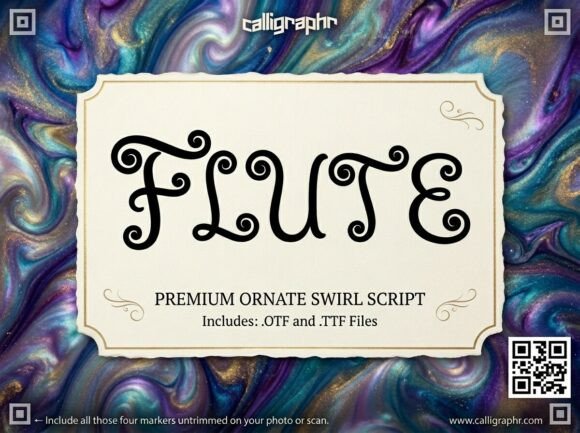
Flute Font: Bold Decorative Typography
Elevating a brand’s visual identity often requires stepping beyond standard typefaces to find something that commands immediate attention, and Flute is a stunning decorative display font designed specifically for this purpose. Featuring unique artistic elements and a strong visual personality, this typeface serves as a powerful tool for graphic designers and marketers aiming to break away from ordinary aesthetics. Whether you are refining a logo design or crafting high-impact social media graphics, Flute offers the distinct character needed to make creative assets memorable while maintaining a polished, professional finish.
The Role of Display Typography in Visual Design
In modern graphic design, typography acts as the voice of visual communication. While body text prioritizes readability, display fonts like Flute focus on emotion, atmosphere, and hierarchy. This font is versatile enough for bold headlines, artistic logos, and creative packaging, making it an essential asset for establishing a unique brand identity. Its decorative nature allows it to function almost as an illustration, adding texture and depth to layouts without requiring additional graphical elements. For creators working on editorial design or advertising campaigns, utilizing such a distinctive typeface helps establish a clear focal point, guiding the viewer’s eye exactly where it needs to go.
Practical Applications Across Creative Projects
The versatility of Flute extends across various mediums, making it a valuable addition to any designer's toolkit. Because it carries such a strong visual weight, it performs best when used strategically in specific contexts:
- Branding and Logo Design: Create custom wordmarks that stand out in competitive markets by leveraging the font’s artistic letterforms.
- Packaging Design: Use bold uppercase lettering to create shelf appeal and convey premium quality on product labels.
- Social Media Graphics: Capture attention in fast-scrolling feeds with striking typographic posters and story templates.
- Merchandise and Apparel: Print large-scale designs on t-shirts, tote bags, or posters where the lettering itself is the primary art.
- Event Stationery: Add a touch of modern elegance to invitations, tickets, and signage for festivals or corporate gatherings.
Technical Specifications and Workflow Integration
Integrating new creative assets into a professional design workflow requires understanding file compatibility and technical constraints. Flute is delivered with both OTF (OpenType Font) and TTF (TrueType Font) files, ensuring seamless performance across industry-standard software like Adobe Illustrator, Photoshop, and Figma, as well as universal compatibility for office applications and web use. The OpenType format is particularly beneficial for advanced layout work, offering better rendering and support for complex typographic features.
However, successful implementation relies heavily on understanding the font's specific design parameters. It is crucial to note that Flute is an ALL-CAPS uppercase-only display typeface. It does not include lowercase letters, as it is specifically engineered for high-impact headlines, logos, and decorative initials where every letter is treated as a standalone work of art. This limitation is actually a feature; it forces intentional design choices and ensures that the typeface is reserved for moments of maximum visual impact rather than diluted in long-form body copy.
Best Practices for Pairing and Hierarchy
To maximize the effectiveness of Flute in your design projects, balance is key. Because this font possesses such a dominant personality, it should be paired with clean, neutral sans-serif or serif typefaces for supporting text. This contrast enhances readability and reinforces visual hierarchy, ensuring that the decorative elements shine without overwhelming the user experience. When selecting color palettes, consider how the intricate details of the letterforms interact with background colors; high contrast usually yields the most legible and professional results.
Additionally, pay close attention to spacing and kerning. Decorative display fonts often require manual adjustment to achieve optical balance, especially in all-caps settings. Taking the time to refine these details transforms a good design into a premium presentation. By treating typography as a core component of your visual strategy rather than an afterthought, you ensure that every element contributes to a cohesive and engaging narrative.
Ultimately, choosing the right typeface is about more than just aesthetics; it is about effective communication. Quality creative assets like Flute provide the foundation for designs that resonate emotionally and function practically. By understanding both the artistic potential and technical requirements of specialized display fonts, designers can craft visual identities that are not only beautiful but also strategically sound and enduring.