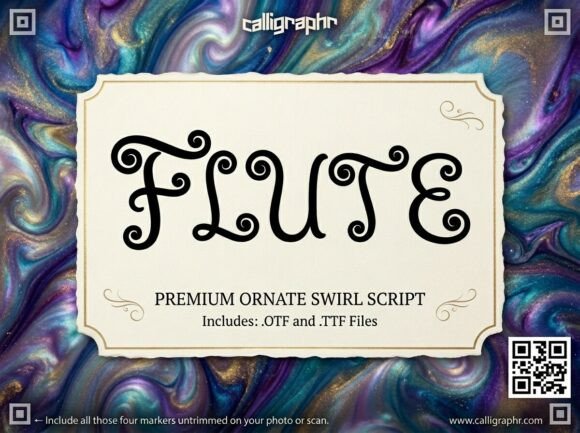
Harly: Bold Decorative Display Font for Impact
In a digital landscape saturated with minimalist sans serifs and predictable geometric typefaces, finding a font that genuinely stops the scroll is a rare achievement. Harly is designed specifically for this purpose. It is not a background player or a utility typeface meant for long-form reading; it is a stunning decorative display font engineered to be the absolute center of attention. For designers, marketers, and business owners who feel their current visual identity has become too safe, Harly offers an immediate injection of artistic personality and bold character.
This typeface bridges the gap between raw artistic expression and professional polish. While many creative fonts sacrifice legibility for style, Harly maintains a structured integrity that makes it viable for commercial applications. It possesses a strong visual weight and unique detailing that transforms standard text into a graphic element. Whether you are refreshing a brand identity, designing product packaging, or creating social media assets, understanding how to leverage Harly’s specific traits is essential for achieving high-impact results without compromising your project's professionalism.
Defining the Visual Personality of Harly
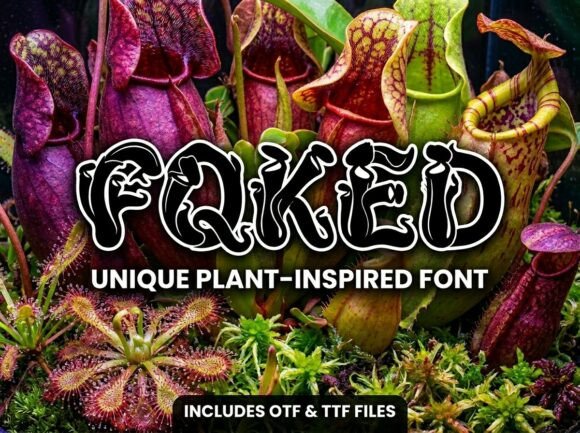
Harly falls squarely into the category of premium display fonts, but its specific aesthetic sets it apart from generic novelty options. The letterforms feature distinctive artistic elements that give each character a sense of individuality while maintaining cohesive rhythm across a wordmark. This balance is critical in modern typography; you want the font to feel handcrafted and expressive, yet stable enough to anchor a layout.
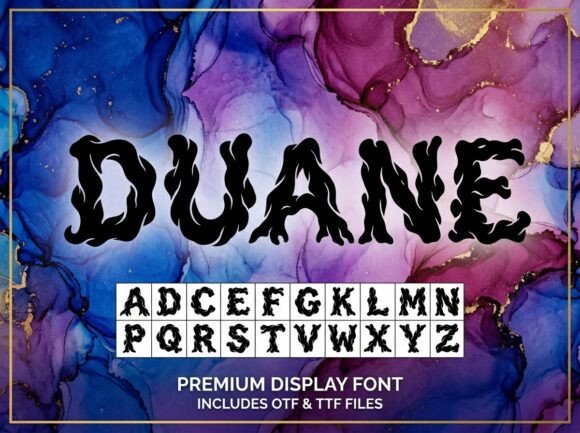
The most defining characteristic of Harly is its uppercase-only construction. This is not a limitation but a deliberate design choice. By focusing exclusively on capital letters, the typeface achieves a uniform height and density that creates powerful rectangular blocks of text. This architectural quality makes it exceptionally effective for logos and headlines where symmetry and presence are paramount. The absence of lowercase letters forces a shift in how you approach hierarchy, encouraging the use of scale, spacing, and color contrast rather than case variation to organize information.
Visually, Harly carries enough texture to stand alone without additional embellishment. In editorial design or poster art, this means the typography itself serves as the primary image. For brands targeting an audience that values creativity and authenticity, this font communicates those attributes instantly. It avoids the sterile perfection of corporate typefaces while steering clear of the messy illegibility often found in distressed grunge fonts. It sits comfortably in the middle ground: artistic, intentional, and refined.
Strategic Applications Across Media
Versatility in a decorative font usually refers to stylistic range, but with Harly, versatility comes from its ability to adapt to different contexts through styling. Because it is inherently loud, it works best when given room to breathe. Here is where this typeface delivers the strongest return on investment for creative professionals:
- Brand Identity and Logo Design: Harly excels as a primary logotype. Its bold structure ensures recognition at small sizes, while the unique letterforms provide trademark potential. It signals a brand that is confident and established.
- Packaging Design: On shelves crowded with similar products, Harly provides necessary shelf impact. It works beautifully for artisanal goods, boutique cosmetics, craft beverages, and luxury items where the label needs to convey quality and distinctiveness.
- Social Media Graphics: In the fast-paced environment of Instagram or Pinterest, you have milliseconds to capture attention. Using Harly for quote cards, announcement overlays, or story headers increases engagement by breaking visual patterns users have become blind to.
- Event Collateral: From concert posters to wedding invitations, this font adds drama and excitement. It pairs particularly well with photography-heavy layouts, acting as a bold caption or title that frames the imagery.
- Web Design Headers: Use Harly for H1 tags or hero section text to set the tone immediately. Keep body copy in a neutral sans serif or serif font to ensure the decorative header remains the focal point.
Navigating Readability and Hierarchy
Using an all-caps display font requires a disciplined approach to readability. Since Harly does not include lowercase letters, you cannot rely on ascenders and descenders to create word shapes that aid rapid reading. Instead, you must treat every headline as a logo. This means tracking (letter-spacing) becomes your most important tool. Tight tracking can make all-caps text feel cramped and aggressive, while generous tracking opens up the letterforms, improving legibility and adding a touch of elegance.
Visual hierarchy must be established through size and weight contrast rather than case change. If you need to emphasize a subhead beneath a Harly headline, do not use another decorative font. Pair it with a clean, highly readable sans serif or a classic serif font. This juxtaposition highlights Harly’s artistic nature while ensuring the supporting information is easily digestible. The goal is to let Harly sing without making the rest of the content struggle to be heard.
Consider the context of consumption. A billboard or a large-format print ad allows for more intricate appreciation of Harly’s details. Conversely, mobile screens require careful testing. What looks bold on a desktop monitor may become muddy on a smartphone. Always test your type scale across devices to ensure the decorative elements remain crisp and the message remains clear.
Technical Specifications and Licensing Considerations
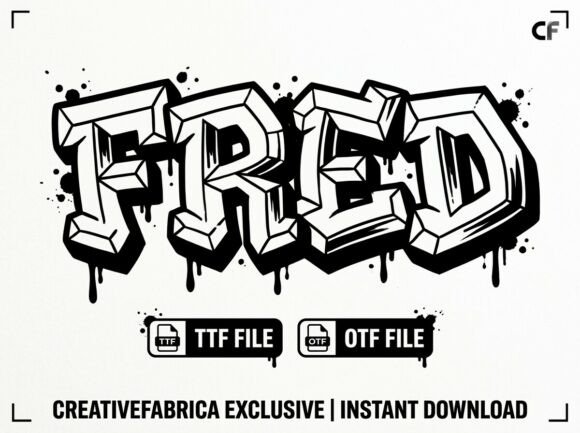
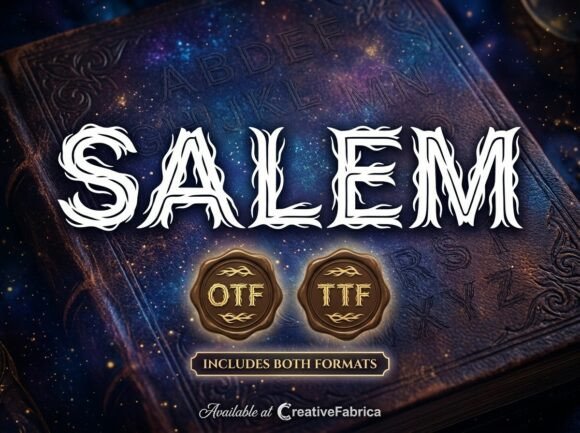
Before integrating Harly into your workflow, understanding the technical deliverables ensures a smooth production process. You will receive both OTF (OpenType Font) and TTF (TrueType Font) files. The OTF file is generally preferred for professional design software like Adobe Illustrator, InDesign, and Affinity Designer, as it supports advanced typographic features and better rendering in layout environments. The TTF file provides universal compatibility, making it ideal for Microsoft Office applications, Canva, or older systems where OpenType support might be limited.
Licensing is equally important for commercial peace of mind. When using a premium font for client work, merchandise, or branding, verify that your license covers the intended end-use. Harly is positioned as a commercial font, but specific usage tiers (such as webfont embedding, app usage, or large-scale broadcast) may require different license levels. Respecting these terms protects both you and the type designer, ensuring the sustainability of independent type foundries.
Finally, remember that Harly is a specialized tool. It is not a replacement for your entire type system. Evaluate your project fit honestly: if your design requires extensive paragraphs of text or subtle tonal shifts, this may not be the right primary choice. However, if your objective is to create a memorable visual hook, establish a bold brand voice, or add artistic flair to a polished layout, Harly provides the exact combination of personality and professionalism needed to elevate your work above the ordinary.