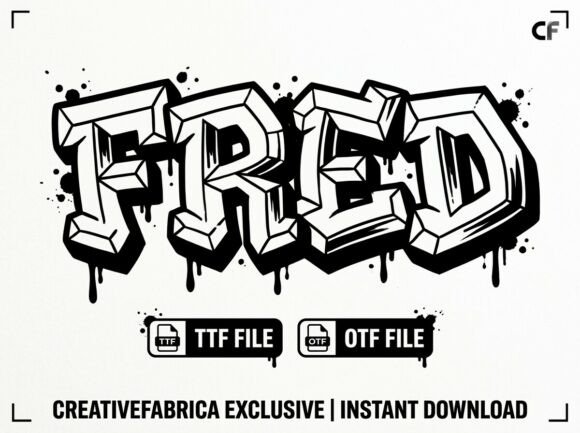
Fred Font: Bold Uppercase Display Type for Impact
In the crowded landscape of digital and print design, capturing immediate attention is often the difference between a project’s success and its obscurity. Typography serves as the primary vehicle for this initial engagement, acting as both voice and visual anchor. Fred is a decorative display font engineered specifically for this purpose, offering a distinct alternative to standard sans-serif or serif typefaces that dominate body copy. Designed with unique artistic elements and a strong visual personality, this typeface functions best when treated as a graphic element rather than mere text. For creators, marketers, and business owners seeking to break away from ordinary aesthetics, understanding the specific utility and limitations of Fred is essential for integrating it effectively into professional workflows.
Elevating Brand Identity Through Distinctive Letterforms
The primary value of Fred lies in its ability to establish an immediate tonal baseline for branding projects. Unlike versatile workhorse fonts designed for readability at small sizes, Fred is constructed to be the center of attention. This makes it particularly valuable for logo design and brand identity systems where distinctiveness is paramount. When a business needs to communicate creativity, boldness, or artisanal quality, standard geometric sans-serifs can sometimes feel too sterile or corporate. Fred introduces organic artistic nuances that suggest human craftsmanship while maintaining a polished, professional finish.
Consider a boutique coffee roaster or an independent art gallery launching a new seasonal campaign. Using a generic bold font might convey the necessary weight but fail to capture the specific atmosphere of the brand. By utilizing Fred for the primary logotype or campaign header, the designer injects character directly into the letterforms. This reduces the reliance on additional illustrative elements to set the mood, potentially simplifying the overall design system. The font carries enough visual interest to stand alone, allowing for cleaner layouts where the typography itself serves as the hero image. This efficiency is crucial for freelancers and small agencies working with tight deadlines who need high-impact results without extensive custom lettering hours.
Navigating the All-Caps Constraint Strategically
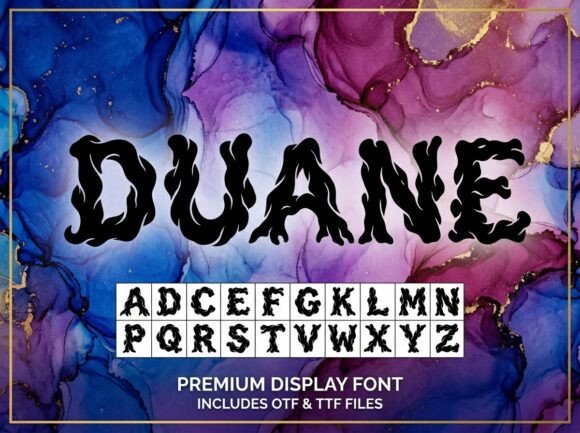
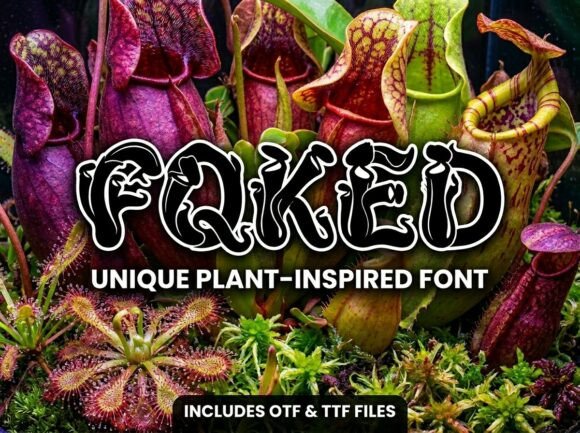
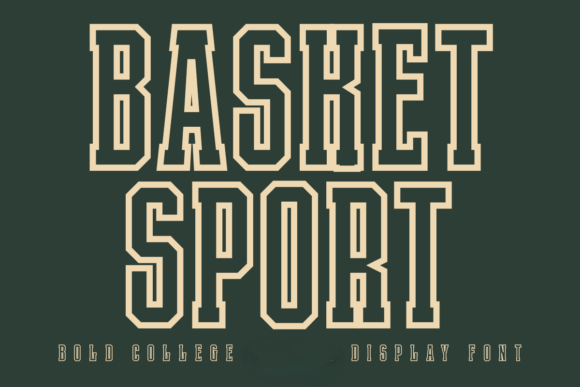
A critical consideration before licensing or deploying Fred is its exclusive uppercase nature. This typeface does not include lowercase characters, a deliberate design choice that fundamentally dictates its application. While some designers view all-caps limitations as restrictive, in the context of display typography, this constraint often enhances visual cohesion. Uppercase-only designs create a uniform rectangular silhouette that provides stability and authority, making them ideal for headlines, posters, and packaging labels where structural balance is key.
However, this characteristic requires disciplined usage. Fred should never be forced into roles requiring sentence case or extended reading. Attempting to use an all-caps display font for subheads, captions, or body copy will inevitably result in poor legibility and visual fatigue. Instead, treat Fred as a specialized tool within a broader typographic hierarchy. Pair it with a highly readable neutral sans-serif or a classic serif for supporting text. This contrast not only ensures accessibility and comprehension but also amplifies the decorative impact of Fred by providing negative space and visual relief. Professionals understand that a font’s limitation is often its greatest strength when applied with intention; Fred excels precisely because it refuses to compromise its bold aesthetic for the sake of versatility.
Practical Applications in Packaging and Editorial Design
Beyond branding, Fred demonstrates significant utility in physical product environments and editorial layouts. In packaging design, shelf presence is determined by split-second recognition. The strong visual personality of this typeface allows product names to cut through visual clutter on retail shelves. Whether applied to cosmetic boxes, craft beverage labels, or limited-edition merchandise, the artistic weight of the letterforms suggests premium quality and intentional design. Because the font maintains a professional polish despite its decorative nature, it avoids looking amateurish or overly whimsical, striking a balance that appeals to adult consumers aged 20–50 who value both aesthetics and credibility.
In editorial and web contexts, Fred serves as an effective pacing mechanism. Long-form content, whether in digital magazines or printed lookbooks, benefits from typographic variation to maintain reader engagement. Using Fred for section openers, pull quotes, or cover titles creates visual landmarks that guide the eye through the content. For bloggers and publishers, this means improved content consumption metrics; readers are more likely to scan and engage with articles that feature dynamic typographic breaks. The font’s artistic elements provide the texture typically reserved for custom illustrations, saving budget and production time while delivering a bespoke feel.
Technical Compatibility and Workflow Integration
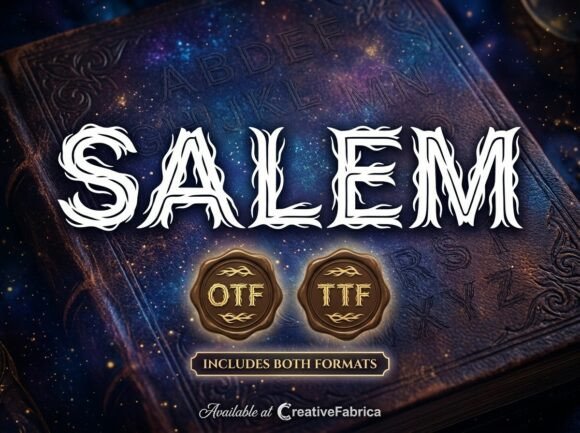
For professionals managing cross-platform deliverables, technical reliability is as important as aesthetic appeal. Fred is supplied in both OTF (OpenType Font) and TTF (TrueType Font) formats, ensuring seamless integration across diverse software ecosystems. The OTF format is generally preferred for advanced design work in Adobe Illustrator, InDesign, or Affinity Designer, as it supports sophisticated layout features and superior rendering in professional publishing environments. Conversely, the TTF format guarantees universal compatibility for clients, office suites, and older systems that may not fully support OpenType standards.
This dual-format delivery solves a common friction point in client handoffs. A freelance designer might create a stunning poster using the OTF version, but the client may later need to edit a PowerPoint presentation or a Word document using the same branding. Providing the TTF version ensures the visual identity remains consistent even outside professional design software. This foresight prevents the "missing font" errors that plague collaborative projects and maintains brand integrity across all touchpoints. For educators and hobbyists learning design, having access to industry-standard file types also provides valuable exposure to professional asset management practices.
Making Informed Typographic Decisions
While Fred offers substantial creative advantages, it is not a universal solution. Effective design requires matching the tool to the specific communication goal. This typeface is optimized for high-impact scenarios: headlines, logos, decorative initials, and short-form display text. It is ill-suited for user interfaces, dense informational signage, or any context where rapid scanning of mixed-case text is required. Designers must evaluate whether their project demands the assertive, artistic voice Fred provides or if a more subdued, functional typeface would better serve the user experience.
Furthermore, the decision to use an all-caps display font should align with the brand’s long-term strategy. Trends in decorative typography evolve, and while Fred’s artistic elements are currently resonant, brands should consider how this bold choice ages alongside their identity. For seasonal campaigns, event branding, or product launches, Fred offers maximum impact with minimal commitment risk. For permanent corporate rebrands, it may be best utilized as a secondary accent face rather than the primary wordmark, unless the brand’s core identity is intrinsically tied to bold artistic expression.
Ultimately, Fred represents a specific category of typographic tool: one that prioritizes expression over utility. For the target audience of creators, entrepreneurs, and marketers, its value is measured not in words per minute read, but in moments of attention captured. By respecting its uppercase-only architecture and leveraging its dual-format flexibility, professionals can harness this typeface to create work that is visually arresting, technically sound, and strategically effective. The font succeeds when users approach it not as a default text setting, but as a deliberate design element chosen to transform ordinary messages into memorable visual experiences.