Mastering Dark Aesthetics: A Comprehensive Guide to the Gothic Horror Font Bundle
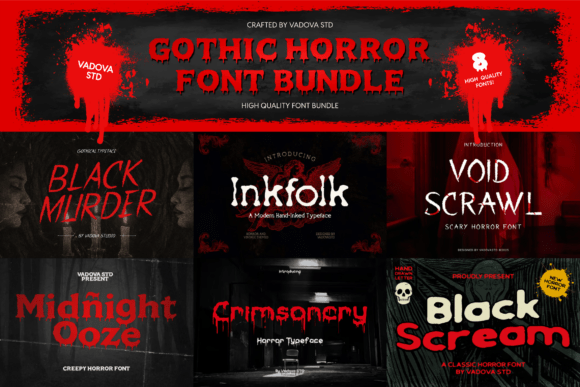
In the vast landscape of graphic design and visual storytelling, typography serves as the silent narrator. Before a viewer reads a single word of copy, the shape, texture, and weight of the letterforms have already established an emotional baseline. When it comes to genres defined by atmosphere—specifically horror, thriller, and dark fantasy—standard typefaces often fail to convey the necessary depth of dread. This is where specialized tools like the Gothic Horror Font Bundle become essential assets for creators. Designed to evoke fear, mystery, and a palpable dark atmosphere, this collection represents more than just stylized text; it is a fundamental building block for immersive visual experiences.
For designers, marketers, and content creators, understanding the utility and application of such a bundle is crucial. It bridges the gap between generic design and authentic genre representation. Whether you are crafting a movie poster, designing an indie game interface, or branding a Halloween event, the right typography dictates the audience's psychological response. This guide explores the significance, practical applications, and strategic implementation of gothic horror typography in modern creative work.
The Anatomy of Fear: Understanding Gothic Horror Typography
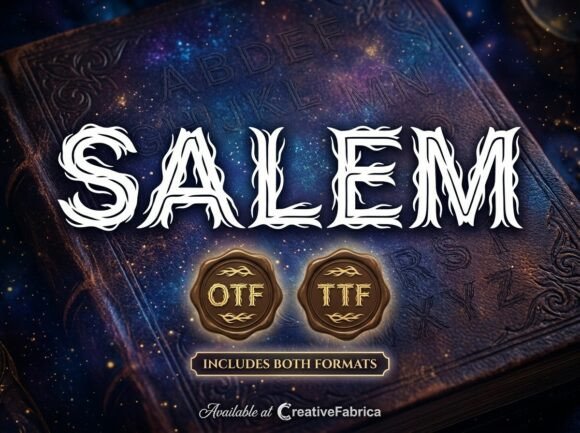
To fully appreciate the value of a Gothic Horror Font Bundle, one must first understand what distinguishes it from standard blackletter or decorative fonts. True horror typography is not merely about looking "old" or "fancy"; it is about visual tension. The fonts within this specific bundle are inspired by haunted visuals and classic terror aesthetics, featuring expressive letterforms that communicate narrative through form alone.
Key characteristics that define this typographic style include:
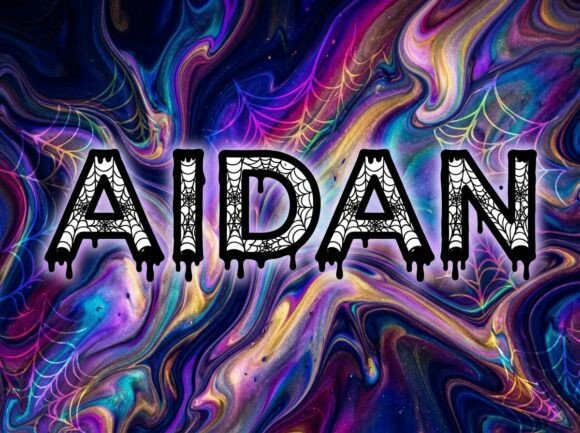
- Dripping Details: Perhaps the most visceral element, dripping effects mimic blood, slime, or melting wax. This adds a layer of biological unease to the design, suggesting decay or violence without showing explicit imagery.
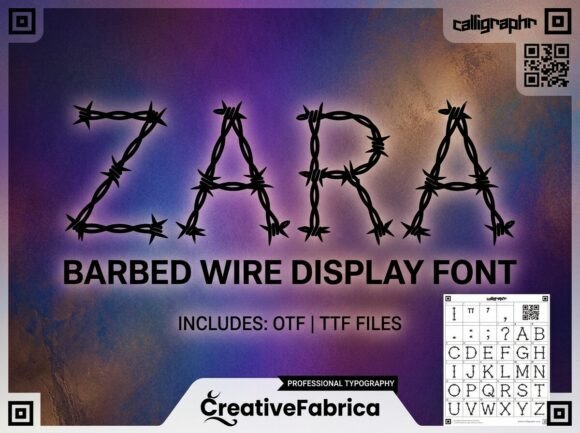
- Rough Textures: Clean lines suggest safety and order. Conversely, rough, distressed textures imply age, neglect, and chaos. These imperfections make the digital font feel analog, weathered, and physically present.
- Unsettling Character Shapes: Distorted gothic forms break the rules of traditional readability. Elongated ascenders, jagged serifs, and unbalanced proportions create a subconscious sense of wrongness that keeps the viewer on edge.
- High Contrast Weight: Many fonts in this category utilize extreme contrast between thick and thin strokes, mimicking the dramatic lighting (chiaroscuro) found in horror cinema and gothic architecture.
These elements combine to create a typographic presence that feels eerie, bold, and unforgettable. For the beginner designer, recognizing these traits helps in selecting the right tool for the job. For the experienced art director, they serve as a palette for mixing and matching to achieve a bespoke level of terror.
Practical Applications Across Creative Industries
The versatility of the Gothic Horror Font Bundle extends far beyond October 31st. While Halloween visuals are an obvious use case, the demand for dark aesthetics is year-round across multiple industries. Understanding where and how to apply these fonts can significantly elevate professional projects.
Entertainment and Media
In the entertainment sector, typography is often the first point of contact between the audience and the content. Movie titles for thrillers and horror films rely heavily on display fonts to set expectations. A font with distorted gothic forms signals a psychological horror, while blood-dripped lettering might indicate a slasher or gore-focused film. Similarly, video game visuals utilize these typefaces in main menus, HUDs, and promotional art to maintain immersion. When a player launches a survival horror game, the UI typography must reinforce the feeling of danger before gameplay even begins.
Branding and Editorial Design
Niche businesses often require branding that steps outside corporate minimalism. Tattoo parlors, metal bands, escape rooms, haunted attractions, and alternative fashion labels benefit immensely from spooky branding. Using a font bundle allows these businesses to maintain consistency across album covers, merchandise, social media graphics, and signage. In editorial layouts for horror anthologies or dark fiction magazines, these fonts serve as powerful chapter headers and pull quotes, breaking up body text and maintaining the reader’s atmospheric engagement.
Digital Content and Social Media
Content creators focusing on true crime, paranormal investigation, or creepypasta narration need thumbnails and overlays that grab attention instantly. In the crowded digital space, a standard sans-serif title may be overlooked. A thumbnail featuring intense, textured gothic typography communicates the video's tone immediately, improving click-through rates by aligning visual promises with content delivery.
Clarifying Common Misunderstandings About Horror Fonts
Despite their popularity, gothic horror fonts are frequently misused. Addressing these common pitfalls ensures that your designs remain effective rather than amateurish.
Misconception 1: Horror fonts are only for Halloween.
While seasonal spikes in usage occur, dark aesthetics are a perennial genre. True crime podcasts, heavy metal festivals, and gothic literature exist year-round. Limiting these assets to autumn ignores a massive market of evergreen content.
Misconception 2: More distortion equals more scary.
Legibility remains paramount. If the audience cannot read the title or message, the design has failed. The Gothic Horror Font Bundle is crafted for display use, meaning it is optimized for headlines and large formats. However, designers must still balance artistic distortion with functional communication. Use these fonts for impact, not for body copy.
Misconception 3: All gothic fonts are interchangeable.
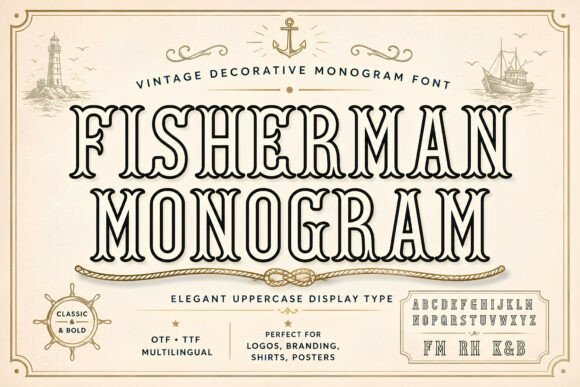
There is a distinct difference between Victorian elegance and visceral horror. A clean blackletter font may suit a historical drama, but it lacks the "dripping details" and "rough textures" necessary for a zombie apocalypse theme. Contextual awareness is key; select the specific font from the bundle that matches the sub-genre of your project.
Integrating Dark Typography into Modern Workflows
Incorporating the Gothic Horror Font Bundle into modern design workflows requires both technical knowledge and artistic sensitivity. Here are best practices for maximizing impact:
- Pairing with Contrast: Let the horror font be the star. Pair it with a clean, minimalist sans-serif or a simple serif for supporting text. This contrast amplifies the intensity of the display font and ensures information hierarchy.
- Color Psychology: While red and black are staples, do not ignore other palettes. Sickly greens, bruised purples, and desaturated greys can enhance the unsettling nature of the letterforms. The texture of the font interacts differently with various background colors; test extensively.
- Texture Layering: Although the fonts come with built-in textures, consider overlaying additional grunge, film grain, or paper textures in your design software. This integrates the type into the background environment, making it feel like part of the world rather than a sticker placed on top.
- Scale and Spacing: Display fonts often require tight tracking (letter spacing) to create a cohesive shape, or wide tracking to create a sense of isolation. Experiment with scale; sometimes, making the type overwhelmingly large creates a claustrophobic effect that enhances the horror.
The Significance of Specialized Assets in Design
Why invest in a dedicated bundle rather than using free alternatives? The answer lies in quality, cohesion, and licensing. Professional bundles like the Gothic Horror Font Bundle offer a unified aesthetic language. When designing a comprehensive campaign involving posters, web banners, and merchandise, having a family of fonts that share the same DNA ensures brand consistency. Furthermore, professionally crafted fonts include proper kerning pairs, alternate characters, and multilingual support that free downloads often lack.
From an E-E-A-T (Experience, Expertise, Authoritativeness, and Trustworthiness) perspective, using high-quality, licensed assets demonstrates professionalism. It shows respect for the craft of type design and ensures legal safety for commercial projects. For businesses and creators, this reliability is as important as the aesthetic appeal.
Conclusion: Elevating Narrative Through Type
The Gothic Horror Font Bundle is more than a collection of spooky letters; it is a sophisticated tool for emotional communication. By leveraging dripping details, rough textures, and distorted forms, designers can bypass rational processing and speak directly to the viewer’s primal instincts. Whether applied to a blockbuster movie title, an indie game, or a niche brand identity, these fonts provide the dramatic tension necessary to make horror visuals resonate.
As visual culture continues to evolve, the demand for authentic, atmospheric design grows. Understanding the nuances of gothic horror typography empowers creators to move beyond clichés and craft experiences that are genuinely chilling. By respecting the history of the genre while utilizing modern typographic tools, we ensure that the art of visual terror remains vibrant, impactful, and profoundly effective. Embrace the darkness in your next project, and let the typography tell the story that words alone cannot.