Evaluating Sugar Loved Texture for Retro and Playful Design Projects
Selecting the appropriate typeface is a critical decision in visual communication, as typography often conveys tone before the viewer reads a single word. For designers seeking to infuse projects with nostalgia and warmth, Sugar Loved Texture presents a distinct option within the retro display font category. This typeface combines soft curves with a bold presence, offering a specific aesthetic that bridges vintage charm and contemporary playfulness. However, like any specialized design asset, it requires careful evaluation to determine if its characteristics align with project goals. Understanding the functional attributes, best-use scenarios, and inherent limitations of Sugar Loved Texture allows designers to make informed decisions rather than relying solely on stylistic preference.
Defining the Visual Characteristics
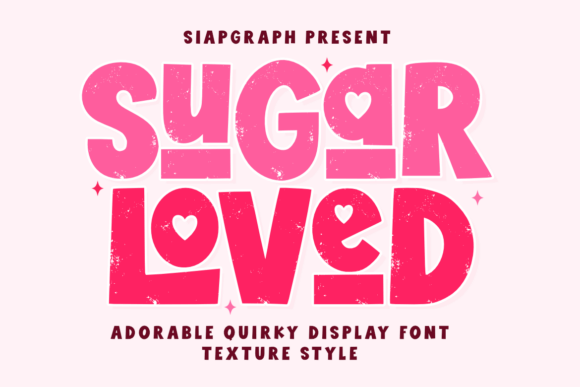
Sugar Loved Texture is classified as a retro display font, meaning it is engineered primarily for large-scale visibility rather than extended reading. Its defining features include rounded terminals, consistent stroke weight, and a slightly condensed letterform structure. These elements contribute to its "adorable and quirky" reputation, distinguishing it from sharper, more geometric retro revivals or rigid slab serifs. The texture component implies a subtle grain or imperfection integrated into the vector outlines, which prevents the digital rendering from appearing sterile. This tactile quality mimics traditional print methods, adding a layer of authenticity to designs that aim for a handcrafted or nostalgic feel. When evaluating this font, it is essential to recognize that these stylistic choices are not merely decorative; they dictate how the type interacts with negative space, color backgrounds, and accompanying imagery.
Strategic Applications and Ideal Use Cases
The versatility of Sugar Loved Texture lies in its ability to soften bold messaging without sacrificing impact. Designers should consider this typeface when the primary objective is to evoke emotion, comfort, or whimsy. Specific applications where this font performs optimally include:
- Social Media Graphics: The bold appearance ensures legibility on small screens, while the playful curves encourage engagement and stopping power in crowded feeds.
- Event Branding and Posters: For festivals, bake sales, children’s events, or retro-themed gatherings, the font establishes an immediate thematic connection.
- Packaging Design: Products targeting a demographic that values artisanal, organic, or nostalgic qualities benefit from the textured, soft aesthetic.
- Short-Form Headlines: Website hero sections or blog titles that require personality without overwhelming the user interface.
In these contexts, Sugar Loved Texture functions as a primary visual anchor. Its dreamy touch complements pastel color palettes, hand-drawn illustrations, and photographic styles that feature natural lighting or film grain. The font succeeds here because it reinforces the content's emotional intent rather than competing with it.
Benefits of Integration
Beyond aesthetics, there are practical advantages to incorporating Sugar Loved Texture into a design system. The most significant benefit is instant tonal establishment. In an era of minimalist sans-serif dominance, utilizing a character-rich display font helps brands differentiate themselves visually. The rounded forms are psychologically associated with friendliness and approachability, which can be advantageous for community-focused organizations or lifestyle brands. Additionally, the built-in texture reduces the need for post-processing effects. Designers do not need to apply external noise filters or distress overlays to achieve a vintage look, streamlining the production workflow and ensuring consistency across different media formats. The bold weight also provides excellent contrast against light backgrounds, reducing accessibility concerns often associated with delicate script fonts.
Tradeoffs and Technical Considerations
Despite its strengths, Sugar Loved Texture is not a universal solution. Evaluating its limitations is just as important as appreciating its style. The primary tradeoff is readability at smaller sizes. The textured edges and soft curves that define its character become liabilities when scaled down below 24 points. At body copy sizes, the texture creates visual noise that impedes reading speed and comprehension. Consequently, this font cannot serve as a standalone typographic system; it necessitates pairing with a highly legible sans-serif or serif for supporting text.
Another consideration is contextual appropriateness. The quirky and adorable nature of the typeface may undermine authority in formal sectors such as finance, legal services, or medical technology. While retro trends are cyclical, the specific flavor of nostalgia offered by Sugar Loved Texture leans heavily toward leisure and lifestyle. Using it in incongruent contexts can create cognitive dissonance for the audience. Furthermore, designers must evaluate licensing terms carefully. Display fonts often have different commercial use stipulations compared to standard text faces, and ensuring compliance is a non-negotiable aspect of professional selection.
When to Consider Alternatives
Decision-making involves recognizing when a tool is insufficient for the task. Alternatives to Sugar Loved Texture should be explored under specific conditions. If a project requires extensive hierarchy with multiple levels of headings, subheads, and captions all sharing a similar retro vibe, a comprehensive retro superfamily with matching weights and styles may be more efficient. Sugar Loved Texture is a singular expression; it lacks the variable weights needed for complex information architecture.
Additionally, if the design goal is "retro" but the specific mood is serious, industrial, or futuristic, this font will miss the mark. A geometric grotesque or a sharp serif revival would better communicate mid-century modern professionalism or Y2K futurism. Finally, if accessibility is the paramount concern and the design must remain legible at very small sizes for users with visual impairments, a clean, high-x-height sans-serif is objectively superior. Sugar Loved Texture prioritizes atmosphere over utility, and acknowledging this distinction prevents usability failures.
Making the Final Selection Decision
Ultimately, bringing ideas to life with Sugar Loved Texture depends on alignment between the font’s personality and the project’s strategic needs. Designers should conduct a simple audit before adoption: Does the target audience respond positively to softness and nostalgia? Is the text volume low enough to maintain legibility? Does the existing brand identity accommodate quirkiness? If the answers are affirmative, this typeface serves as a powerful asset for creating eye-catching, emotionally resonant visuals. It excels at transforming generic layouts into memorable experiences through its unique blend of boldness and delicacy. However, if the project demands neutrality, high-density information delivery, or formal authority, the search should continue. By weighing these factors objectively, creatives can ensure that their typographic choices support both the aesthetic vision and the functional requirements of their work.