Candy Groove: Elevating Retro Design with Playful Versatility
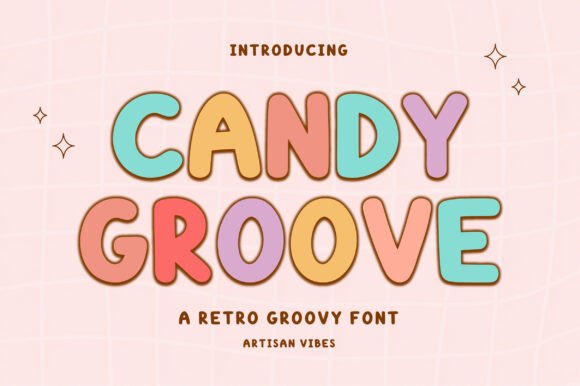
In the ever-evolving landscape of graphic design, finding a typeface that balances nostalgic charm with modern functionality is a frequent challenge for creatives. Candy Groove emerges as a definitive solution for designers seeking to inject warmth and personality into their work without sacrificing professional clarity. This playful retro groovy font captures the essence of 70s aesthetic design through bold rounded letterforms and smooth curves, offering a cheerful vintage vibe that resonates across digital and print mediums. For adults managing branding projects, event planning, or product packaging, understanding how to leverage this specific typographic style can transform a generic layout into an engaging, emotionally connected experience.
Addressing Common Design Challenges with Retro Typography
Designers often face a dichotomy when attempting to incorporate vintage elements into contemporary projects. The primary goal is usually to evoke a sense of nostalgia or fun, but many retro fonts suffer from poor legibility, overly distressed textures, or rigid styling that clashes with clean modern layouts. When a font is too ornate, it becomes unreadable at smaller sizes; when it is too sterile, it fails to convey the intended emotional tone. This friction point is where Candy Groove provides a practical advantage.
Unlike harsher psychedelic typefaces from the same era, Candy Groove features soft edges and a handmade look that maintains high readability. This solves the issue of accessibility in retro design. Whether you are designing a poster meant to be read from a distance or a social media graphic viewed on a mobile device, the bold yet rounded structure ensures that the message remains clear. The font addresses the need for versatility by bridging the gap between a novelty display face and a functional heading font, allowing users to maintain a cohesive visual identity across various touchpoints without switching type families.
Practical Applications Across Creative Projects
The true value of Candy Groove lies in its adaptability. While it is rooted in a specific historical aesthetic, its application is remarkably broad. Understanding where and how to deploy this font can significantly enhance project outcomes.
Branding and Packaging Identity
For small business owners and brand strategists, standing out in a saturated market requires distinct visual cues. Candy Groove is particularly effective for brands in the food, beverage, children’s apparel, and lifestyle sectors. Its warm energy communicates approachability and joy, which are critical attributes for consumer-facing products. On packaging, the bold weight of the letterforms allows for strong hierarchy, making product names pop against colorful backgrounds while the soft curves suggest safety and quality. This makes it an ideal choice for artisanal goods, boutique confectioneries, or eco-friendly products that want to signal a human touch rather than industrial manufacturing.
Event Stationery and Invitations
Wedding planners and event coordinators frequently seek typography that feels personal and celebratory. Standard script fonts can sometimes feel too formal or dated, while sans-serifs may appear too corporate. Candy Groove offers a middle ground that feels festive and inclusive. It works exceptionally well for birthday parties, baby showers, and retro-themed weddings. The font’s inherent playfulness sets the tone before the guest even reads the details, creating anticipation and excitement. Because it pairs well with both minimalist layouts and maximalist patterns, it allows for flexible invitation suites that can be adapted for save-the-dates, menus, and signage.
Digital Content and Social Media
In the realm of digital marketing, stopping the scroll is the primary metric of success. Candy Groove’s distinctive silhouette creates immediate visual interest in social media graphics. Content creators can use this font for headlines, quotes, or promotional banners to break the monotony of standard web-safe fonts. However, implementation requires care; because the font has a strong personality, it should be used primarily for display purposes rather than body copy. Pairing it with a clean, neutral sans-serif for supporting text ensures that the design remains balanced and that the call-to-action is not lost in the stylistic flair.
Strategic Implementation and User Considerations
Different users will approach Candy Groove with varying objectives, and tailoring the usage to the specific audience is key to successful design.
- Professional Graphic Designers: Focus on kerning and spacing. While Candy Groove has a handmade look, precise adjustment of letter spacing can elevate it from "crafty" to "premium." Use it to create custom logotypes or wordmarks where the unique curves can be modified or ligatures added to create proprietary brand assets.
- Crafters and DIY Enthusiasts: Leverage the font’s bold strokes for physical applications like vinyl cutting, screen printing, and embroidery. The smooth curves and lack of intricate serifs make it forgiving for beginners working with Cricut machines or heat presses. It is an excellent choice for t-shirts and stickers where fine details might otherwise be lost during production.
- Educators and Youth Program Directors: Utilize the font’s friendly demeanor to create welcoming educational materials. The rounded forms are psychologically associated with safety and positivity, making them perfect for classroom decor, worksheets, and certificates. The high legibility ensures that younger audiences can engage with the content without strain.
Best Practices for Maximizing Visual Impact
To get the most out of Candy Groove, consider the following recommendations for integration and styling. First, embrace color psychology. This font was inspired by 70s aesthetics, so it naturally harmonizes with warm earth tones, mustard yellows, burnt oranges, and avocado greens. However, it also contrasts beautifully with modern pastels or stark black-and-white palettes for a neo-retro effect. The choice of color context dictates whether the design feels authentically vintage or contemporarily reinterpreted.
Secondly, pay attention to negative space. Bold, rounded fonts occupy significant visual weight. Allowing ample breathing room around Candy Groove prevents the design from feeling cluttered or overwhelming. This is especially important in poster design and packaging, where information density can be high. Let the font serve as the anchor of the composition, guiding the viewer’s eye through the layout naturally.
Finally, consider texture pairing. While Candy Groove is clean and vector-based, it pairs wonderfully with grain overlays, paper textures, or halftone patterns to enhance the vintage atmosphere. Conversely, placing it over a solid, flat color emphasizes its modern cleanliness. Experimenting with these background treatments allows users to dial the nostalgia up or down depending on the project requirements.
Achieving Warmth and Readability in Modern Design
Ultimately, the decision to use Candy Groove should be driven by the desired emotional response of the audience. In a digital-first world that often prioritizes sleek minimalism, there is a growing hunger for design that feels tactile, human, and optimistic. This typeface satisfies that need by providing a reliable tool for expressing joy and creativity. It proves that retro design does not have to be kitschy or illegible to be effective.
By focusing on its strengths—bold presence, soft geometry, and versatile charm—designers can solve complex communication problems with elegance. Whether the goal is to sell a product, celebrate a milestone, or simply bring a smile to a viewer's face, Candy Groove serves as a robust foundation for creative expression. It stands as a testament to the enduring power of thoughtful typography, reminding us that good design is not just about how something looks, but how it makes people feel. Incorporating this font into your toolkit offers a pathway to creating work that is both visually striking and deeply resonant with audiences seeking connection and warmth.