Yoland: Elevating Brand Personality with Retro-Modern Bubble Typography
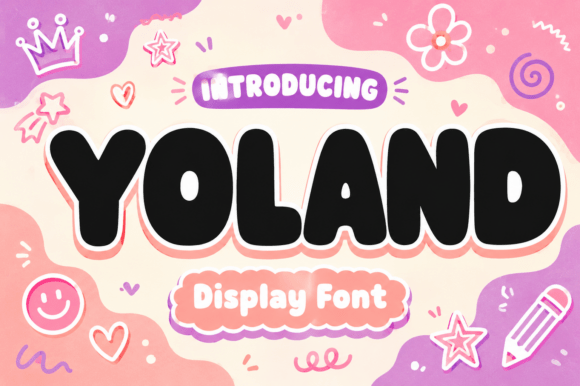
In the competitive landscape of visual communication, selecting the right typeface is often the difference between a design that resonates and one that fades into the background. For designers, marketers, and content creators tasked with conveying warmth, playfulness, and approachability, standard sans-serif fonts can sometimes feel too sterile or corporate. This is where Yoland enters the creative toolkit. As a dynamic display font characterized by bubble-style bold lettering and curved contours, Yoland offers a specific solution for projects requiring a jovial character and tactile appeal. Understanding how to leverage this unique typeface can transform simple headlines into playful attention-grabbers while maintaining professional readability.
Solving the Approachability Gap in Modern Design
A common challenge in branding and digital content creation is balancing personality with legibility. Many decorative fonts sacrifice readability for style, making them unsuitable for anything beyond a single logo mark. Conversely, highly readable fonts often lack the emotional weight needed for family-oriented or lifestyle brands. The goal for many creatives is to find a typeface that feels human, sunny, and captivating without appearing amateurish.
Yoland addresses this friction point by fusing vintage charisma with contemporary styling. Its substantial curves and rounded edges command immediate attention, yet the bold outlines ensure seamless readability even at smaller display sizes. For users struggling to make their brand feel more accessible or friendly, this font acts as a visual bridge. It envelops uppercase letters, numerals, and stylish punctuation in a form that feels plump and safe, effectively softening the tone of any message while retaining structural integrity.
Practical Applications Across Industries
The versatility of Yoland lies in its ability to adapt to various commercial and creative needs while maintaining its core retro-modern vibe. It is not merely a novelty font; it is a functional tool for specific market segments.
Confectionery and Food Packaging
In the food industry, particularly within confectionery and snacks, packaging must evoke taste and texture before the product is even opened. Yoland’s tactile, plump appeal mimics the physical sensation of soft candies, baked goods, or creamy textures. When used on product labels or point-of-sale displays, the font’s bubbly nature creates a subconscious association with sweetness and satisfaction. Designers working in this space should utilize Yoland for primary product names to create a shelf presence that feels organic and inviting rather than manufactured.
Kids and Family-Oriented Branding
Brands targeting children and families face the unique challenge of appealing to two demographics simultaneously: the child who consumes the content and the adult who purchases it. Yoland strikes an optimum balance here. Its friendly demeanor appeals to younger audiences through its cartoon-like aesthetics, while its clean execution reassures parents of quality and safety. This makes it an excellent choice for educational apps, toy packaging, children’s book titles, and family event signage. Unlike chaotic or grungy novelty fonts, Yoland maintains a delightful accessibility that suggests a premium, trustworthy experience.
Social Media and Digital Content
On social platforms where scroll speed is rapid, typography must act as a visual hook. Yoland shines in engaging social media content because its unique letterforms are instantly recognizable in thumbnail sizes. Content creators can use this font for YouTube thumbnails, Instagram story overlays, or TikTok text elements to convey energy and positivity. The retro-modern aesthetic also aligns well with current design trends that favor nostalgia, helping posts feel both timely and timeless.
Implementation Strategies for Different User Needs
While Yoland is distinctively styled, its effectiveness depends on how different users implement it based on their specific objectives.
- For Brand Identity Designers: Use Yoland as a primary logotype or headline font to establish a brand voice that is perky and vivacious. Pair it with a clean, geometric sans-serif for body copy to prevent visual fatigue. The contrast between Yoland’s curves and a structured supporting font enhances the retro-modern effect.
- For Self-Publishers and Illustrators: In children’s book creations and sticker designs, Yoland serves as an integral part of the illustration itself. Because the letterforms have such strong personality, they can be treated as graphical elements. Consider integrating characters or small icons into the negative space of the letters to maximize the whimsical impact.
- For Merchandise Creators: When designing for apparel, mugs, or tote bags, the bold outlines of Yoland ensure high visibility from a distance. The font’s substantial weight holds up well during screen printing and embroidery processes, where thinner decorative fonts might fail or lose detail.
Best Practices for Maximizing Visual Impact
To get the most out of Yoland, designers should consider the context of the medium and the hierarchy of information. Because this is a display font with significant character, it works best when given room to breathe. Cramping Yoland into tight spaces or using it for long paragraphs will negate its charm and reduce legibility.
Color selection also plays a pivotal role in amplifying the font’s warm, sunny sensation. While Yoland works in monochrome, it truly comes alive when paired with vibrant, saturated palettes or soft pastels that complement its retro roots. Dark backgrounds with light Yoland text can create a neon-signage effect, enhancing the nostalgic vibe. Conversely, white or cream backgrounds allow the font’s plump contours to take center stage, reinforcing feelings of purity and simplicity.
Furthermore, users should pay attention to spacing. Although the font includes stylish punctuation and numerals, the kerning is designed to support its bubbly aesthetic. Manual adjustments may be necessary depending on the specific word shapes, as the rounded edges can sometimes create optical illusions of uneven spacing. Taking the time to refine tracking ensures that the final output looks polished and professional.
Why Retro-Modern Typography Matters Now
The resurgence of retro-modern aesthetics is not just a trend; it is a response to an increasingly digital and impersonal world. Audiences crave connection, warmth, and tangible experiences. Yoland provides a shortcut to these emotions. By choosing a typeface that embodies a jovial character and tactile appeal, designers are doing more than arranging letters; they are curating an emotional response.
Whether you are revitalizing a legacy brand, launching a new line of artisanal treats, or creating educational materials for early learners, Yoland offers a rare blend of style and substance. It transforms standard messaging into an engaging design experience, ensuring that every creation comes across as lively, effortlessly smooth, and brimming with personality. By understanding its strengths and applying it strategically, creatives can harness the vibrant charm of Yoland to build deeper connections with their audience.