Evaluating Boldly Playful for Youth-Centric Design Projects
Selecting the appropriate typeface is a critical decision in visual communication, particularly when designing for children and youth demographics. Typography in this sector must balance legibility with emotional resonance, conveying safety, fun, and approachability without sacrificing professional polish. Boldly Playful has emerged as a notable option for designers seeking to bridge the gap between structured graphic design and organic, child-like expression. This evaluation explores the functional characteristics, practical applications, and strategic considerations of using Boldly Playful to help creative professionals determine if it aligns with their specific project requirements.
Defining the Typographic Character
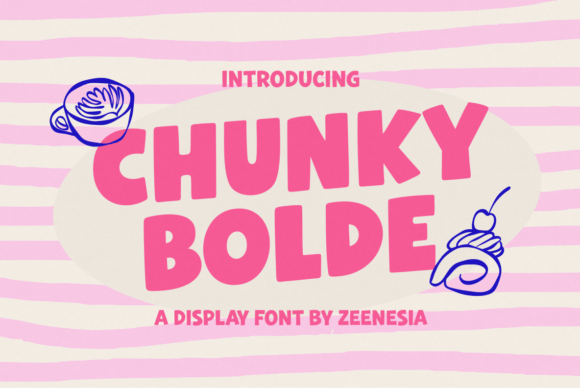
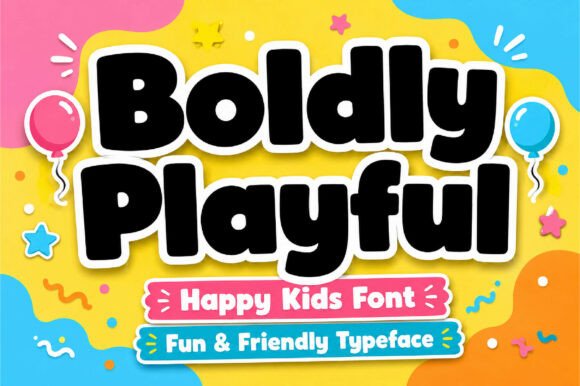
Boldly Playful is classified as a display typeface designed specifically for youth-centric branding. Its primary distinguishing feature is a heavy, rounded letterform structure that carries significant visual weight. Unlike traditional geometric sans-serifs that prioritize mathematical precision, this font incorporates a soft, comic-book aesthetic. The strokes are thick and uniform, yet they terminate in rounded caps that soften the overall silhouette.
A defining technical characteristic is the slightly irregular baseline. Rather than sitting on a perfectly straight horizontal axis, the characters exhibit subtle vertical variations. This design choice mimics the natural imperfections of a child’s handwriting or hand-lettered signage. Despite this organic quality, the font maintains consistent spacing and kerning, ensuring that it functions as a professional digital asset rather than a novelty item. The result is a typeface that feels human-centric and warm while remaining technically reliable for print and digital production.
Strategic Benefits for Youth Branding
When evaluating Boldly Playful against other options in the playful typography category, several functional benefits stand out for specific use cases.
- Immediate Emotional Signaling: The combination of bold weight and rounded edges triggers an immediate psychological association with safety and friendliness. In retail environments or digital marketplaces, this helps products stand out as age-appropriate without requiring additional graphical cues.
- High Visibility at Scale: The heavy stroke width ensures excellent readability at large sizes. This makes the font exceptionally effective for headers, banners, and packaging where quick recognition is necessary. The visual density holds up well against busy backgrounds often found in toy packaging or nursery decor.
- Authenticity in Voice: For brands attempting to communicate directly with children or parents, the irregular baseline adds a layer of authenticity. It avoids the sterile feel of corporate typography, suggesting a brand personality that values creativity and individual expression over rigid conformity.
- Versatility Across Media: While primarily a display font, its robust construction allows it to translate effectively across various mediums, from embroidered textiles on clothing to high-resolution social media graphics and printed book covers.
Tradeoffs and Functional Limitations
No typeface is universally applicable, and understanding the limitations of Boldly Playful is essential for successful implementation. Designers should consider the following tradeoffs during the selection process.
Legibility at Small Sizes
The very features that make Boldly Playful effective at large scales can become liabilities in body copy. The heavy weight reduces negative space within counters (the enclosed spaces in letters like 'o', 'a', and 'e'). At smaller point sizes, these spaces may fill in, reducing readability. Furthermore, the irregular baseline can create a distracting rhythm in long paragraphs. This font is best reserved for headlines, titles, and short callouts rather than extended reading material.
Tone Specificity
Boldly Playful commits strongly to a specific emotional register: energetic, juvenile, and informal. It is generally unsuitable for brands that need to convey sophistication, luxury, or clinical authority. Even within the children’s market, it may not fit educational materials focused on academic rigor or serious developmental milestones. Evaluators must ensure the font's inherent playfulness does not undermine the perceived value or seriousness of the content.
Pairing Complexity
Because Boldly Playful has such a distinct personality, it requires careful pairing with supporting typefaces. Combining it with another decorative or handwritten font can result in visual clutter and competition. It typically performs best when paired with clean, neutral sans-serif or simple serif typefaces that provide structural contrast and allow the display font to serve as the focal point.
Ideal Use Cases and Applications
Based on its typographic anatomy and emotional impact, Boldly Playful demonstrates particular strength in the following scenarios:
- Nursery and Room Decor: Wall art, growth charts, and personalized name signs benefit from the font’s soft yet substantial presence. The rounded forms complement the safe, padded aesthetics typical of infant and toddler environments.
- Children’s Book Covers: The comic-book influence aligns naturally with illustration-heavy covers. The irregular baseline integrates well with hand-drawn artwork, creating a cohesive visual language between text and image.
- Toy Packaging and Merchandising: On crowded shelves, the bold visual weight competes effectively for attention. The friendly silhouette reassures parents while appealing to the target demographic’s sense of fun.
- Social Media Headers and Thumbnails: Digital platforms require instant communication. Boldly Playful’s high contrast and distinctive shape remain legible even when scaled down to mobile thumbnail sizes, making it ideal for YouTube channels, Instagram stories, and Pinterest pins targeting families.
- Youth Event Branding: Summer camps, school fairs, and birthday party invitations utilize the font’s celebratory energy to set expectations before the event begins.
When to Consider Alternatives
While Boldly Playful excels in expressive display contexts, alternative typefaces may be more appropriate under certain conditions. If a project requires extensive body text, a rounded sans-serif like Nunito or Quicksand offers similar warmth with superior readability metrics. These alternatives maintain a stable baseline and optimized counter shapes suitable for paragraph settings.
For brands targeting an older youth demographic (tweens and teens), Boldly Playful may skew too young. In these instances, bolder geometric sans-serifs or modern slab serifs can convey energy and confidence without appearing childish. Additionally, if a brand identity requires a more bespoke or artisanal feel, a true hand-lettered custom logotype might offer uniqueness that a standardized digital font cannot replicate, albeit at a higher cost and with less flexibility.
Making the Final Selection Decision
Choosing Boldly Playful should be a deliberate strategic decision rather than a purely aesthetic one. Designers and stakeholders should evaluate the font against three key criteria:
First, assess the primary function of the text. If the goal is rapid emotional connection and headline visibility, Boldly Playful is a strong candidate. If the goal is information transmission or sustained reading, look elsewhere.
Second, consider the brand maturity. New brands entering the children’s space may leverage the font’s established associations to quickly signal their market position. Established brands pivoting toward a younger audience might use it sparingly as an accent to avoid alienating existing customers who associate the brand with different visual codes.
Third, test in context. Always evaluate the font within the actual layout environment. Check how the irregular baseline interacts with grid systems and alignment guides. Verify that the bold weight does not overwhelm adjacent visual elements like photography or illustration. Ensure sufficient color contrast, as heavy rounded forms can sometimes appear lighter optically than sharp-edged fonts of the same weight.
Ultimately, Boldly Playful serves as a specialized tool in the typographic toolkit. It delivers professional warmth and creative joy effectively when applied to appropriate display contexts. By understanding both its expressive capabilities and its functional boundaries, designers can leverage this typeface to create youth-centric identities that are both visually engaging and strategically sound. The decision to adopt it should stem from a clear alignment between the font’s inherent characteristics and the project’s communication objectives, ensuring that every typographic choice supports the broader user experience.