Evaluating Chunky Bolde for Display Design Projects
Selecting the appropriate typeface is a critical decision in visual communication, particularly when the design objective involves conveying energy, approachability, or nostalgia. Chunky Bolde is a display font characterized by its substantial weight, rounded geometry, and confident presence. Unlike versatile sans-serif families designed for utility, this typeface serves a specific functional role within a design system. Understanding its distinct characteristics, optimal use cases, and inherent limitations is essential for designers and brand managers determining whether it aligns with their current project requirements.
Defining the Visual Characteristics
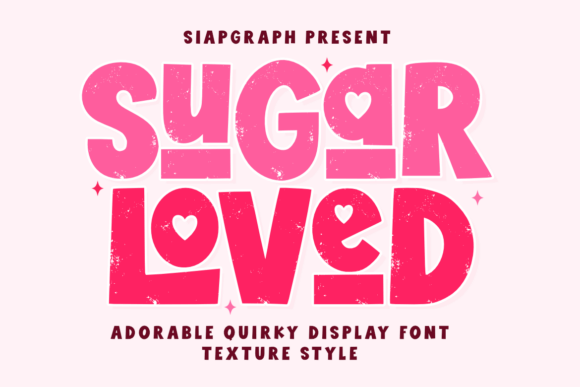
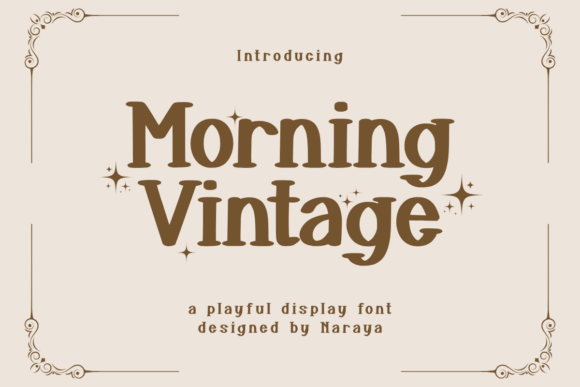
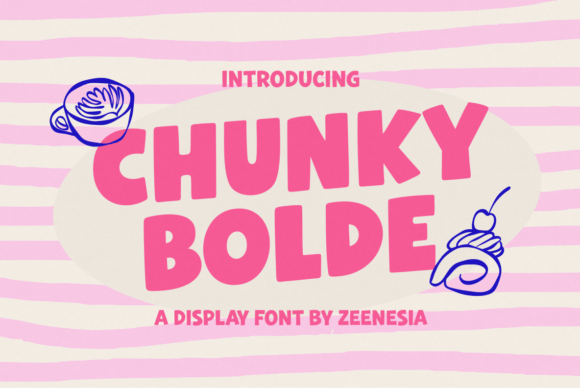
Chunky Bolde is classified as a heavy-weight display typeface that prioritizes visual impact over neutrality. Its primary defining feature is the thickness of its strokes, which creates a solid, grounded appearance on both digital and print media. The letterforms utilize thick curves and rounded corners rather than sharp terminals, which significantly alters the psychological reception of the text. While bold fonts can sometimes appear aggressive or authoritarian, the softness of the curves in Chunky Bolde introduces a friendly, accessible quality.
A notable technical detail is the slightly irregular baseline. This deliberate imperfection prevents the typeface from appearing too rigid or mechanical, infusing the design with a sense of movement and playfulness. This retro-modern aesthetic bridges the gap between mid-century signage and contemporary digital illustration. When evaluating this font, it is important to recognize that these stylistic choices are not merely decorative; they dictate the tone of the entire composition. The typeface does not attempt to be subtle, making it a high-commitment choice for headlines and focal points.
Strategic Applications and Ideal Use Cases
The effectiveness of Chunky Bolde is highly context-dependent. It excels in environments where immediate attention capture and emotional resonance are prioritized over information density. Designers should consider this typeface for projects that benefit from a high-energy, optimistic tone.
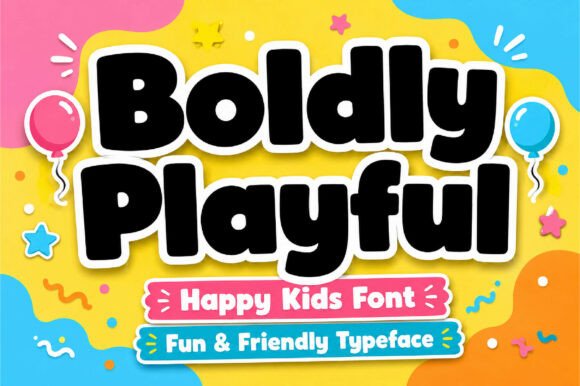
- Children’s Products and Education: The rounded, non-threatening forms make this font exceptionally suitable for toys, educational materials, and children's apparel. It communicates safety and fun without sacrificing legibility at large sizes.
- Food and Beverage Branding: For cafes, bakeries, and confectionery brands, the "sweetness" inherent in the letterforms pairs naturally with culinary marketing. It evokes sensory associations with soft textures and indulgent treats.
- Social Media Graphics: In the constrained environment of social feeds, thick letterforms maintain integrity even when scaled down for mobile screens. The high contrast and solid shapes help text overlay stand out against busy photographic backgrounds.
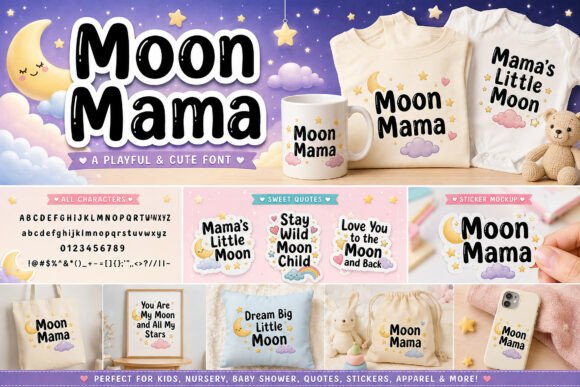
- Packaging and Merchandise: On physical products, the heavy weight ensures readability from a distance on store shelves. It is particularly effective for stickers, tote bags, and posters where the typography acts as the primary graphic element.
Benefits of Implementation
Choosing Chunky Bolde offers several tangible advantages for specific design challenges. Its most significant benefit is instant personality injection. Neutral typefaces often require extensive styling, color grading, or illustrative support to establish a mood, whereas this font carries intrinsic character. This can streamline the design process for campaigns requiring a quick, cohesive identity.
Furthermore, the typeface facilitates strong hierarchical structuring. Because of its extreme weight, it creates an unmistakable top tier in visual hierarchy, clearly signaling to the viewer what is most important. When paired with bright, candy-coated colors, the contrast ratios generally remain favorable for accessibility, provided the background color is chosen carefully. The retro-modern touch also allows brands to tap into current nostalgia trends without appearing dated, as the execution remains clean and vector-sharp.
Tradeoffs and Practical Considerations
Despite its strengths, Chunky Bolde presents specific limitations that must be weighed during the selection process. The primary tradeoff is versatility. This is strictly a display face; it is not engineered for body copy, captions, or interface text. Attempting to use it at small sizes will result in poor legibility due to the closing of counters (the enclosed spaces within letters) and the merging of thick strokes.
Space consumption is another logistical factor. The expanded width and heavy weight mean that Chunky Bolde occupies significant horizontal and vertical real estate. Designers working with fixed-dimension assets or long headlines may find themselves needing to edit copy aggressively to fit the layout. Additionally, the strong personality of the font can clash with other expressive elements. If a design already features complex illustrations or textured backgrounds, adding such a dominant typeface may create visual noise rather than harmony.
Licensing and technical compatibility should also be verified. As a specialized display font, ensuring the license covers all intended commercial uses—especially for merchandise or app embedding—is a necessary due diligence step. Designers must also confirm that the font file includes necessary OpenType features or alternative characters if custom ligatures are required for specific branding applications.
When to Consider Alternatives
While Chunky Bolde is a powerful tool, it is not the universal solution for every bold design need. Evaluating alternatives is prudent under certain conditions:
- Corporate or Serious Tone: If the project requires authority, trustworthiness, or institutional stability, the playful irregularity of Chunky Bolde may undermine the message. A geometric sans-serif or a sturdy slab serif would likely be more appropriate.
- Information-Dense Layouts: For annual reports, technical documentation, or editorial content where reading endurance is key, this typeface is unsuitable. Prioritize humanist or neo-grotesque typefaces optimized for extended reading.
- Luxury and Minimalism: High-end fashion or luxury real estate typically relies on whitespace and refined typographic details. The chunky, maximalist nature of this font contradicts the subtlety associated with premium positioning.
- Multi-Language Support: If the project requires extensive localization, verify character set coverage first. Many specialty display fonts have limited language support compared to comprehensive super-families.
Making the Final Selection Decision
The decision to utilize Chunky Bolde should ultimately stem from a clear alignment between the font’s attributes and the project’s communication goals. It is an excellent candidate when the objective is to evoke joy, confidence, and approachability through a retro-modern lens. It solves problems related to grabbing attention in saturated markets and establishing a friendly brand voice quickly.
However, successful implementation requires restraint. Treat this typeface as a spotlight actor rather than an ensemble member. Pair it with simple, legible sans-serifs for supporting text to allow its unique characteristics to shine without overwhelming the viewer. Test the font in the actual production environment—whether that is a mobile screen, a printed label, or a storefront sign—to ensure the thick curves and irregular baseline translate effectively at the intended scale. By approaching Chunky Bolde as a specialized strategic asset rather than a generic stylistic choice, designers can leverage its sweetness and confidence to create work that is both visually impactful and functionally sound.