Retro Children Books: Bringing Vintage Warmth to Modern Design Projects
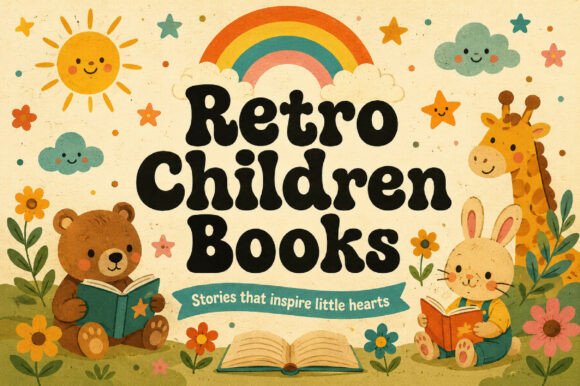
There is a specific texture to nostalgia that modern design often struggles to replicate. It isn't just about applying a sepia filter or adding grain; it is about capturing the genuine, hand-drawn imperfection of mid-century illustration. Retro Children Books serves as a direct conduit to that aesthetic. Derived from the endearing lettering found in classic storybooks from the 1950s through the 1970s, this vintage display font offers more than just a stylistic choice. It provides an emotional anchor for projects that need to feel safe, playful, and authentically cheerful.
Unlike sterile geometric sans-serifs or overly ornate scripts, Retro Children Books occupies a sweet spot of readability and character. Its rounded edges and chunky curves mimic the stroke of a marker or a paintbrush, creating an antiquated yet relaxed allure. For designers, educators, and parents looking to create materials that resonate on a visceral level, understanding how to leverage this typeface can transform a generic layout into something that feels like a cherished memory.
Revitalizing Self-Published Children’s Literature
The most immediate application for this typeface is within the independent publishing sphere. The market for children's books is saturated with digital perfection, making handmade aesthetics stand out on crowded shelves. When designing a book cover, Retro Children Books functions as a visual signal to parents and gift-givers that the content inside is gentle and timeless.
Consider the hierarchy of a picture book cover. The title needs to be legible at thumbnail size on Amazon but also inviting when held in small hands. The chunky letterforms of Retro Children Books maintain their integrity even when scaled down, avoiding the spindly weakness that plagues many vintage-inspired fonts. Pairing this display font with a clean, readable serif for the author’s name creates a balanced composition that honors tradition without sacrificing professional polish. It works exceptionally well for titles involving animals, nature, bedtime routines, or moral fables, reinforcing the narrative tone before the first page is turned.
Educational Materials That Feel Less Clinical
Teachers and homeschoolers often face the challenge of making learning materials engaging without relying on overstimulating cartoon graphics. Standard educational fonts can sometimes feel institutional or cold. Integrating Retro Children Books into classroom resources introduces a warmth that lowers anxiety and invites participation.
This font shines in specific educational contexts:
- Alphabet and Phonics Charts: The distinct, rounded shapes of the letters make them excellent for early literacy recognition. They look less like rigid symbols and more like friendly characters.
- Classroom Labels and Bins: Using this typeface for organizational signage makes the classroom environment feel curated and cozy rather than utilitarian.
- Certificates and Awards: A "Star Reader" certificate set in Retro Children Books carries more sentimental weight than one set in a standard system font, making the achievement feel special and celebratory.
- Worksheet Headers: Softening the appearance of math or spelling drills helps reduce test anxiety and frames the activity as a creative exploration rather than a chore.
For educators creating resources for sale on platforms like Teachers Pay Teachers, this font adds significant perceived value. Buyers are often looking for materials that have a boutique, artisanal quality, and this typography delivers that premium vintage feel instantly.
Branding for Artisanal and Family-Centric Businesses
Beyond books and classrooms, Retro Children Books has found a home in commercial branding for businesses that cater to families. In an era where consumers are increasingly skeptical of corporate sterility, brands selling toys, organic baby food, or family photography services benefit from the trust associated with vintage aesthetics.
A toy packaging designer might use this font to evoke the durability and simplicity of wooden blocks or tin robots. It signals to millennial and Gen Z parents that the product values open-ended play over flashing lights. Similarly, family photographers using this typeface in their logos or client galleries tap into a sense of heritage. It suggests that the photos will be timeless heirlooms rather than trendy disposable content.
However, successful branding requires restraint. Because Retro Children Books has such a strong personality, it should rarely be used for body copy or extensive informational text. It is strictly a display workhorse. Use it for the business name, taglines, or seasonal promotional headers, and pair it with a neutral sans-serif for pricing, ingredients lists, or contact details. This contrast ensures the brand remains accessible and functional while retaining its nostalgic charm.
Practical Considerations for Digital and Print Application
While the charm of Retro Children Books is undeniable, practical execution determines whether a project succeeds. The very features that make it delightful—rounded terminals and uneven baselines—can cause issues if not managed correctly.
Kerning and Spacing Adjustments
Vintage display fonts often come with loose default tracking to mimic hand-lettering. In large headlines, this airiness is beautiful. However, at smaller sizes or in all-caps settings, the gaps between letters can appear disjointed. Always manually adjust kerning for specific words. Tightening the spacing slightly can improve readability and create a more cohesive word shape, especially for logos where compactness is key.
Color Selection and Contrast
The chunky curves of this font absorb color beautifully. Muted primaries, mustard yellows, sage greens, and burnt oranges enhance the retro vibe. Conversely, high-contrast neon colors can clash with the font’s inherent softness, creating a jarring dissonance. When aiming for authenticity, reference color palettes from actual vintage publications. Additionally, ensure sufficient contrast against the background. The rounded edges can blur visually against busy textures or photographic backgrounds, so solid color blocks or subtle gradients often provide the best canvas.
Licensing and Commercial Viability
Before committing to Retro Children Books for a product line or business identity, verify the licensing terms. Many vintage-style fonts have different tiers for personal versus commercial use. If you are designing merchandise for sale, such as t-shirts, mugs, or stickers, ensure your license covers physical goods. Investing in the proper commercial license upfront protects your brand and supports the type designer who painstakingly digitized these historical forms.
Navigating Limitations and Accessibility
It is important to acknowledge where Retro Children Books does not fit. Its stylized nature means it lacks the neutrality required for serious topics, legal disclaimers, or dense paragraphs. Overusing it can dilute its impact and make a design feel cluttered or difficult to parse. Furthermore, accessibility must remain a priority. While the font is generally legible, its decorative elements can pose challenges for readers with dyslexia or visual impairments when used outside of headline contexts.
Always treat Retro Children Books as an accent rather than a foundation. Let it sing in the title, the logo, or the pull quote, but rely on accessible, standard typefaces for the heavy lifting of communication. By respecting its role as a display font, you preserve its magic. When applied with intention, Retro Children Books does more than decorate; it connects the viewer to a lineage of storytelling and joy, making contemporary creations feel as enduring as the classics that inspired them.