Shantika: Bringing Warmth and Rhythm to Handwritten Design
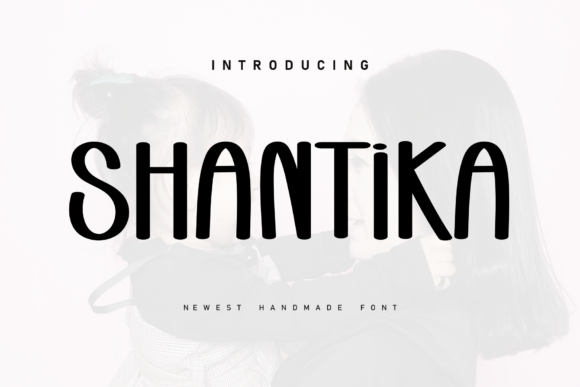
In the vast landscape of digital typography, finding a typeface that genuinely feels human can be a challenge. While many scripts attempt to mimic handwriting, they often fall into the trap of looking too perfect, too rigid, or overly ornate. Shantika emerges as a refreshing alternative in this space. It is a sweet and beautiful handwritten font featuring characters that dance along the baseline, adding a cozy accent to any design project you wish to create. Rather than demanding attention through aggressive styling, Shantika invites the viewer in with a sense of familiarity and warmth.
For designers, business owners, and content creators, understanding the nuance of this typeface is essential for using it effectively. It is not merely a decorative element; it is a tool for setting a specific emotional tone. This guide explores the practical applications, aesthetic characteristics, and strategic considerations for integrating Shantika into your visual communications.
The Anatomy of Cozy Typography
To understand why Shantika resonates with audiences, we must look beyond its general classification as a "handwritten font." Its value lies in its specific construction. The most defining characteristic is the dancing baseline. In traditional typography, letters sit on a strict, invisible horizontal line. In Shantika, individual glyphs shift slightly above or below this line. This subtle vertical variation mimics the natural cadence of rapid, enthusiastic penmanship.
This movement serves a psychological purpose. Static text can sometimes feel cold or corporate, even when the message is friendly. By introducing organic irregularity, Shantika signals authenticity. It suggests that a real person took the time to write the message, rather than a machine generating it. However, unlike chaotic grunge fonts, Shantika maintains a high level of legibility. The letterforms are open, rounded, and distinct, ensuring that the "sweet" aesthetic does not compromise readability.
Balancing Personality and Professionalism
A common concern among professionals is whether a playful font undermines credibility. With Shantika, the answer depends entirely on context. It is not suitable for legal contracts or financial data tables. However, for brands built on personal connection, hospitality, or creativity, this typeface enhances professionalism by aligning the visual identity with the brand's core values. If your business promises a personal touch, using a sterile sans-serif font creates a disconnect. Shantika bridges that gap, providing a polished yet intimate visual voice.
Practical Applications Across Industries
Versatility is one of Shantika’s strongest assets. Because it balances whimsy with clarity, it fits into numerous commercial and personal contexts. Below are several scenarios where this typeface excels.
Branding and Packaging for Artisan Goods
For small businesses selling handmade products, coffee, baked goods, or organic skincare, packaging is the first point of physical contact with the customer. Shantika works exceptionally well on labels, tags, and boxes. Its handwritten nature reinforces the "handmade" quality of the product itself. When used on a coffee bag or a candle label, it transforms a commodity into an experience. The dancing baseline adds a dynamic energy that stands out on crowded shelves without appearing aggressive.
Social Media and Digital Content
In the realm of social media, stopping the scroll is paramount. Shantika is highly effective for Instagram stories, Pinterest pins, and YouTube thumbnails. Digital platforms are saturated with standard system fonts; seeing a textured, rhythmic script catches the eye. It is particularly useful for:
- Quote Graphics: Inspirational or educational quotes feel more sincere when set in Shantika.
- Announcements: New product launches or event dates appear more celebratory.
- Highlights and Covers: Creating cohesive story highlight covers that feel approachable.
Stationery and Event Collateral
Weddings, baby showers, and intimate corporate retreats benefit from Shantika’s romantic yet grounded aesthetic. It avoids the stuffiness of traditional calligraphy while remaining elegant enough for formal invitations. It pairs beautifully with minimalist layouts, allowing the text to serve as the primary decorative element. For event organizers, using this font across menus, place cards, and welcome signs creates a unified, immersive atmosphere that feels curated and cozy.
Evaluating Suitability: When to Use Shantika
While Shantika is versatile, it is not a universal solution. Making informed typographic choices requires evaluating the specific needs of your project against the font’s characteristics. Consider the following factors before implementation.
Audience Expectations
Who are you speaking to? If your audience expects luxury, exclusivity, or high-tech precision, Shantika may send the wrong signal. It communicates accessibility, nostalgia, comfort, and friendliness. It is ideal for B2C brands targeting millennials and Gen Z who value authenticity, or for local businesses wanting to emphasize community ties. Conversely, it is less appropriate for cybersecurity firms, luxury watchmakers, or medical journals.
Readability at Scale
Because Shantika features a dancing baseline and organic shapes, it requires careful sizing. At very small sizes (below 14pt for print or 16px for web), the unique character details may blur, reducing legibility. It is best utilized for headlines, subheads, pull quotes, and short captions. Avoid using it for long-form body copy. For paragraphs, pair Shantika with a clean, neutral sans-serif or serif font. This contrast not only aids readability but also makes the handwritten elements pop more effectively.
Color and Background Interaction
The weight of Shantika is generally moderate. On dark backgrounds, ensure there is sufficient contrast. White or cream text on a deep green, navy, or charcoal background allows the delicate strokes to shine. On light backgrounds, darker ink colors maintain the cozy vibe better than stark black, which can sometimes look too harsh against the soft letterforms. Experiment with muted tones like terracotta, sage, or warm brown to maximize the font’s inherent warmth.
Technical Considerations and Best Practices
To get the most out of Shantika, users should adhere to certain typographic best practices. These guidelines ensure the final output looks professional and intentional.
- Avoid All Caps: Handwritten fonts like Shantika are designed with mixed-case rhythm in mind. Setting the entire word in uppercase destroys the dancing baseline effect and significantly reduces readability. Reserve all-caps usage for very short acronyms only, if absolutely necessary.
- Mind the Kerning: While the font includes built-in spacing adjustments, you may need to manually tweak kerning for specific headline words. The dancing nature means some letter combinations might create awkward gaps or overlaps. A slight adjustment ensures the word shape feels balanced.
- Limit Hierarchy Levels: Do not use Shantika for every heading on a page. Use it for the primary emotional hook (H1 or featured quote) and switch to a structural font for secondary information. Overusing a display font dilutes its impact.
- Test Across Devices: If using Shantika on a website via @font-face or a web font service, always test rendering on mobile devices. Screen resolution varies, and what looks crisp on a desktop monitor may appear jagged on a phone. Ensure fallback fonts are specified in your CSS stack to maintain layout integrity if the custom font fails to load.
The Emotional Return on Investment
Typography is often discussed in terms of aesthetics, but it is ultimately a business asset. The choice of typeface influences how quickly a user trusts a brand and how they feel about the interaction. Shantika offers a specific emotional return on investment: comfort.
In an increasingly digital and automated world, consumers crave human connection. A font that visually represents the imperfections and rhythms of human handiwork satisfies this craving. It slows the viewer down, encouraging them to linger rather than scan. For creators and business owners, this translates to higher engagement rates, stronger brand recall, and a more loyal community.
When selecting Shantika, you are not just choosing a style of lettering; you are choosing a tone of voice. You are deciding to speak to your audience as a friend rather than a corporation. Whether applied to a wedding invitation, a boutique soap label, or a lifestyle blog header, the result is a design that feels lived-in and welcoming. By understanding its strengths and respecting its limitations, you can leverage Shantika to create designs that are not only visually sweet but strategically sound.
Ultimately, the success of any design project hinges on the alignment between form and function. Shantika provides the form—a beautiful, dancing, cozy script. It is up to the designer to provide the function, placing it where it can best serve the message and the audience. When that alignment occurs, typography ceases to be mere decoration and becomes a powerful vehicle for communication.