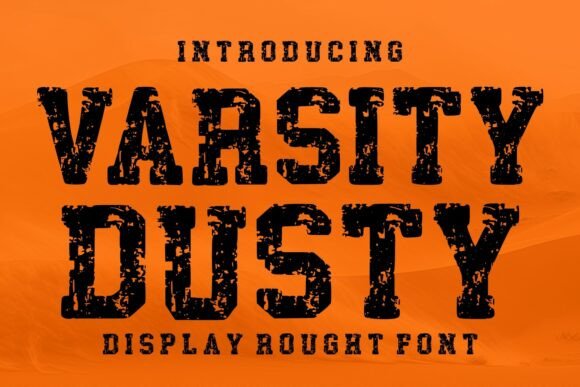
Varsity Dusty: Bringing Grit and Authenticity to Retro Sports Typography
There is a distinct visual language associated with American athletics, one rooted in heavy wool uniforms, painted leather helmets, and hand-lettered gymnasium banners. When designers attempt to capture this nostalgia, they often reach for clean, geometric block letters. While effective, these pristine vectors sometimes lack the soul of the era they aim to emulate. This is where Varsity Dusty distinguishes itself from standard collegiate typefaces. It is not merely a font; it is a texture-rich design asset that bridges the gap between modern vector precision and authentic vintage wear.
Varsity Dusty is a bold and rugged display font featuring a distressed texture that gives it a raw and worn look. Unlike digital fonts that simulate age through post-production overlays, this typeface has the grunge baked directly into the letterforms. The result is a powerful and vintage aesthetic that feels lived-in rather than manufactured. For designers working on sports branding, apparel, or poster art, understanding the specific utility of this textured style is essential for creating work that resonates emotionally with audiences who value heritage and toughness.
The Anatomy of Rugged Block Letterforms
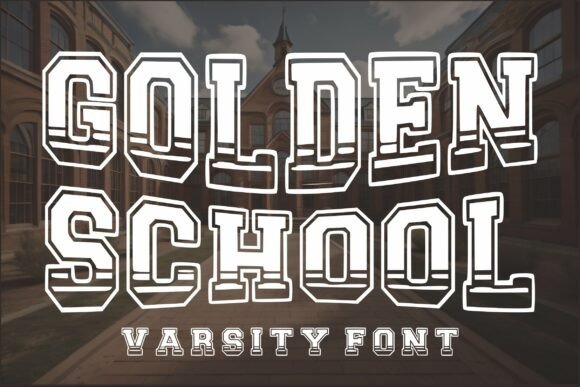
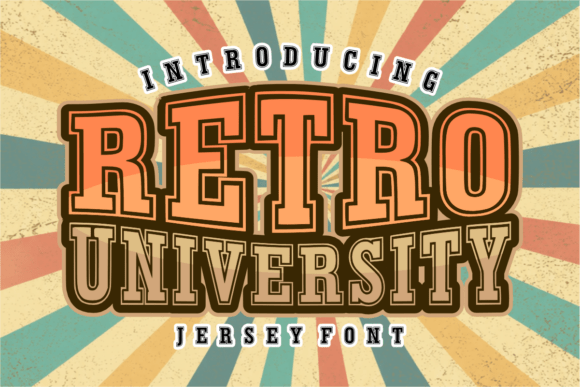
To appreciate why Varsity Dusty works so well in high-impact designs, one must understand its construction. The foundation of the font lies in classic varsity typography. These are strong, slab-serif or sans-serif block shapes characterized by uniform stroke widths and squared-off terminals. Historically, these shapes were designed for maximum legibility from the stands and ease of production via tackle twill appliqué or screen printing.
However, Varsity Dusty takes this traditional skeleton and applies a sophisticated layer of erosion. The distressed texture is not uniform noise; it mimics the specific ways physical materials degrade over decades. You will notice chipped edges that resemble cracked paint on wooden signage and internal roughness that echoes the fraying of heavyweight cotton. This attention to detail ensures that when the font is scaled up for a billboard or jersey back, the imperfections read as intentional design choices rather than low-resolution artifacts.
The weight distribution remains consistent despite the distressing. This is a critical technical consideration. Many grunge fonts sacrifice readability for style, breaking apart letters to the point of illegibility. Varsity Dusty maintains its structural integrity, ensuring that the "dusty" effect adds character without compromising the communication of team names, scores, or headlines.
Applications in Modern Sports Branding
The primary use case for this typeface is undoubtedly athletic identity, but its application extends beyond simple team logos. In an era where sports marketing often leans toward sleek, futuristic minimalism, there is a growing counter-movement embracing "blue-collar" aesthetics. Varsity Dusty serves as the typographic anchor for this trend.
- Team Logos and Wordmarks: Perfect for minor league baseball, college football, and rugby teams seeking to establish immediate historical credibility. The font suggests a legacy even if the team was founded yesterday.
- Merchandise and Apparel: T-shirts and hoodies printed with Varsity Dusty have a built-in vintage feel. The texture interacts beautifully with garment dyeing and discharge printing techniques, making new merchandise look like thrift store finds.
- Event Posters and Signage: For boxing matches, wrestling events, or monster truck rallies, the aggressive energy of the font matches the intensity of the sport. It commands attention without needing excessive color gradients or drop shadows.
- Craft Beverage Packaging: Interestingly, the crossover appeal of varsity typography has made Varsity Dusty popular in craft beer and whiskey labeling. It evokes masculinity, tradition, and Americana, aligning perfectly with brands that want to emphasize artisanal production methods.
Integrating Textured Fonts into Digital Workflows
Working with distressed display fonts requires a different approach than using clean system typefaces. Because Varsity Dusty relies on intricate edge details, file management and output settings become paramount. Designers must treat this font as a graphic element as much as a typographic tool.
When designing for print, resolution is non-negotiable. The subtle cracks and grain in Varsity Dusty can be lost if the output resolution is too low. For large-format printing like banners or vehicle wraps, ensure you are working at a minimum of 150 DPI at full size, though 300 DPI is safer to preserve the crispness of the distressed edges. If you are using the font in a vector format (OTF/TTF), the edges will remain sharp at any scale, which is ideal for professional production environments.
For web and digital projects, caution is required. Complex textures increase file sizes significantly and can cause rendering issues on lower-end screens. If using Varsity Dusty for a website headline, consider converting the text to an SVG or PNG image rather than relying on webfont loading. Alternatively, use the font sparingly for hero images while pairing it with a clean, highly readable sans-serif for body copy. This contrast not only solves technical performance issues but also enhances the visual hierarchy, allowing the rugged display font to truly shine as a focal point.
Pairing Strategies and Visual Hierarchy
A common mistake when using such a dominant typeface is trying to compete with it. Varsity Dusty is loud. It demands space and attention. Therefore, successful layout design involves knowing what not to do. Avoid pairing it with other decorative, script, or heavily textured fonts. The visual noise will become overwhelming and confusing.
Instead, opt for utilitarian companions. A condensed grotesque sans-serif works exceptionally well for subheads and statistics, echoing the functional typography found on scoreboards and roster lists. Serif typefaces with high x-heights can also provide a nice academic contrast, leaning into the "collegiate" inspiration without mimicking the distress. White space is equally important; let the rough edges of the letters breathe against solid backgrounds. The texture of Varsity Dusty acts as a pattern in itself, so busy photographic backgrounds should be treated carefully, perhaps with dark overlays to ensure the letterforms remain legible.
Why Authenticity Matters in Retro Design
We live in an age of AI-generated imagery and instant filters. Audiences are becoming increasingly adept at spotting artificiality. When a design claims to be vintage but uses a perfectly smooth vector font with a generic noise filter slapped on top, it creates cognitive dissonance. The viewer senses the fabrication.
Varsity Dusty succeeds because its imperfections are structural. The wear patterns follow the logic of physical stress points—corners are more damaged than straightaways, and ink buildup areas show different degradation than thin strokes. This level of specificity communicates quality and intentionality. For brands and designers, this translates to trust. Whether you are designing a logo for a heritage restoration project or a new streetwear line inspired by 90s gym culture, the typographic choice signals that you understand the source material.
Furthermore, the emotional resonance of this aesthetic cannot be overstated. Sports and collegiate imagery are deeply tied to personal identity and memory. The rough, tactile nature of Varsity Dusty triggers associations with tangible experiences: the smell of old leather, the sound of cleats on concrete, the faded glory of championship banners. By utilizing a font that embodies these sensory memories, designers can create visuals that feel less like advertisements and more like artifacts. This shift from commercial messaging to cultural artifact is what separates good design from memorable branding.
Practical Considerations Before Licensing
Before incorporating Varsity Dusty into your next project, evaluate the specific needs of your deliverable. Ask yourself if the level of distress matches the medium. For a small business card, the fine details might fill in during printing; in this case, a lighter weight or a cleaner version might be preferable. Conversely, for a massive stadium wrap, the bold, rugged nature is exactly what is needed to prevent the design from looking sterile from a distance.
Also, consider the brand voice. This font is inherently masculine, energetic, and informal. It is rarely the right choice for luxury spa branding, tech startups focusing on innovation, or formal financial institutions. However, for anything involving competition, history, craftsmanship, or outdoor activity, it is an unparalleled tool. Understanding these boundaries ensures that Varsity Dusty is used to amplify a message rather than distract from it.
Ultimately, typography is about problem-solving. The problem Varsity Dusty solves is the sterility of digital perfection. It provides a shortcut to authenticity that would otherwise require hours of manual texturing and aging. By leveraging its bold, rugged characteristics thoughtfully, designers can create impactful and eye-catching visuals with a retro sports feel that honors the past while functioning flawlessly in the present.