Stripes Lines: Elevating Digital Design with Futuristic Typography
In the crowded landscape of digital design, typography often serves as the first point of contact between a brand and its audience. While clean sans-serifs and classic serifs have their place in body copy and corporate communications, there are moments when a project demands something that breaks the mold entirely. Stripes Lines is a bold, futuristic display font designed specifically for these high-impact moments. Defined by unique horizontal stripe cuts, this typeface creates a modern, tech-inspired aesthetic that immediately signals innovation and energy. It is not a font for reading long paragraphs; rather, it is a specialized tool for creators who need to grab attention in headlines, branding materials, and digital interfaces where visual distinctiveness is paramount.
The Aesthetic Advantage in Tech and Gaming
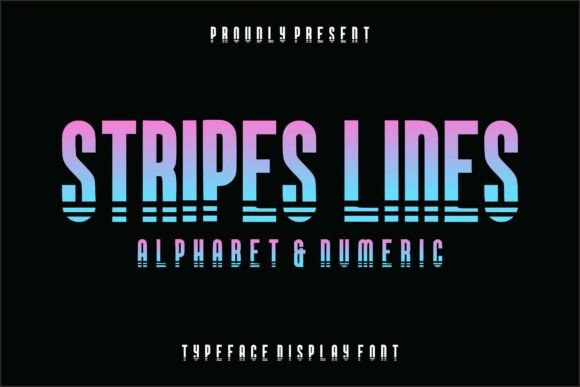
The primary strength of Stripes Lines lies in its ability to convey a specific mood without relying on additional graphical elements. The horizontal cuts within the letterforms mimic the look of digital glitches, speed lines, or retro-futuristic displays. For game developers and streamers, this is incredibly practical. When designing a thumbnail for a Twitch stream or a title card for an indie cyberpunk game, using a standard font often requires layering textures or effects to achieve a "tech" feel. Stripes Lines has this texture baked directly into the glyph structure.
Consider a scenario where a content creator is launching a new sci-fi podcast. The cover art needs to stand out in a small square format on Spotify or Apple Podcasts. By utilizing Stripes Lines for the show title, the designer instantly communicates the genre. The font’s geometric structure remains legible even at smaller sizes, while the striped detailing adds a layer of complexity that suggests high production value. This reduces the time spent on post-processing text effects, allowing creators to focus more on content and less on fighting with layer styles in Photoshop or Illustrator.
Branding and Commercial Identity
For entrepreneurs and small business owners in niche markets, standing out is a survival mechanism. Stripes Lines offers a distinctive edge for brands operating in technology, automotive, fitness, or nightlife sectors. A gym focusing on high-intensity interval training or an e-commerce store selling custom PC builds can leverage this typeface to reinforce their brand identity. The font implies motion and precision, qualities that resonate deeply with these demographics.
However, commercial use requires strategic restraint. Because Stripes Lines is so visually active, it works best as a headline or logo treatment rather than a universal brand font. A marketing agency might pair it with a neutral grotesque typeface for body copy to create a balanced hierarchy. The contrast between the intricate, striped display font and the simple supporting text guides the viewer’s eye exactly where it needs to go. This practical application of typographic contrast ensures that the boldness of Stripes Lines enhances readability rather than hindering it. When used correctly on landing pages or social media ads, it acts as a visual hook that stops the scroll.
Maximizing Impact with Color and Gradients
One of the most versatile features of Stripes Lines is its gradient-friendly architecture. The horizontal breaks in the letters provide natural transition points for color shifts, making it ideal for neon and synthwave aesthetics. Designers working on music festival posters or event flyers can apply linear gradients that flow seamlessly across the text without looking muddy. The negative space created by the stripe cuts allows background colors to interact with the type, creating a sense of depth and luminosity that solid fonts cannot achieve.
This quality is particularly useful for video editors and motion graphics artists. When animating text for a YouTube intro or a promotional reel, the internal lines of the font offer built-in opportunities for masking and reveal effects. Instead of a simple fade-in, the stripes can be animated individually or used as a wipe transition. This turns static typography into a dynamic visual element that contributes to the overall pacing of the video content. For creators who may not have advanced animation skills, choosing a font with inherent structural interest like Stripes Lines can elevate the perceived quality of their motion work significantly.
Educational and Presentation Applications
Beyond commercial and entertainment design, Stripes Lines has practical applications in educational and professional settings, provided they are context-appropriate. Educators teaching STEM subjects, coding bootcamps, or digital arts can use this typeface to make presentation slides feel more relevant to the subject matter. A slide deck about computer history or cybersecurity benefits from typography that visually echoes the topic. It helps bridge the gap between dry information and engaging visual storytelling, keeping students and trainees visually stimulated.
Similarly, freelancers pitching to tech-forward clients can use Stripes Lines sparingly in proposal decks to signal that they understand the client's industry culture. It shows an awareness of current design trends without sacrificing professionalism. The key here is intentionality; using it for section headers or data callouts can add flavor, while using it for bullet points would be counterproductive. Understanding this distinction is what separates effective design from mere decoration.
Practical Considerations Before Implementation
Before downloading or purchasing Stripes Lines, users must evaluate whether it aligns with their specific technical and creative needs. First, check the character set. Stripps Lines includes uppercase alphabet characters and numeric glyphs, which covers most headline requirements but may limit its utility for projects requiring lowercase differentiation or extensive punctuation. If your design relies heavily on mixed-case sentence structures, you will need to plan your layout accordingly or find a complementary secondary font for those specific elements.
Licensing is another critical factor. Creators must distinguish between personal use and commercial licensing. A hobbyist making a fan poster for a favorite movie may only need a free personal license, but a small business owner printing merchandise or running paid ads requires proper commercial rights. Always verify the license terms before publishing work publicly to avoid legal complications. Additionally, consider the rendering environment. While the font looks crisp in vector software, test how it renders on web platforms or mobile screens if your end product is digital. Complex display fonts can sometimes lose detail at very low resolutions, so having a fallback web-safe font is a necessary precaution for UI designers.
Integrating Stripes Lines into Your Workflow
Ultimately, Stripes Lines is a specialized asset that solves specific design problems. It excels in environments where communication needs to be fast, loud, and stylistically cohesive with futuristic themes. Whether you are a musician designing album art, a marketer crafting a campaign for a new app, or a teacher building an engaging curriculum, this font offers a shortcut to a polished, tech-savvy aesthetic. Success with this typeface comes from understanding its role as a supporting actor that steals the scene, not the lead that carries the entire narrative.
By focusing on real-world outcomes—faster design workflows, stronger brand recognition, and more engaging visual content—users can move beyond simply liking how a font looks to understanding how it functions. Stripes Lines provides the stylistic edge needed in competitive creative spaces, but its true value is unlocked only when applied with purpose and paired with thoughtful design decisions. When treated as a strategic tool rather than just a decorative choice, it becomes an indispensable part of a modern creator's typographic toolkit.