Retro Parallel: Integrating 70s Geometric Display Typography into Modern Visual Identity
The Anatomy of Double-Line Geometric Design
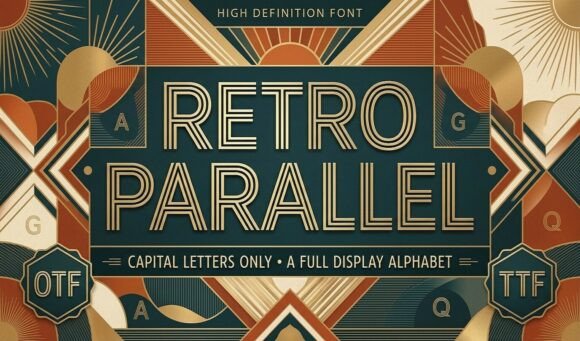
Typography serves as the visual voice of any design project, and few styles communicate a specific era with as much precision as the double-line aesthetic. Retro Parallel distinguishes itself within this niche through a rigorous adherence to geometric construction. Unlike hand-drawn vintage scripts that rely on organic imperfection, this typeface is built on a grid. The defining characteristic is the consistent stroke width and the precise negative space between the parallel lines. This linear style creates an optical vibration that mimics the glow of neon tubing or the stitched detailing found on vintage varsity jackets.
For designers and business owners evaluating this font, understanding its structural integrity is paramount. The geometry is not merely decorative; it is functional. The open counters and distinct separation of lines ensure that the letterforms remain legible even when scaled down for merchandise tags or scaled up for large-format environmental graphics. This balance between ornamental nostalgia and technical clarity is what allows Retro Parallel to transcend simple pastiche, offering a usable tool for contemporary branding rather than just a historical reference.
Optimizing Legibility in Linear Typefaces
When working with inline or double-stroke fonts, readability can often become compromised at smaller sizes. The success of Retro Parallel lies in its generous x-height and simplified character shapes. Designers should note that while the font is bold, the internal whitespace is equally important. When implementing this typeface in digital environments, it is advisable to test rendering across different screen densities. The parallel lines can sometimes merge on low-resolution displays, so maintaining adequate size thresholds is essential for preserving the intended vintage sports apparel aesthetic without sacrificing user experience.
Strategic Applications Across Branding and Merchandise
The versatility of a display font is measured by its ability to adapt to various mediums while retaining its core identity. Retro Parallel was engineered with specific use cases in mind, bridging the gap between 70s disco aesthetics and modern commercial needs. Its application extends far beyond novelty headers, serving as a foundational element in comprehensive visual systems.
- Monogram and Logo Development: The geometric nature of the letterforms makes them ideal for interlocking monograms. Because the strokes are uniform, designers can easily modify kerning or create custom ligatures without disrupting the visual rhythm. This is particularly valuable for boutique brands, law firms seeking a heritage look, or creative agencies wanting to signal established expertise.
- Apparel and Textile Design: Drawing direct inspiration from vintage sports apparel, this typeface translates exceptionally well to embroidery and screen printing. The defined lines provide clear paths for digitizing software, reducing thread breaks and ensuring crisp edges on t-shirts, caps, and tote bags. For business owners in the merchandising space, this reduces production errors and enhances perceived quality.
- Event Collateral and Signage: For music festivals, retro-themed parties, or product launches, the font evokes immediate atmospheric context. It works effectively on posters, tickets, and wayfinding signage where high impact is required from a distance. The neon-sign inspiration ensures visibility against dark backgrounds, making it a practical choice for nightlife and entertainment venues.
- Technical and Futuristic Graphics: Interestingly, the same geometry that reads as "retro" also reads as "technical." In data visualization, sci-fi UI design, or tech startup branding, the clean lines suggest precision and engineering. This duality allows creators to use a single asset for projects ranging from synth-wave album art to architectural firm portfolios.
Pairing Strategies for Balanced Layouts
A bold display font like Retro Parallel demands careful typographic hierarchy. To prevent visual fatigue, it must be paired with supporting typefaces that provide contrast and breathing room. The most effective pairings typically involve neutral sans-serifs or highly readable serifs that do not compete for attention. For example, combining Retro Parallel with a grotesque typeface like Helvetica or Inter grounds the design in modernity, allowing the vintage elements to act as accents rather than overwhelming the entire composition. Educators and researchers presenting historical data might pair it with a classic serif to lend academic weight to the nostalgic visuals, ensuring the content remains authoritative.
Navigating Licensing and Technical Implementation
For professionals and hobbyists alike, the practical aspects of font acquisition and deployment are just as critical as the aesthetic considerations. Understanding the licensing landscape ensures that projects remain compliant and commercially viable. Retro Parallel, like many specialized display fonts, may have different license tiers for personal versus commercial use. Business owners must verify that their license covers intended applications, such as trademarked logos, embedded web fonts, or physical product sales. Assuming a desktop license covers all commercial outputs is a common pitfall that can lead to legal complications down the line.
From a technical workflow perspective, file format selection matters. For print and merchandise, OpenType (OTF) files generally offer superior hinting and glyph access. Web implementations require WOFF2 formats to minimize load times, especially given the complex path data inherent in double-line designs. Designers should also explore the font’s glyph set for alternate characters or stylistic sets that may enhance customization options. Accessing these features through professional design software allows for unique adaptations that keep the brand identity distinct, even if others are using the same base typeface.
Color Theory and Vintage Authenticity
The impact of Retro Parallel is heavily influenced by color selection. While the form provides the structure, color provides the era-specific context. To achieve an authentic 70s disco or vintage sport look, designers should reference period-accurate palettes. Warm ambers, burnt oranges, mustard yellows, and teals interact beautifully with the double-line structure, enhancing the illusion of illuminated signage. Conversely, using high-contrast black and white pushes the aesthetic toward mid-century modernism or brutalist graphic design. Creators should avoid overly saturated RGB neons unless specifically aiming for a cyberpunk or futuristic interpretation, as these can clash with the analog warmth that the font’s geometry implies.
Cultural Resonance and Audience Perception
Typography carries cultural baggage, and leveraging Retro Parallel requires an understanding of the semiotics associated with its style. The 70s revival trend is not merely about aesthetics; it is often tied to feelings of optimism, community, and tangible craftsmanship in an increasingly digital world. When consumers encounter this typeface, they are subconsciously accessing these associations. For marketers and brand strategists, this means the font acts as a shorthand for values like authenticity, durability, and fun.
However, audience perception varies by demographic. Older generations may view the style through a lens of genuine nostalgia, recalling actual signage and apparel from their youth. Younger audiences, particularly Gen Z and Millennials, interpret the same visuals through the filter of internet culture, thrift fashion, and curated vintage aesthetics. This cross-generational appeal is a significant advantage for brands targeting broad markets. The key is to avoid irony. The most successful implementations treat the source material with respect rather than parody. By focusing on the quality of the geometric construction and the intentionality of the layout, designers can create work that feels timeless rather than costumey.
Adapting Vintage Styles for Digital Accessibility
While Retro Parallel is visually striking, accessibility must remain a priority in any professional application. Display fonts with intricate details can pose challenges for users with visual impairments or dyslexia. Best practices dictate that this typeface should be reserved for headings, logos, and short bursts of text. Body copy, navigation menus, and critical informational text should always utilize accessible, standard typefaces. Furthermore, when using Retro Parallel in video content or motion graphics, ensure sufficient contrast ratios and avoid rapid flashing effects that might mimic the strobe lights of the disco era but violate safety guidelines for photosensitive viewers. Responsible design honors the aesthetic without excluding the audience.
Fabrication Considerations for Physical Media
The transition from screen to physical object introduces variables that pure digital design does not face. Because Retro Parallel relies on fine parallel lines, fabrication method dictates minimum size constraints. In laser cutting or CNC routing, the bridge between the two lines must be wide enough to prevent material failure. For vinyl cutting, the inner negative spaces need to be weeded cleanly, which may require simplifying certain glyphs at small scales. Screen printers must consider mesh count; too coarse a mesh will fill in the delicate interior lines, turning the double-stroke effect into a solid blob.
Professionals in manufacturing and print production should request vector proofs before finalizing artwork. Testing on actual substrate materials is non-negotiable. A design that looks perfect on a backlit monitor may fail on uncoated cardboard or textured fabric. Understanding these material limitations early in the design process prevents costly reprints and ensures that the bold, vintage touch translates faithfully from concept to finished product. This technical diligence is what separates amateur nostalgia from professional-grade retro design.