Outline Groovy: Integrating Retro Typography into Modern Creative Workflows
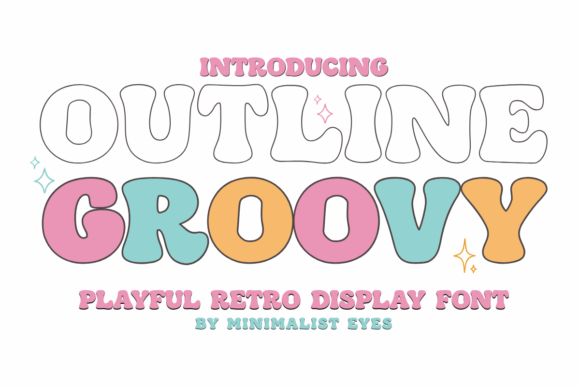
In the current landscape of digital design and physical crafting, typography often serves as the primary vehicle for brand identity and emotional connection. Outline Groovy is a display font specifically engineered to bridge the gap between nostalgic 70s aesthetics and modern production requirements. Unlike standard vintage typefaces that may suffer from poor digitization or complex rendering issues, this font family offers a clean, bubbly outline structure optimized for contemporary output devices. For professionals and hobbyists alike, understanding how to integrate Outline Groovy into a broader design workflow ensures that the retro aesthetic enhances rather than complicates the production process.
The utility of Outline Groovy extends beyond its visual appeal; it functions as a strategic asset in project planning, execution, and final delivery. Whether you are managing a small business selling vinyl decals, creating educational materials with a playful tone, or developing social media assets for a summer campaign, this typeface provides a consistent stylistic anchor. Its bold geometry allows for high visibility at various scales, making it a practical choice for designers who need versatility across both digital screens and physical substrates.
Pre-Production Planning and Asset Compatibility
Successful integration of any display font begins before the design software is opened. When incorporating Outline Groovy into your resource library, consider the technical specifications of your intended output. Because this font features an outlined, bubbly construction, it behaves differently during the pre-production phase compared to solid serif or sans-serif typefaces. Designers must verify file format compatibility early in the planning stage to avoid workflow bottlenecks later.
For users operating within the Cricut Design Space or Silhouette Studio ecosystems, ensuring you have the correct SVG or OTF files is critical. Outline Groovy is designed with clean vector paths, which significantly reduces the node count compared to auto-traced vintage fonts. This optimization matters because cutting machines interpret fewer nodes more accurately, resulting in smoother blade movement and less wear on equipment. During the planning phase, test the font at your smallest intended size. While the bold lines are forgiving, intricate internal counters in bubble letters can sometimes close up if scaled below a certain threshold on adhesive vinyl or cardstock.
Organization is another key factor in efficient implementation. Create a dedicated folder structure for retro assets that includes licensing documentation, style guides, and paired color palettes. Since Outline Groovy evokes a specific era, having pre-selected complementary colors (such as mustard yellows, burnt oranges, and teals) ready in your asset library streamlines the decision-making process. This preparation prevents the common issue of spending excessive time searching for matching elements after the typography has already been set.
Execution Strategies for Digital and Physical Media
The application of Outline Groovy diverges based on whether the end product is digital or physical. Understanding these distinctions allows creators to adapt their techniques for optimal quality control and efficiency.
Digital Design and Social Media Graphics
In digital workflows, Outline Groovy excels as a headline or accent element. When designing for platforms like Instagram, Pinterest, or Etsy listings, legibility on mobile devices is paramount. The open counters and bold stroke width of this font maintain clarity even when compressed by social media algorithms. A practical implementation tip is to use Outline Groovy strictly for short phrases, titles, or keywords. Pairing it with a highly readable sans-serif body font creates a necessary visual hierarchy that guides the viewer’s eye without overwhelming the interface.
For marketers and content creators, consistency builds recognition. Establish a template system where Outline Groovy is locked into specific text styles and positions. This reduces the cognitive load during batch content creation and ensures that every post aligns with your brand’s retro-modern identity. When exporting web graphics, always convert text to outlines or embed the font properly to prevent substitution errors across different browsers and devices.
Physical Crafting and Vinyl Production
For DIY crafters and small business owners producing physical goods, Outline Groovy offers distinct advantages during the cutting and weeding process. The continuous, flowing lines typical of this 70s-inspired style minimize sharp internal corners, which are common failure points in vinyl projects. However, the hollow nature of the letterforms requires specific handling.
- Weeding Efficiency: The interior spaces of bubble letters must be removed. Use a precision weeding tool and work from the center outward to prevent stretching the delicate outer bridges of the letters.
- Transfer Tape Selection: Because outlined fonts have less surface area for adhesion than solid block letters, opt for a medium-to-high tack transfer tape. This ensures the inner and outer paths lift simultaneously from the backing paper.
- Material Pairing: Outline Groovy performs exceptionally well on glitter vinyl and holographic materials. The negative space within the letters allows the substrate texture to show through, adding depth without requiring additional layers.
- Layering Techniques: For t-shirt designs, consider using the outline as a top layer over a solid contrasting base. This creates a shadow or border effect that enhances readability on dark fabrics while maintaining the playful vintage vibe.
Workflow Integration and Quality Control
Integrating Outline Groovy smoothly into your routine requires attention to quality control measures that address the unique characteristics of retro display typography. One frequent challenge in retro design is balancing nostalgia with modern professionalism. To avoid designs looking dated or amateurish, apply strict alignment and spacing rules. Bubble fonts can appear uneven due to their organic shapes; utilizing optical kerning rather than metric kerning often yields better visual balance. Manually adjusting the tracking to ensure consistent negative space between letters prevents the "floating" effect that can detract from a polished look.
For entrepreneurs selling finished products, mockup presentation is part of the quality assurance process. Outline Groovy should be showcased in context rather than in isolation. Create mockups that reflect the 70s inspiration but utilize modern photography styles and lighting. This demonstrates to customers that the font is versatile and current. When listing products on e-commerce platforms, explicitly mention the font’s compatibility with cutting machines and its suitability for specific applications like stickers or party decor. This transparency helps buyers understand the practical value of the asset and reduces pre-sale inquiries.
Efficiency also comes from knowing the limitations of the typeface. Outline Groovy is not suitable for long-form body copy, legal disclaimers, or fine print. Attempting to force a display font into these roles disrupts the user experience and compromises readability. Instead, reserve it for high-impact moments where emotional resonance is the goal. By defining clear usage parameters within your brand guidelines, you protect the integrity of the design system and speed up future creative decisions.
Long-Term Value and Versatile Application
The decision to incorporate Outline Groovy into your creative toolkit should be viewed through the lens of long-term utility. Trends cycle rapidly, but well-executed retro typography maintains relevance when treated as a stylistic tool rather than a gimmick. This font supports a wide range of seasonal and evergreen projects, from summer festival signage to vintage-style branding for bakeries, record stores, and lifestyle bloggers.
Educators and community organizers can leverage the playful energy of Outline Groovy to make informational materials more approachable. In learning environments, typography influences engagement; a friendly, rounded typeface can reduce anxiety and signal a welcoming atmosphere. When used in worksheets, certificates, or event flyers, it communicates fun without sacrificing structure. This dual capability makes it a valuable asset for users who need to balance authority with accessibility.
Ultimately, Outline Groovy serves as a catalyst for creativity within established workflows. It removes the friction often associated with sourcing reliable vintage aesthetics, allowing creators to focus on execution and storytelling. By respecting the technical requirements of both digital and physical media, and by integrating the font thoughtfully into planning and production stages, users can achieve professional results that resonate with audiences seeking warmth, nostalgia, and joy in their visual experiences. The successful use of this typeface lies not just in its installation, but in the deliberate, process-oriented approach to bringing 70s charm into contemporary design solutions.