Maximizing Visual Impact in Tight Spaces with Kagelmy Typography
In the complex landscape of modern graphic design, the tension between limited physical space and the need for commanding visual authority is a constant challenge. Designers frequently encounter scenarios where canvas real estate is restricted by platform constraints, packaging dimensions, or editorial layouts, yet the message must remain uncompromisingly bold. This specific intersection of spatial efficiency and aesthetic power is where Kagelmy establishes its utility. As a modern condensed display font, it offers a sophisticated solution for projects that demand high visibility without sacrificing elegance. Understanding how to leverage this typeface requires looking beyond its basic specifications and examining its role in solving practical design problems across branding, digital media, and print environments.
The Mechanics of Condensed Geometric Authority
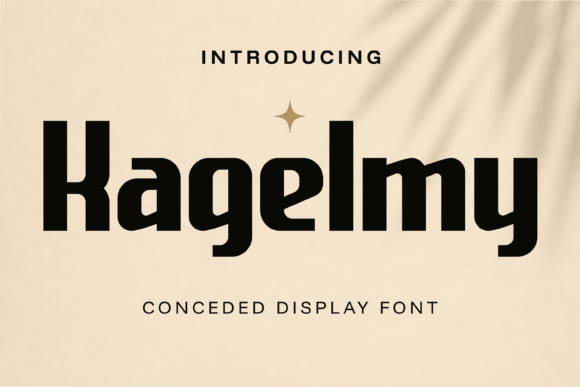
To effectively utilize any typeface, one must understand the structural engineering behind its form. Kagelmy is not merely a squeezed version of a standard width font; it is a purpose-built geometric system designed to maintain proportion even at narrow widths. The tall letterforms are constructed with smooth curves and clean lines that prevent the visual clutter often associated with compressed typography. In many condensed fonts, reducing horizontal space results in distorted counters and awkward negative space, making the text feel cramped or difficult to parse at smaller sizes. Kagelmy avoids this pitfall through deliberate geometric balancing.
The bold personality of the typeface stems from consistent stroke weights and confident vertical stress. This verticality guides the viewer’s eye downward, creating a sense of stability and order. For designers working on user interfaces or mobile-first web designs, this characteristic is particularly valuable. It allows for headline hierarchy that occupies minimal horizontal bandwidth while retaining the optical weight necessary to distinguish sections clearly. The minimalist vibe is achieved not by removing detail, but by refining shapes to their most essential forms, ensuring that the font remains legible and stylish even when scaled aggressively.
Strategic Applications in Brand Identity and Packaging
Brand identity systems require versatility, and the choice of a primary display font often dictates the flexibility of the entire visual language. Kagelmy serves as an anchor for brands that wish to project confidence and contemporary relevance. Its sleek appearance aligns well with industries ranging from tech startups to luxury fashion, providing a neutral yet distinctive canvas for brand messaging. When used in logotypes, the condensed structure allows for longer brand names to fit within square social media avatars or horizontal website headers without requiring excessive kerning adjustments or size reductions that compromise readability.
Packaging design presents perhaps the most rigorous test for a condensed display font. Shelf appeal relies on instant recognition, yet regulatory requirements and ingredient lists consume significant surface area. Kagelmy enables designers to maximize the impact of the product name or key value propositions on crowded shelves. The bold, confident personality ensures the brand stands out against competitors using wider, more traditional serif or sans-serif faces. Furthermore, the clean geometric shapes reproduce exceptionally well across various printing techniques, from embossing on matte cardstock to digital printing on flexible films. The font’s inherent style supports premium positioning, allowing budget-friendly products to achieve a more upscale aesthetic through typographic choice alone.
Editorial Hierarchy and Digital Readability Standards
In editorial contexts, whether print magazines or digital publications, typography must facilitate navigation as much as it enhances beauty. Headlines serve as entry points for readers scanning content, and the effectiveness of these entry points depends heavily on typeface selection. Kagelmy’s tall letterforms create strong vertical rhythms that break up dense blocks of body copy, inviting the reader into the article. Because it maintains a sleek appearance even at large point sizes, it prevents headlines from feeling overwhelming or aggressive, striking a balance between attention-grabbing and respectful of the reader's experience.
Digital implementation introduces additional variables, primarily screen resolution and responsive behavior. Modern condensed display fonts like Kagelmy are increasingly relevant as mobile browsing dominates content consumption. On narrow viewports, standard-width display fonts often force awkward line breaks or require drastic size scaling that diminishes impact. A condensed alternative preserves the intended visual hierarchy regardless of device width. However, accessibility must remain a priority. While Kagelmy is designed for clarity, designers should ensure sufficient contrast ratios and avoid using the boldest weights at extremely small sizes where pixel density might cause fill-in. Testing across multiple devices confirms that the smooth curves render crisply on both high-DPI retina displays and standard screens, maintaining the professional polish required for credible digital publishing.
Fashion and Lifestyle: Communicating Tone Through Form
The fashion and lifestyle sectors rely on typography to convey mood and cultural currency before a single image is processed. Kagelmy’s contemporary aesthetic fits seamlessly into this visual ecosystem. Its minimalist yet powerful vibe complements photography-heavy layouts without competing for attention. In lookbooks, campaign posters, and e-commerce banners, the font acts as a framing device, adding structure to organic imagery. The geometric precision provides a counterpoint to the fluidity of fabric and human form, creating a dynamic visual tension that feels intentionally curated.
Seasonal campaigns benefit from the typeface's adaptability. Unlike decorative scripts or novelty fonts that lock a brand into a specific era or emotion, Kagelmy’s neutrality allows it to shift tone based on color, texture, and composition. Paired with stark black and white photography, it reads as avant-garde and serious. Combined with vibrant gradients and playful illustrations, it becomes energetic and youthful. This chameleon-like quality makes it a cost-effective choice for brands that refresh their visual direction frequently but wish to maintain typographic consistency. The space-saving nature also proves crucial in advertising buys where aspect ratios vary wildly between platforms, ensuring the core message remains intact whether displayed in a vertical story format or a wide leaderboard banner.
Pairing Strategies and Layout Integration
No display font exists in isolation, and the success of Kagelmy in a project often depends on what surrounds it. Its bold, geometric nature pairs best with typefaces that offer contrasting characteristics. A highly readable humanist sans-serif or a classic transitional serif works well for body copy, providing a softer texture that offsets the mechanical precision of the headlines. This contrast establishes a clear information hierarchy, signaling to the reader which elements are navigational landmarks and which are detailed content. Avoid pairing Kagelmy with other condensed geometrics, as this can create visual monotony and reduce the distinctiveness of the headline treatment.
- Negative Space Management: Allow ample breathing room around Kagelmy headlines. The condensed width can tempt designers to pack elements tightly, but preserving margins enhances the font’s elegant stature and improves overall layout comprehension.
- Color and Weight Interplay: Utilize the font’s bold weight for primary messages and explore lighter weights (if available) or increased tracking for secondary subheads. Color can further differentiate hierarchy without altering the typeface family.
- Alignment Consistency: Left-aligned or centered settings typically work best. Justified text with condensed fonts can create distracting rivers of white space due to the narrow character width, so opt for ragged-right alignment in multi-line headline applications.
- Cross-Media Adaptation: Establish specific size and spacing guidelines for print versus digital. What reads as bold on paper may appear too heavy on backlit screens, necessitating slight optical adjustments during production.
Evaluating Typographic ROI for Business and Creators
For business owners and independent creators, font selection is ultimately a resource allocation decision. Investing in a versatile typeface like Kagelmy yields returns through reduced production time and increased asset longevity. Because the font performs well across such a diverse range of applications—from business cards to billboard-scale signage—organizations can consolidate their typographic toolkit rather than licensing multiple specialized families. This simplification streamlines brand guidelines, reduces onboarding friction for new team members, and ensures faster turnaround times for marketing materials.
Furthermore, the contemporary aesthetic of Kagelmy future-proofs design assets. Trends in typography cycle rapidly, but clean geometric forms with strong proportions tend to age gracefully. Projects utilizing this typeface are less likely to appear dated within a few years compared to those relying on trendy ornamental styles. For educators and researchers presenting data or findings, the font’s clarity aids in information retention, demonstrating that aesthetic choices have tangible impacts on communication efficacy. Ultimately, the value lies in the font’s ability to solve the dual problem of standing out while fitting in, delivering professional results that respect both the medium’s constraints and the audience’s attention.