Bradent: Integrating Vintage Motorcycle Typography into Professional Design Workflows
In the landscape of graphic design and brand identity, typography serves as the primary vehicle for communicating tone, era, and authenticity. For projects requiring a rugged, mechanical, or nostalgic aesthetic, selecting the right typeface is not merely an artistic choice but a strategic workflow decision. Bradent emerges as a specialized solution in this niche, offering a comprehensive vintage motorcycle-themed font collection designed to bridge the gap between historical authenticity and modern digital application. This collection is engineered for professionals who need to evoke the spirit of the workshop without sacrificing technical versatility or production efficiency.
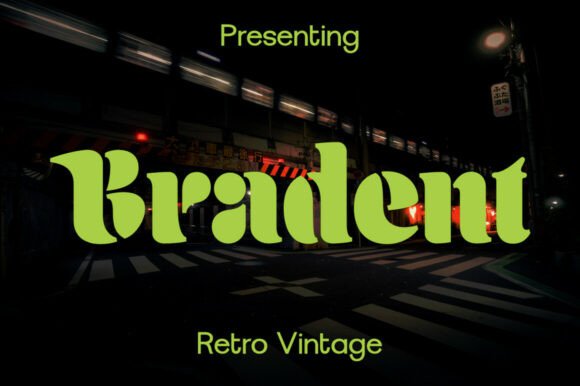
Understanding where Bradent fits within a broader creative process requires looking beyond its visual appeal. It functions as a thematic anchor in branding packages, apparel design, and environmental graphics. Unlike generic distressed fonts that often lack structural integrity, Bradent combines stencil-style serifs and sans-serifs with three distinct texture variations: regular, rough, and stamped. This variation allows designers to maintain typographic consistency across different media while adjusting the level of wear and age to suit specific contexts. Whether you are in the conceptualization phase of a logo or finalizing print-ready files for merchandise, this collection provides the necessary assets to execute a cohesive vintage industrial look.
Strategic Application Across Project Phases
The utility of a specialized typeface like Bradent extends throughout the entire lifecycle of a creative project. Integrating it effectively requires understanding its role during pre-production, active design, and final output preparation.
Pre-Production and Concept Development
During the mood boarding and style scoping phases, Bradent serves as a rapid prototyping tool. When presenting concepts to clients in the automotive, lifestyle, or heritage sectors, using placeholder text can sometimes fail to convey the intended atmosphere. By implementing Bradent early in the wireframing stage, designers can test whether the vintage motorcycle aesthetic aligns with the brand’s core message before committing to high-fidelity mockups. The availability of both serif and sans-serif options within the same family allows for immediate hierarchy testing, helping stakeholders visualize how headlines and subheads will interact in a rustic context.
Active Design and Asset Integration
Once a project moves into execution, Bradent interacts directly with other design elements. It is rarely used in isolation; rather, it pairs with illustrative assets, textures, and color palettes. The collection includes detailed stencil and stamped visuals that complement the typefaces. In a practical workflow, these assets reduce the time spent sourcing external stock imagery or drawing custom grunge effects from scratch. Designers can layer the "stamped" font style over solid backgrounds to create instant badge designs or use the "rough" variant to add tactile depth to flat vector illustrations. This integration streamlines the asset creation process, keeping the focus on layout and composition rather than texture generation.
Post-Production and Output Optimization
The final phase involves preparing files for various outputs, from screen-based media to physical manufacturing. Because Bradent includes intricate distress details, file management becomes a critical consideration. For large-format printing like posters or signage, the high-resolution detail of the OTF files ensures crisp edges even when scaled. However, for web use or smaller embroidery applications, the complexity of the "rough" or "stamped" styles may need to be simplified or swapped for the "regular" style to maintain legibility and reduce file size. Understanding these technical constraints during the handoff phase prevents production errors and ensures the design translates accurately across mediums.
Technical Specifications and Workflow Compatibility
For freelancers, agencies, and in-house teams, software compatibility dictates adoption. Bradent is distributed in both OTF (OpenType) and TTF (TrueType) formats, ensuring seamless integration across industry-standard platforms including Adobe Illustrator, Photoshop, InDesign, Affinity Designer, and CorelDRAW. This cross-platform support eliminates friction when collaborating with external vendors or clients who may use different software ecosystems.
The inclusion of OpenType features in the OTF version offers additional workflow advantages. These features often include alternate characters, ligatures, and contextual styling that allow for customization without leaving the typesetting environment. For logo designers, this means accessing unique glyph variations to avoid generic appearances while staying within the same font family. Utilizing these native features is significantly more efficient than manually modifying letterforms, preserving the editability of the text layer for future revisions.
Practical Implementation Guidelines
To maximize the effectiveness of Bradent while maintaining professional standards, designers should adhere to specific implementation strategies. The nature of vintage typography demands a disciplined approach to readability and hierarchy.
- Restrict Usage to Display Purposes: A critical best practice is to avoid using vintage fonts for long paragraphs of body copy. The textured edges and stencil gaps inherent in Bradent’s rough and stamped styles reduce readability at small sizes. Reserve this collection strictly for headlines, logos, titles, and short callouts. Pair it with a clean, highly legible sans-serif or slab-serif for body text to ensure the content remains accessible.
- Leverage Style Variations for Hierarchy: Use the three included styles to establish visual order without introducing new typefaces. The "Regular" style works well for secondary information or cleaner subheads, while "Rough" and "Stamped" are ideal for primary focal points. This creates a unified system where variation comes from texture rather than conflicting font families.
- Consider Background Contrast: Distressed fonts rely heavily on contrast to define their shape. When placing Bradent on busy photographic backgrounds or complex textures, the internal noise of the font can clash with the background noise. In these scenarios, utilize the "Regular" style or apply a subtle drop shadow/stroke to separate the type from the backdrop. Solid, muted color backgrounds typically yield the best results for the heavily textured variants.
- Test at Final Output Size: Always preview the design at 100% scale relative to the final output. A texture that looks appropriately weathered on a 27-inch monitor may appear illegible on a business card or overwhelmingly chaotic on a billboard. Adjust the tracking (letter-spacing) accordingly; vintage stencil fonts often require slightly tighter tracking in headlines to unify the fragmented letterforms, but wider tracking in all-caps settings to prevent visual crowding.
Use Cases and Industry Applications
Bradent’s specific aesthetic profile makes it particularly valuable for industries and projects centered around craftsmanship, heritage, and outdoor adventure. Understanding these use cases helps professionals determine when this tool is appropriate for their current workload.
Automotive and Motorcycle Branding: This is the primary domain for Bradent. Repair shops, custom builders, and parts manufacturers benefit from the authentic garage aesthetic. The stencil elements reference military and industrial shipping crates, reinforcing notions of durability and utility. Using this font in signage, uniforms, and packaging immediately signals category relevance to enthusiasts.
Apparel and Merchandise Design: For clothing brands targeting the 20–50 demographic with interests in vintage culture, Bradent provides a ready-made foundation for t-shirt graphics and hat embroidery. The stamped style mimics traditional screen printing imperfections, adding perceived value and authenticity to mass-produced goods. Designers can create series of related graphics using the consistent typographic voice, streamlining seasonal collection development.
Event Marketing and Posters: Music festivals, bike rallies, and craft fairs require promotional materials that stand out in crowded feeds. The bold, textured nature of Bradent captures attention quickly in thumbnail views. When designing social media assets, the high contrast and distinctive silhouette of the letterforms perform better than thin, modern scripts that may disappear on mobile screens.
Editorial and Publishing: Magazines, blogs, and books covering mechanical hobbies or history can use Bradent for chapter titles, pull quotes, and cover art. It sets the temporal context instantly, allowing readers to orient themselves within the narrative before reading a single word of body copy.
Maintaining Quality and Consistency
Integrating a strong thematic font like Bradent into a long-term workflow requires governance to prevent brand fatigue or misuse. Establish clear guidelines regarding which style is appropriate for which application. Documenting these rules in a brand kit or style guide ensures that multiple designers or freelancers can work on the same project without diluting the visual identity.
Furthermore, consider the longevity of the trend. While vintage motorcycle aesthetics have enduring appeal, overusing distressed textures can date a design prematurely. Balance is key. Use Bradent to provide character and warmth, but ground the overall design system with timeless layout principles and neutral supporting elements. This approach ensures that the work feels authentically retro rather than like a temporary costume.
Ultimately, Bradent is more than a decorative asset; it is a functional component of a specialized design toolkit. By understanding its technical parameters, respecting its readability limitations, and applying it strategically within established workflows, creators can harness the spirit of vintage craftsmanship to produce work that resonates with strength, nostalgia, and professional polish. Whether launching a new heritage brand or refreshing an existing identity, this collection offers the typographic foundation necessary to bring the authentic workshop aesthetic to life efficiently and effectively.