Western Grunge: Integrating Rugged Typography into Professional Design Workflows
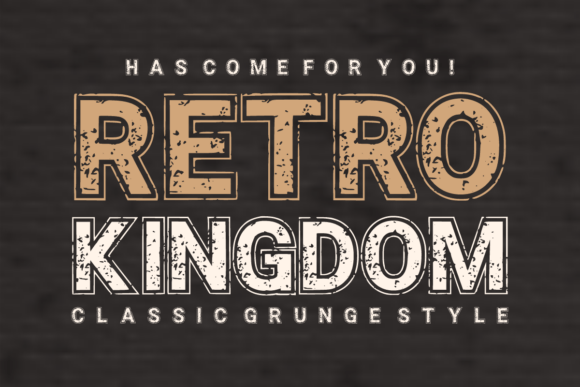
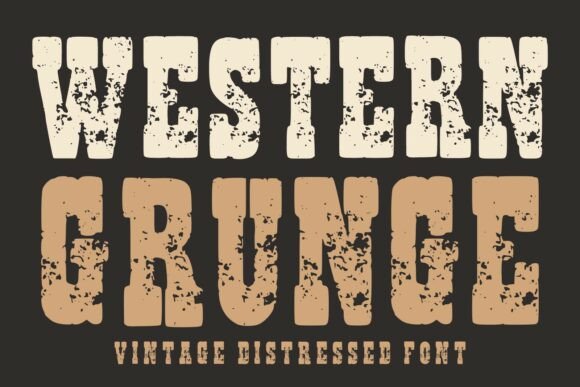
Selecting the right typeface is rarely just an aesthetic choice; it is a strategic decision that defines the tone, readability, and historical context of a project. Western Grunge serves as a specialized tool within this selection process, offering a bold and rugged display solution inspired by classic western typography and vintage signage. For designers, marketers, and business owners, understanding where this specific asset fits into a broader creative workflow is essential for maintaining brand authenticity without sacrificing professional polish. This typeface delivers an authentic rustic and worn look through strong letterforms and a textured distressed effect, but its successful implementation requires careful planning regarding hierarchy, pairing, and technical application.
Defining the Role of Display Typography in Brand Identity
Before integrating Western Grunge into a layout or branding kit, it is necessary to establish its functional role. As a display typeface, it is engineered for impact rather than extended reading. In the planning phase of any design project, this distinction dictates usage parameters. The font brings a bold cowboy-style character that makes designs stand out with a classic old-west atmosphere, making it ideal for headlines, logos, and short-form messaging. However, treating it as a body copy alternative will degrade user experience and legibility.
Professionals should view Western Grunge as an anchor element. During the mood boarding and concept development stages, this typeface can serve as a visual litmus test for the project’s direction. If the goal is to evoke heritage, durability, or outdoor adventure, testing this font early helps validate whether the visual strategy aligns with the brand narrative. Conversely, if the project requires a sleek, modern, or high-tech aesthetic, recognizing the incompatibility of this rugged texture during the discovery phase saves time and prevents costly revisions later in the production cycle.
Strategic Pairing and Visual Hierarchy
A common failure point in using highly stylized fonts is poor pairing. Western Grunge possesses significant visual weight due to its distressed texture and bold structure. To maintain balance in a composition, it must be paired with complementary typefaces that provide contrast and stability. This interaction between assets is critical for creating a cohesive design system rather than a disjointed collage.
- Sans-Serif Neutrality: Pairing with clean, geometric sans-serifs allows the grunge texture to remain the focal point without competing for attention. This combination works exceptionally well for modern packaging and t-shirt prints where readability is paramount.
- Traditional Serifs: For projects requiring a more historical or academic tone, such as museum exhibits or heritage brand storytelling, a classic serif provides a refined counterpoint to the rugged display face.
- Handwritten Scripts: While tempting, pairing with other distressed or handwritten fonts often creates visual noise. Use scripts sparingly and ensure they have sufficient open space to breathe alongside the heavy letterforms of Western Grunge.
Establishing these relationships before opening design software ensures efficiency. Create a style guide or typographic scale that defines exactly when and how Western Grunge appears relative to supporting text. This preparation phase guarantees consistency across multiple deliverables, from social media graphics to large-format posters.
Technical Implementation Across Print and Digital Media
The distressed nature of Western Grunge introduces specific technical considerations that differ from standard vector typography. The textured effect relies on opacity masks, rough edges, and internal erosion. How these details render depends entirely on the output medium. Understanding these constraints during the pre-production phase prevents quality control issues downstream.
Print Production Considerations
For vintage posters, labels, and packaging, the physical printing process interacts directly with the font's texture. High-resolution output is non-negotiable. When preparing files for offset or screen printing, verify that the distressed elements are not too fine for the chosen substrate. Ink spread on uncoated paper or fabric can fill in small gaps, causing the "worn" look to become muddy or illegible. Always request a physical proof or strike-off when using Western Grunge on merchandise like t-shirts or embossed labels. Adjusting the tracking or scaling the texture slightly may be necessary to accommodate the specific manufacturing method.
Digital and Web Optimization
In digital environments, file size and rendering clarity take precedence. Distressed fonts often contain complex vector paths that can bloat web font files. When implementing Western Grunge for retro graphic projects online, consider subsetting the font to include only necessary characters. Additionally, test the typeface at various screen resolutions. What looks authentically weathered on a 4K monitor may appear pixelated or broken on mobile devices. Providing a clean fallback font in CSS ensures that the message remains accessible even if the stylistic nuances fail to load correctly.
Workflow Integration for Creative Teams
For agencies, freelancers, and in-house teams, managing specialized assets like Western Grunge requires organized asset management. Treating this font as part of a larger resource library streamlines execution. Rather than searching for "western fonts" every time a project arises, categorize it within your team’s design system under specific tags such as "heritage," "outdoor," "vintage," or "display-bold."
Efficiency also extends to licensing and compliance. Before purchasing or deploying, verify the license covers all intended use cases. A personal desktop license may suffice for a hobbyist blogger, but commercial projects involving logos, merchandise, or embedded web fonts typically require expanded rights. Documenting these permissions in your project brief or asset manager protects the business from legal exposure and clarifies usage boundaries for junior designers or external contractors.
Application in Specific Business Contexts
The versatility of Western Grunge allows it to function across various stages of business operations, from initial branding to seasonal marketing campaigns. Its application should always tie back to a clear communication objective.
Branding and Logo Design: When used in identity work, the font establishes immediate sector recognition. It signals to consumers that a business operates within the outdoor, artisanal, or heritage sectors. However, because trends shift, consider using Western Grunge as a secondary brand element or campaign-specific asset rather than the primary logotype if long-term flexibility is a concern. This approach allows the brand to leverage the old-west atmosphere for specific product lines or events without pigeonholing the entire corporate identity.
Packaging and Labeling: In retail environments, shelf appeal drives conversion. The bold letterforms of Western Grunge create high contrast against natural materials like kraft paper, wood, or matte finishes. During the packaging design workflow, use this typeface to highlight key value propositions or flavor profiles. Ensure that regulatory text and nutritional information utilize a separate, highly legible typeface to maintain compliance and consumer trust.
Event and Promotional Materials: For festivals, markets, or limited-time offers, the font acts as a temporal cue. It instantly communicates a thematic experience. In these fast-turnaround workflows, having pre-approved templates featuring Western Grunge allows teams to produce consistent signage, tickets, and social assets rapidly without reinventing the visual language for each iteration.
Quality Control and Long-Term Maintenance
Maintaining the integrity of a distressed typeface over time requires ongoing evaluation. As design trends evolve and output technologies change, assets that once looked authentic can begin to feel dated or technically obsolete. Schedule periodic reviews of your typographic assets. Ask whether Western Grunge still accurately represents the brand’s current positioning and whether the file formats meet modern standards.
Furthermore, gather feedback from end-users and stakeholders. In usability testing for digital products, observe whether the textured letterforms impede scanning speed or comprehension. In print, monitor customer feedback regarding legibility on packaging. Authenticity should never come at the cost of function. If the rugged aesthetic begins to hinder communication, it is time to adjust the usage guidelines or retire the asset in favor of a cleaner alternative.
Ultimately, Western Grunge is a powerful instrument for conveying specific cultural and aesthetic values. By approaching its selection and implementation with the same rigor applied to color systems, grid structures, and content strategy, professionals can harness its bold character effectively. Success lies not merely in downloading the font, but in understanding how its unique properties interact with other design elements, production methods, and audience expectations. Through thoughtful planning and disciplined execution, this typeface becomes more than a decorative layer; it becomes a reliable component of a comprehensive creative workflow.