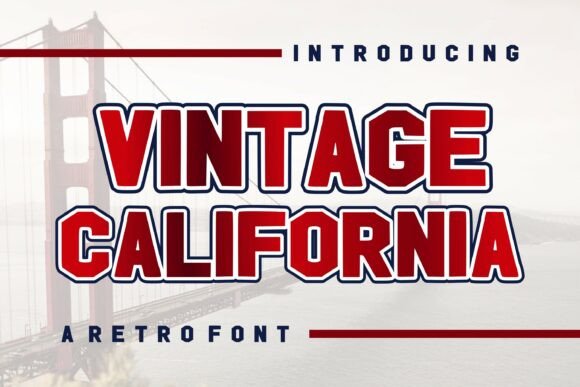
Understanding Vintage California: The Typography of Nostalgic West Coast Design
In the vast landscape of digital typography, certain typefaces manage to transcend their function as mere letterforms to become cultural artifacts. Vintage California is one such font. It is a bold retro display typeface that captures the essence of classic American collegiate and varsity lettering, serving as a visual bridge between mid-century nostalgia and contemporary design needs. For designers, marketers, and creatives looking to evoke a specific emotional response, understanding the nuances of this font is essential. It is not simply a collection of blocky characters; it is a stylistic tool that communicates heritage, athleticism, and the timeless allure of the West Coast.
The Anatomy of Retro Collegiate Lettering
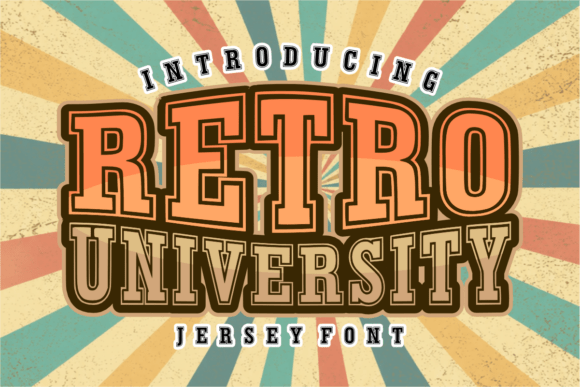
To fully appreciate Vintage California, one must first understand the design principles from which it draws inspiration. This typeface belongs to a category often referred to as "varsity" or "collegiate" style. Historically, these fonts were born out of necessity rather than pure aesthetics. In the early 20th century, athletic departments needed lettering that could be easily stitched onto wool sweaters or painted onto wooden signs. The result was a style defined by strong block shapes, uniform stroke widths, and high legibility from a distance.
Vintage California modernizes this utilitarian history with a distinctive layered outline style. Unlike standard solid block fonts, this layered approach adds depth and dimension without sacrificing readability. The outlines create a sense of movement and energy, mimicking the hand-painted signage found on historic university campuses and classic American diners. This structural choice is what separates Vintage California from generic sports fonts; it possesses a crafted, artisanal quality that feels intentional and premium rather than mass-produced.
Defining Characteristics of the Typeface
When evaluating whether this font is appropriate for a project, it helps to identify its core visual markers:
- Geometric Stability: The letterforms are grounded in square and rectangular geometry, providing a sense of reliability and strength.
- Nostalgic Texture: While digitally clean, the proportions suggest analog printing methods and hand-lettering traditions.
- West Coast Influence: The vibe leans specifically toward the relaxed yet bold aesthetic associated with California surf culture and 1970s Americana, distinguishing it from stricter East Coast Ivy League styles.
- Display Optimization: Designed primarily for large sizes, the intricate layering details remain crisp in headlines but may lose impact at small body text sizes.
Practical Applications in Modern Branding
The significance of Vintage California extends far beyond historical appreciation. In modern design workflows, it serves as a powerful shorthand for specific brand values. When a business or organization selects this typeface, they are leveraging decades of cultural association. The font does heavy lifting in communication, instantly signaling concepts like tradition, community, and authenticity before the viewer even reads the message.
Apparel and Merchandise Design
Perhaps the most natural habitat for Vintage California is in apparel design. The resurgence of vintage sportswear has made collegiate-style typography a staple in fashion retail. This font is ideal for creating sweatshirts, caps, and tote bags that feel like thrift store finds rather than new merchandise. Because the font includes built-in layering, designers can achieve complex multi-color prints without having to manually create offset effects in vector software. This streamlines the production process for screen printers and direct-to-garment manufacturers while ensuring a professional finish.
Sports and Athletic Identity
For scholastic athletics, recreational leagues, and esports teams, establishing a visual identity that commands respect is crucial. Vintage California offers an instant "established" look. Even a newly formed intramural team can appear to have decades of history simply by utilizing this typeface for jerseys, scoreboards, and social media graphics. The bold weight ensures numbers and names are legible across a field or arena, adhering to the functional requirements of sports design while maintaining stylistic flair.
Hospitality and Lifestyle Branding
Beyond sports, this font has found a home in the hospitality sector. Breweries, coffee roasters, and boutique hotels often use Vintage California to anchor their branding in a sense of place. A craft brewery using this font on tap handles suggests a connection to local history and traditional brewing methods. Similarly, lifestyle brands focusing on outdoor recreation utilize the typeface to evoke the golden era of California road trips and national park tourism. It transforms a commercial product into an experience rooted in American leisure culture.
Integrating Vintage California into Digital Workflows
While the aesthetic of Vintage California is decidedly retro, its application requires modern technical consideration. Understanding how to pair and implement this font ensures that designs remain accessible and effective across various media.
Effective Font Pairing Strategies
A common misunderstanding among beginner designers is the assumption that a bold display font should be paired with other decorative elements. On the contrary, Vintage California demands balance. Because the font itself is visually dense and ornate due to its layered outlines, it pairs best with clean, minimalist sans-serif typefaces for body copy. Fonts like Helvetica, Inter, or Montserrat provide necessary breathing room. Using another serif or decorative font alongside Vintage California often leads to visual clutter and reduced legibility. The goal is to let the display font serve as the hero element while supporting typography facilitates reading.
Color Theory and Contrast
The layered nature of this typeface opens up unique opportunities for color exploration. Designers can utilize contrasting colors for the fill and the outline to enhance visibility. Classic combinations include cream fills with navy outlines, burnt orange with forest green, or gold with charcoal. However, when designing for digital screens, accessibility must remain a priority. Ensure that the contrast ratio between the text and the background meets WCAG standards. The internal contrast between the font’s layers should not compromise the overall legibility against the background color.
Common Misconceptions About Retro Typography
As with any trend-driven design element, there are pitfalls to avoid when working with Vintage California. Clarifying these misconceptions helps maintain design integrity.
- "Retro Means Dated": There is a difference between something looking old and something looking vintage. Vintage California is a revivalist interpretation, not a replica of degrading assets. It should be used to convey timelessness, not obsolescence. Avoid adding excessive grunge textures or noise filters on top of the font, as the typeface already contains sufficient stylistic detail.
- "It Is Only for Sports": While rooted in varsity lettering, limiting this font exclusively to athletic contexts ignores its versatility. Its geometric clarity makes it suitable for tech startups wanting to appear friendly and established, or for educational institutions rebranding alumni networks.
- "Bold Fonts Are Always Loud": Despite its heavy weight, Vintage California carries a warmth that aggressive industrial fonts lack. It is bold but inviting, making it appropriate for family-oriented events and community gatherings where intimidation is not the goal.
The Cultural Resonance of West Coast Design
Ultimately, the enduring popularity of Vintage California speaks to a broader cultural desire for authenticity in an increasingly digital world. As artificial intelligence generates content and interfaces become more sterile, human-centric design elements gain value. This font represents a tangible connection to a specific time and place—the sun-drenched optimism of post-war America, the camaraderie of campus life, and the freedom of the open road.
For educators teaching graphic design history, Vintage California serves as an excellent case study in semiotics. It demonstrates how shape and form carry meaning independent of language. For business owners, it offers a cost-effective way to infuse brand materials with personality and narrative depth. And for the general enthusiast, it remains a beautiful example of how typography shapes our perception of the world around us.
Whether you are designing a championship banner, a label for artisanal hot sauce, or a poster for a summer music festival, Vintage California provides the typographic foundation necessary to make a powerful statement. It reminds us that good design is not just about what looks new, but about what feels true. By mastering the application of this bold retro display font, creators can harness the power of nostalgia to build designs that resonate deeply with modern audiences, proving that some styles truly are timeless.