Happy Game Day: Evaluating a Vintage Sports Slab Serif for Authentic Athletic Design
Selecting the right typography for sports-related projects requires balancing legibility with emotional resonance. While standard athletic fonts often prioritize uniform geometry, Happy Game Day takes a different approach by integrating historical texture into a heavy-duty slab serif structure. This typeface is engineered specifically for designers who need to evoke the tactile nostalgia of varsity athletics, letterman jackets, and mid-century stadium signage without sacrificing modern visual weight.
For creative professionals aged 20 to 50 evaluating display fonts, understanding the specific niche of Happy Game Day is essential. It is not a versatile workhorse for body copy or minimalist branding; rather, it is a specialized tool for high-impact environments where atmosphere matters as much as readability. By analyzing its structural blueprint, embedded texturing, and comparative strengths, designers can determine if this font aligns with their project’s authentic requirements or if a cleaner alternative would serve better.
Structural Anatomy and Textural Authenticity
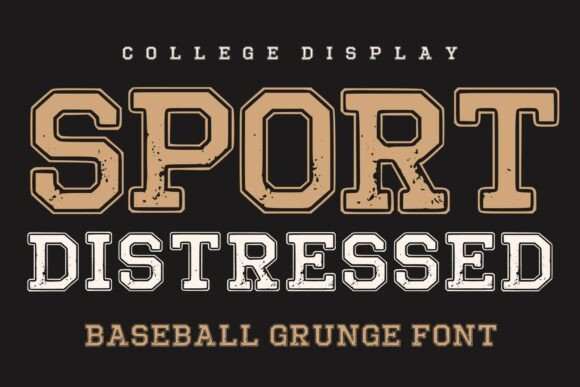
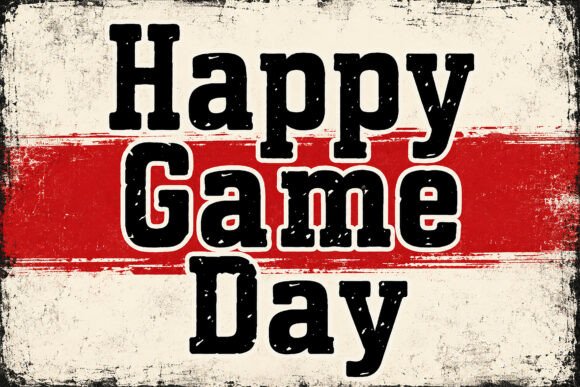
Happy Game Day distinguishes itself through a combination of architectural mass and surface imperfection. The foundation is a bold slab serif characterized by thick, blocky pillars. Unlike geometric sans-serifs commonly used in modern esports or tech-forward athletic brands, this typeface relies on sharp, rugged terminal flares that reference traditional woodblock printing and physical manufacturing constraints. These details prevent the letters from appearing digitally sterile, grounding them in a pre-digital era of competitive history.
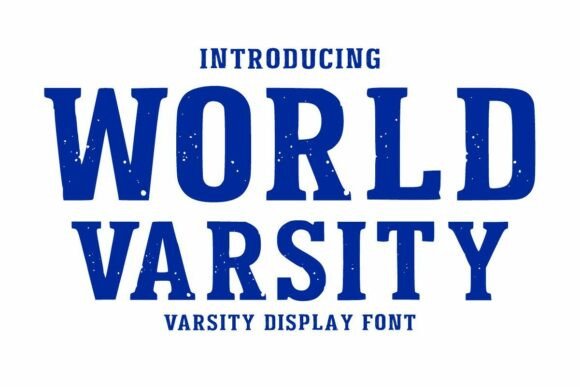
The most significant differentiator is the meticulously embedded grit texture. Many vintage-style fonts apply distress as a post-production overlay, which can sometimes look artificial or repetitive. In contrast, Happy Game Day integrates weathering directly into the glyph outlines. This mimics the stress of stadium turf, peeling paint on wooden signs, and the wear patterns found on decades-old equipment. For designers working with complex backgrounds involving team colors, photographic textures, or distressed layouts, this built-in grain helps the typography sit naturally within the composition rather than floating awkwardly on top of it.
Visual Weight and Hierarchy Management
The font carries massive visual weight, making it an exceptional choice for dominant headlines but a poor candidate for secondary information. Its high-contrast linework commands attention, effectively cutting through busy graphics that typically clutter sports posters and tailgating signage. However, this dominance requires careful hierarchy management. When using Happy Game Day, supporting text should generally be set in clean, neutral sans-serifs or simple serifs to avoid visual competition. Pairing it with another decorative font often results in a chaotic layout where neither element communicates clearly.
Comparative Evaluation: Happy Game Day vs. Standard Athletic Typography
When researching typography options for athletic themes, designers frequently encounter three primary categories: modern geometric sans-serifs, classic collegiate serifs, and novelty display faces. Understanding where Happy Game Day fits within this spectrum aids in making an informed selection.
- Modern Geometric Sans-Serifs: Fonts in this category offer maximum legibility and a contemporary, professional feel. They are ideal for corporate sponsorships, digital interfaces, and performance data visualization. However, they lack the nostalgic warmth and "team spirit" associated with grassroots athletics. Happy Game Day sacrifices some digital precision to gain emotional depth, making it superior for heritage-focused campaigns but less suitable for sleek, futuristic branding.
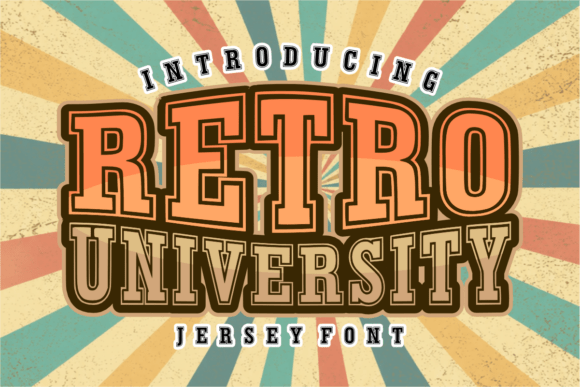
- Classic Collegiate Serifs: Traditional varsity fonts are timeless and widely recognized. Yet, because they are ubiquitous, they can sometimes feel generic or overly formal. Happy Game Day offers a distinct alternative by introducing a rougher, more industrial aesthetic. It feels less like an official university seal and more like a fan-made banner or a local brewery sign, providing a unique identity for projects that want to avoid institutional clichés.
- Novelty Display Faces: Many sports-themed novelty fonts exaggerate motion or aggression, often at the expense of readability. Happy Game Day avoids extreme stylization. Its posture is monumental and stable—akin to a team captain standing still—rather than dynamic or italicized. This stability makes it more versatile for static applications like t-shirt prints and blog headers, where sustained readability is necessary.
Ideal Use Cases and Practical Applications
Evaluating the return on investment for a specialized font involves matching its characteristics to specific deliverables. Happy Game Day performs exceptionally well in scenarios where the goal is to trigger nostalgia or convey rugged durability.
High School and Collegiate Fan Gear
For merchandise design, authenticity drives sales. Championship varsity t-shirts and hoodies benefit from the font’s weathered texture, which makes new garments feel instantly broken-in and storied. The thick pillars ensure that names and numbers remain visible from a distance, while the rugged terminals add character that smooth vector fonts cannot replicate. This is particularly effective for alumni associations or booster clubs looking to celebrate historical milestones rather than current season stats.
Hospitality and Tailgating Signage
Local breweries, sports bars, and tailgate setups require typography that complements rustic or industrial interior design. Happy Game Day bridges the gap between athletic enthusiasm and hospitality aesthetics. Its woodblock-inspired texture pairs seamlessly with chalkboard menus, reclaimed wood accents, and neon lighting. In these environments, the font acts as a thematic anchor, reinforcing the venue's connection to game day culture without feeling like a commercial advertisement.
Digital Content and Gaming Layouts
In digital spaces, such as custom sports blog headers or streaming overlays, the font’s high contrast ensures legibility against video backgrounds or complex photography. For gaming layouts, specifically those focused on retro simulations or historical sports titles, Happy Game Day provides an interface aesthetic that matches the gameplay era. It signals to the user that the experience is rooted in tradition, distinguishing it from modern fantasy sports platforms that typically utilize cleaner, data-driven typography.
Tradeoffs, Limitations, and Decision Factors
While Happy Game Day excels in specific niches, it presents distinct tradeoffs that must be weighed during the evaluation process. Recognizing these limitations prevents misuse and ensures the final design remains functional.
Legibility Constraints at Small Sizes
The embedded grit texture and rugged terminals, while aesthetically valuable, reduce clarity at smaller point sizes. Below a certain threshold, the distressing can cause letters to bleed together or appear muddy, especially in low-resolution digital formats or on uncoated paper stock. If your project requires extensive subheadings, captions, or fine print, this font will likely fail. It is strictly a headline and display solution. Designers needing a cohesive family that scales down to body text should look elsewhere or plan to pair this font with a highly legible companion face.
Tone Specificity
The font’s personality is undeniably masculine, rugged, and historically anchored. This makes it ill-suited for brands aiming for inclusivity, modern wellness, youth development, or luxury positioning. If the objective is to promote a junior league, a women’s fitness initiative, or a premium VIP stadium experience, the heavy, weathered aesthetic of Happy Game Day may send conflicting signals. In such cases, a lighter weight serif or a rounded sans-serif might communicate approachability and modernity more effectively.
Reproduction Considerations
Physical production methods influence the viability of textured fonts. While screen printing and direct-to-garment (DTG) printing handle the grit texture well, embroidery and vinyl cutting present challenges. Fine details in the distressing may be lost or require excessive simplification during digitization for stitching. Similarly, laser engraving on certain materials may render the texture as noise rather than intentional design. Always test the font in the intended output medium before committing to large-scale production.
Making the Final Selection
Choosing Happy Game Day ultimately depends on the desired emotional outcome of the project. If the brief calls for polished professionalism, futuristic energy, or delicate refinement, this typeface is likely the wrong tool. However, for designers tasked with capturing the visceral energy of stadium turf, the pride of vintage athletics, and the communal spirit of game day, it offers a shortcut to authenticity that generic alternatives cannot provide.
By treating Happy Game Day as a specialized atmospheric element rather than a universal utility, designers can leverage its monumental posture to create work that resonates deeply with audiences who value competitive history. Evaluate your specific constraints regarding size, reproduction method, and brand tone. When the fit is right, this slab serif delivers a level of nostalgic impact that transforms standard layouts into enduring tributes to the spirit of the game.