Evaluating Sport Distressed for Vintage Athletic Design
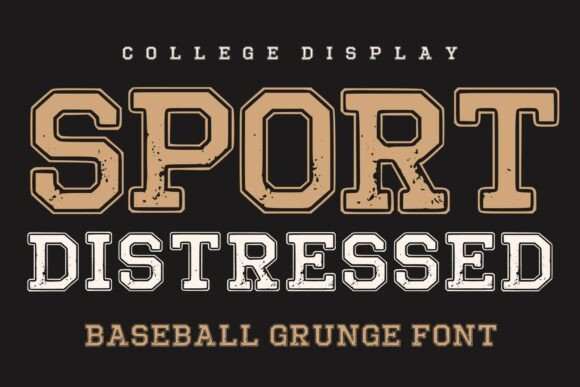
Selecting the appropriate typeface is a critical decision in sports branding and retro design. Typography does more than convey information; it establishes era, tone, and cultural context. Sport Distressed is a bold vintage college display font characterized by a rugged grunge texture and classic varsity lettering forms. For designers, art directors, and brand managers evaluating typefaces for athletic projects, understanding the specific utility and limitations of this font is essential. This analysis explores where Sport Distressed aligns with project goals and where alternative solutions may be more effective.
Defining the Aesthetic Profile
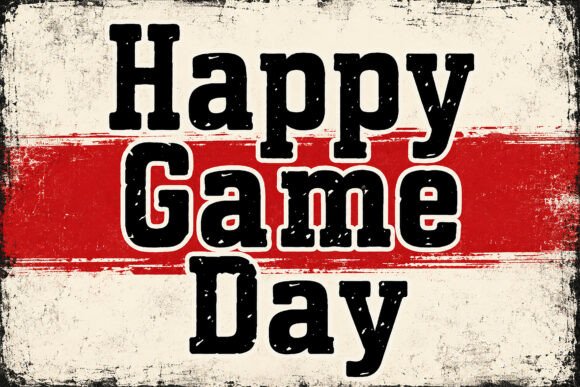
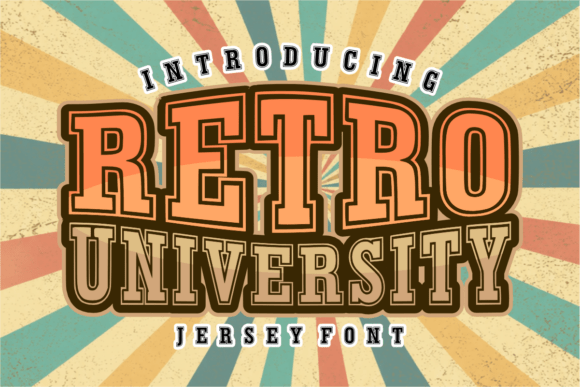
Sport Distressed falls squarely within the collegiate athletic genre. Its primary visual identifier is the integration of wear and tear directly into the glyph outlines. Unlike clean geometric sans-serifs or pristine slab serifs, this typeface mimics the degradation found on decades-old gymnasium signage, faded baseball jerseys, and weathered equipment. The letterforms themselves are derived from traditional varsity and block styles, featuring heavy strokes and distinct serifs that anchor the characters.
The distressing is not merely an overlay but appears intrinsic to the design. This distinction matters for evaluation because it affects how the font behaves at different scales and in various media. The texture provides immediate historical context, signaling "vintage," "heritage," or "authentic" without requiring additional graphic elements. However, this inherent texture also dictates specific use cases, separating it from versatile workhorse typefaces used in broader editorial or corporate contexts.
Strategic Applications and Strengths
When considering Sport Distressed, it is helpful to identify scenarios where its specific attributes solve design problems rather than create them. The font excels in environments where emotional resonance and thematic consistency outweigh the need for high-density readability.
- Merchandise and Apparel: The rugged texture translates exceptionally well to screen printing and embroidery. In these mediums, slight imperfections in ink deposition or thread tension naturally complement the font’s distressed edges, making the final product look intentionally aged rather than poorly printed.
- Team Logos and Wordmarks: For teams seeking to establish a heritage brand or celebrate an anniversary, Sport Distressed provides instant legitimacy. It avoids the sterile appearance of modern digital typography, suggesting a history and tradition even for newer organizations.
- Event Posters and Signage: Large-format displays benefit from the font’s heavy weight. The grunge details remain visible at distance without dissolving into noise, maintaining legibility while adding visual interest to otherwise flat compositions.
- Retro Packaging: Brands marketing sports nutrition, craft beverages, or lifestyle products often utilize this aesthetic to tap into nostalgia. The font serves as a shorthand for authenticity in crowded retail environments.
Tradeoffs and Technical Considerations
No display font is universally applicable. Evaluating Sport Distressed requires an honest assessment of its limitations relative to project requirements. The very features that make it distinctive also impose constraints on usability.
Legibility at Small Sizes
The distressed texture reduces the effective contrast between the letterform and the background. At small point sizes, the grunge details can fill in, causing letters to merge or become indistinct. If a project requires body copy, captions, or fine print, Sport Distressed is likely unsuitable. It should be reserved for headlines, titles, and short phrases where individual character recognition is not compromised by texture density.
Limited Typographic Hierarchy
Vintage display fonts often lack extensive family variations. Sport Distressed typically presents as a singular, bold statement. Designers accustomed to relying on multiple weights (light, regular, medium, bold) to create hierarchy within a single typeface may find this limiting. Establishing visual order often requires pairing Sport Distressed with a complementary secondary typeface, such as a clean sans-serif or monospaced font, to handle supporting text.
Reproduction Variables
Digital rendering is consistent, but physical reproduction introduces variables. When using Sport Distressed for vinyl cutting, laser engraving, or intricate embroidery, the distressed edges may present technical challenges. Fine fragments of the grunge texture might not adhere properly in vinyl applications or could cause needle breaks in embroidery. Pre-production testing is necessary to ensure the texture survives the manufacturing process without degrading unintentionally.
Comparing Alternatives
Decision-making involves comparing options. Understanding when to choose Sport Distressed over alternatives helps clarify its niche.
- Versus Clean Varsity Fonts: If the goal is a modern collegiate look or if the design must meet strict accessibility standards for readability, a clean varsity font like College or Athletic is preferable. These offer similar structural forms without the texture that impedes quick reading.
- Versus Generic Grunge Fonts: Many grunge fonts apply texture indiscriminately across standard letterforms. Sport Distressed differs because its base structure is specifically athletic. If the project lacks a sports context, a general-purpose distressed typeface may be more appropriate to avoid unintended athletic connotations.
- Versus Custom Lettering: For major brand identities where uniqueness is paramount, custom hand-lettering may be worth the investment. While Sport Distressed captures the general aesthetic, it remains a commercially available resource. Projects requiring exclusive visual ownership may need bespoke solutions.
Practical Decision Framework
To determine if Sport Distressed aligns with current needs, consider the following evaluation criteria during the selection process:
- Audience Expectation: Does the target demographic associate distressed athletic typography with authenticity or with outdated design? Context matters significantly here.
- Medium Constraints: Will the primary application support textured edges? Digital screens and large prints are generally safe; small-scale print and complex fabrication require verification.
- Content Volume: Is the text limited to three to five words per line? If longer passages are necessary, plan for a secondary typeface immediately.
- Brand Tone Alignment: Does the rugged, imperfect aesthetic match the brand voice? A luxury athletic brand might find the grunge too casual, while a grassroots community team might find it perfectly aligned.
Implementation Best Practices
If Sport Distressed is selected, certain practices maximize its effectiveness. Avoid applying additional distress filters or textures on top of the font, as this compounds degradation and destroys legibility. Instead, let the existing texture serve as the sole source of wear. Color selection also plays a role; high-contrast combinations (cream on navy, gold on maroon) preserve edge definition better than low-contrast pairings. Finally, generous letter-spacing often improves the performance of distressed display fonts by preventing texture overlap between adjacent characters, ensuring each letterform retains its integrity.
Ultimately, Sport Distressed is a specialized tool. It solves specific problems related to vintage athletic aesthetics and emotional branding. By evaluating it against practical constraints and project goals rather than novelty alone, designers can make informed decisions that result in effective, authentic communications. When the fit is right, it delivers a powerful collegiate character that few clean typefaces can replicate. When the fit is wrong, recognizing those limitations early prevents costly revisions and ensures the final design serves both form and function.