Surrender to the Darkness with Ariel: A Typeface for the Bold and the Broken
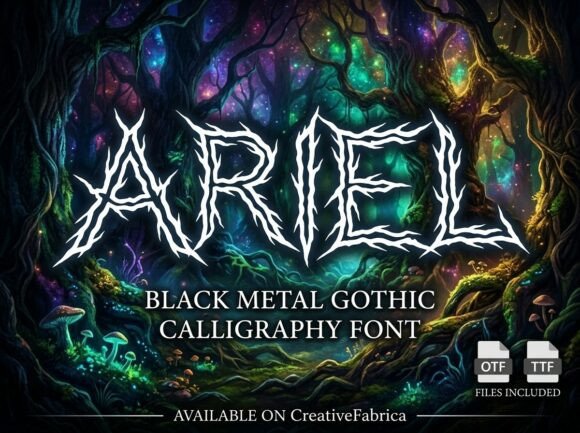
In the vast ecosystem of typography, most fonts are designed to be invisible. They aim for neutrality, readability, and polite compliance. But then there is Ariel, a visceral display typeface that refuses to whisper. Designed for those who need their message to bleed through the screen or paper, Ariel is not merely a collection of glyphs; it is an atmosphere. It captures a shadow-born-and-sharp soul that speaks directly to the fringes of design, bridging the chasm between ancient forbidden scripts and the raw energy of modern underground metal aesthetics.
Choosing a typeface is usually a exercise in restraint. Working with Ariel is an exercise in surrender. It demands that you abandon safe grid systems and embrace a chaotic, rhythmic beauty that feels hand-drawn yet structurally immense. For designers working in extreme music branding, dark fantasy editorial, or alternative streetwear, this font offers something that clean sans-serifs simply cannot: a personality that feels dangerous.
The Anatomy of Shadow: Understanding Ariel’s Visual Language
To use Ariel effectively, one must first understand its construction. It is defined by aggressive, high-contrast letterforms that do not follow traditional calligraphic logic. Instead of smooth curves and predictable terminals, Ariel features rhythmic, hand-drawn thorned extensions. These aren't mere decorative swashes; they are integral to the skeleton of each character. The structure is root-like, evoking imagery of gnarled branches, cracked bone, or ironwork left to rust in a forgotten cathedral.
This skeletal quality gives the typeface a heavy structural weight without feeling bloated. The contrast between the thick, anchoring strokes and the razor-sharp, thorny details creates a visual tension that keeps the eye moving. It avoids the static nature of many blackletter or grunge fonts. Where others feel like stamped textures, Ariel feels alive, as if the letters grew out of the canvas rather than being placed upon it.
- Thorned Extensions: Sharp, organic protrusions that add aggression and rhythm to headlines.
- Skeletal Structure: A bone-like framework that provides stability amidst visual chaos.
- High Contrast: Extreme variation in stroke width ensures legibility even at smaller display sizes.
- Hand-Drawn Imperfection: Retains the human element, preventing the "digital sterility" common in horror-themed fonts.
Branding the Underground: Music and Subculture Identity
The primary habitat of Ariel is the independent extreme music scene. In genres like black metal, deathcore, and industrial noise, visual identity is as crucial as the sonic output. Fans judge a band’s authenticity before hearing a single note based on the logo and album art. Generic gothic fonts signal a lack of originality. Ariel, conversely, signals intent.
For band logos, Ariel’s aggressive letterforms allow for tight kerning and interlocking characters that create a monolithic symbol. The thorned extensions can be manipulated to merge with adjacent letters, creating a custom wordmark that feels bespoke rather than typed. This is essential for merchandise design. On a t-shirt or patch, the font’s heavy weight ensures it remains visible from a distance in a dimly lit venue, while the intricate details reward closer inspection.
Beyond music, Ariel has found a home in alternative streetwear. Modern dark fashion relies heavily on typography to convey mood. When used on oversized hoodies, cargo pants, or accessory tags, Ariel bridges the gap between luxury editorial and punk zine culture. It suggests a brand that is high-end but anti-establishment, polished yet feral. Designers in this space often pair Ariel with minimalist photography or brutalist layout grids to let the typeface serve as the sole source of ornamentation.
Editorial Applications in Dark Fantasy and Horror
While born from musical aggression, Ariel possesses a narrative depth suitable for publishing. In dark fantasy book covers, tarot deck designs, or horror anthology headers, the font acts as a portal. It sets the tone before the reader engages with the content. The "forbidden script" aesthetic implies lore, history, and danger.
However, practical application in editorial requires restraint. Ariel is strictly a display face. It should never be used for body copy. Its complexity fights against long-form reading. Instead, utilize it for:
- Chapter Titles: Marking transitions with visual impact.
- Pull Quotes: Highlighting key phrases in magazine spreads.
- Cover Typography: Creating hierarchy where the title dominates the composition.
- Folio Headers: Adding subtle thematic consistency to page numbers or section markers.
Digital Presence: Gritty Social Media and Web Headers
Translating such a textured, analog-feeling typeface to digital screens presents unique challenges and opportunities. In social media environments saturated with bright colors and rounded sans-serifs, Ariel stops the scroll. It is particularly effective for Instagram carousels, YouTube thumbnails, and Spotify Canvas videos where immediate emotional resonance is required.
When using Ariel for web headers or social graphics, contrast is your best friend. Because the letterforms are dark and dense, they require ample negative space or a light background to breathe. Placing Ariel over a busy photograph often results in illegibility. If overlaying on images is necessary, use a solid color block behind the text or apply a subtle outer glow to separate the thorns from the background texture.
Accessibility remains a consideration even in niche aesthetics. While Ariel is stylized, its high contrast aids visibility. However, always ensure that any accompanying body text uses a highly legible companion font. Ariel sets the stage; it does not explain the plot. Pairing it with a neutral grotesque or a classic serif creates a balanced hierarchy that guides the user through the content without diluting the atmospheric impact of the headline.
Practical Considerations for Licensing and Workflow
Adopting a specialized typeface like Ariel involves more than just aesthetic appreciation; it requires technical mindfulness. Before integrating it into a commercial project, verify the licensing terms. Fonts with this level of distinct character are often created by independent foundries or solo designers who rely on proper licensing for survival. Ensure your license covers the intended use, whether that is desktop printing, web embedding, or app usage.
In terms of workflow, Ariel behaves differently than standard system fonts. Due to its hand-drawn nature and extended glyphs, automatic kerning algorithms often fail. You must be prepared to manually adjust spacing. The thorned extensions may collide with neighboring characters in unexpected ways. Treat typesetting with Ariel as an illustration process rather than a text entry process. Rotate individual characters, adjust baseline shifts, and overlap elements intentionally to maximize the rhythmic flow.
File format also matters. For print work involving large-scale banners or vinyl cutting for streetwear, ensure you have access to vector formats (OTF/TTF) to maintain crisp edges. Rasterized versions of Ariel lose the sharpness of the thorns, turning aggressive spikes into muddy pixels. Always outline the text before sending files to production vendors to prevent font substitution issues that could ruin the specific silhouette of the letterforms.
The Emotional Resonance of Typographic Rebellion
Ultimately, choosing Ariel is a declaration of tone. It filters out casual observers and attracts those who resonate with the darker, sharper frequencies of culture. It is not a safe choice, nor is it meant to be. It serves projects that need to feel tactile, historical, and unapologetically intense.
In a design landscape that often prioritizes frictionless user experiences and sanitized corporate identities, Ariel introduces necessary friction. It asks the viewer to pause, to decipher, and to feel. Whether marking the entrance to a metal festival, defining the spine of a grimdark novel, or stamping the chest of a limited-edition tee, Ariel delivers a visceral experience that transcends mere communication. It is typography as artifact, designed for those willing to surrender to the darkness and find beauty within the shadows.