Evaluating the T-Rex Dinosaur Font for Creative Projects
When selecting typography for projects centered on paleontology, education, or children’s entertainment, designers often seek a balance between thematic accuracy and functional legibility. The T-Rex Dinosaur font serves as a specialized typographic tool designed to evoke the prehistoric era through visual form rather than mere association. Unlike standard serif or sans-serif typefaces that prioritize neutrality, this display font integrates illustrative elements directly into the letterforms. Understanding the specific utility, limitations, and appropriate applications of the T-Rex Dinosaur font is essential for designers and educators determining whether it aligns with their current project goals.
Defining the Typographic Character
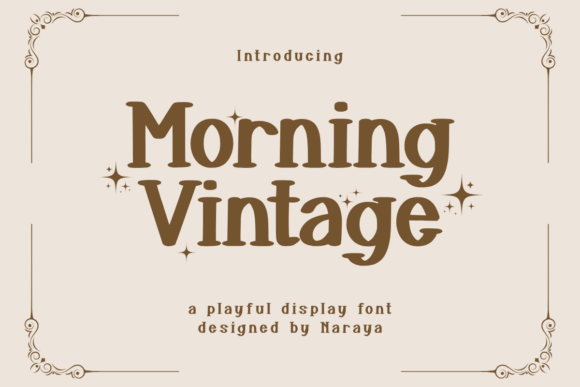
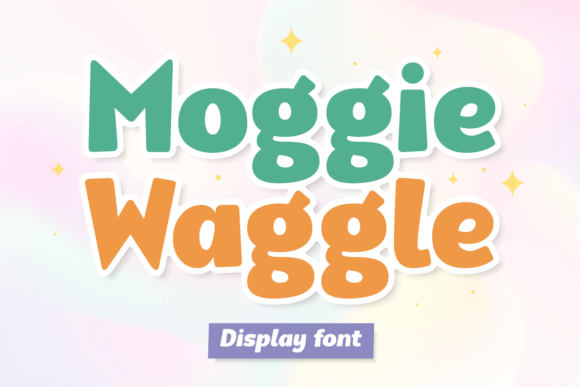
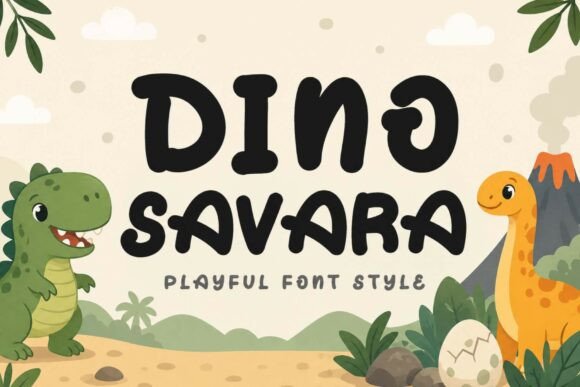
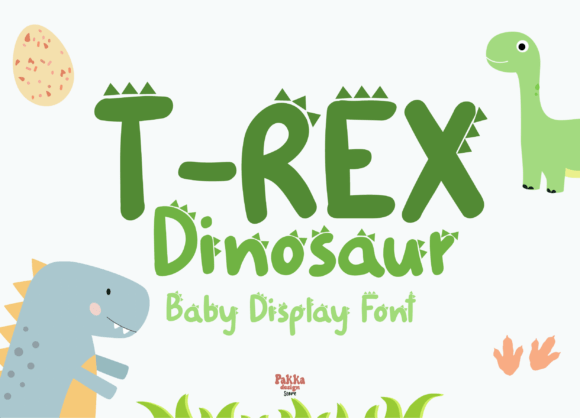
The T-Rex Dinosaur font is classified as a novelty or display typeface. Its primary function is decorative, utilizing glyph shapes that mimic dinosaur silhouettes, fossils, or jungle motifs. While many themed fonts sacrifice readability for aesthetic impact, this particular typeface attempts to maintain character recognition while delivering a sense of whimsy and nostalgia. It captures the charm of the dinosaur era without resorting to aggressive or overly complex textures that might hinder quick reading.
For researchers and creatives evaluating this asset, it is important to distinguish it from scientific illustration. This font does not aim for anatomical precision; rather, it offers a stylized interpretation suitable for conveying mood. The design echoes a time when giants roamed the Earth, but through a lens of playfulness and accessibility. This distinction makes it fundamentally different from academic typography used in museum placards or research papers, positioning it instead within the realm of engagement and storytelling.
Primary Use Cases and Strategic Fit
Determining whether the T-Rex Dinosaur font is the correct choice requires an analysis of the target audience and the medium of delivery. The typeface excels in environments where emotional connection and thematic immersion take precedence over information density.
- Educational Environments: In classrooms and nurseries, typography acts as a visual cue for learning. This font supports literacy initiatives by making text approachable and fun for young readers. It transforms standard signage or worksheets into engaging materials that spark curiosity about natural history.
- Thematic Events and Parties: For birthday parties, museum galas, or community events, the font establishes immediate context. It serves as an efficient shorthand for "dinosaur theme," reducing the need for excessive graphical decoration elsewhere in the layout.
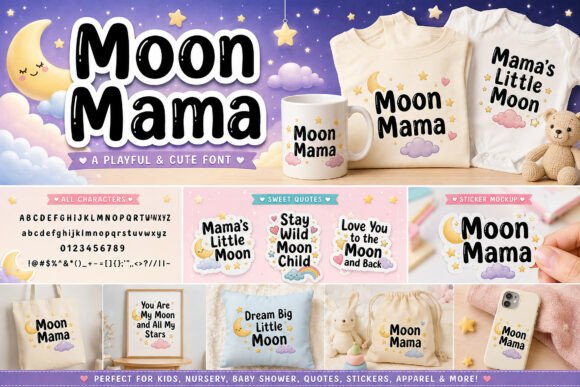
- Creative Crafts and Merchandise: The unique design structure lends itself well to vinyl cutting, embroidery, and screen printing. Because the letterforms are distinct and often bold, they reproduce clearly on physical media like t-shirts, mugs, and stickers where fine details might be lost.
- Nature Advocacy Materials: For organizations focusing on youth outreach or general nature appreciation, the font provides a timeless quality that bridges generational gaps, appealing to both children and adults who retain a sense of wonder regarding prehistoric life.
Benefits and Practical Advantages
Selecting the T-Rex Dinosaur font offers several tangible benefits for specific design challenges. Its most significant advantage is instant thematic communication. In marketing or educational collateral, viewers process visual tone before reading content. This typeface immediately signals the subject matter, allowing the accompanying imagery to focus on atmosphere rather than exposition.
Furthermore, the font’s playful nature reduces cognitive friction for younger audiences. Intimidating or overly formal typography can create barriers to engagement in early childhood education. By incorporating familiar, friendly dino vibes, the text becomes an invitation to explore rather than a demand to read. For crafters and hobbyists, the font also offers versatility; its stylistic consistency allows it to pair reasonably well with various hand-drawn illustrations or vector art without clashing, streamlining the design process for non-professionals.
Tradeoffs and Design Considerations
Despite its strengths, the T-Rex Dinosaur font presents limitations that must be weighed during the selection process. As a display font, it has low readability at small sizes or in long-form text. Using this typeface for body copy, instructions, or dense paragraphs will result in poor user experience and accessibility issues. It is strictly intended for headlines, titles, short phrases, and logos.
Another consideration is tonal appropriateness. While the font encapsulates whimsy, it may undermine serious messaging. Projects dealing with extinction events, climate change science, or academic paleontology require a level of gravitas that this playful style cannot provide. In such contexts, the font risks trivializing the subject matter. Additionally, users must evaluate the technical quality of the specific font file they intend to license. Novelty fonts vary significantly in production value; some lack proper kerning pairs, OpenType features, or multilingual support, which can lead to spacing issues or missing characters in professional layouts.
Comparing Alternatives
If the evaluation reveals that the T-Rex Dinosaur font does not fully meet project requirements, several alternatives warrant consideration based on specific deficits:
- For Higher Legibility: If the project requires extended reading but still needs a prehistoric feel, consider textured serif fonts or roughened sans-serifs. These suggest age and geology without compromising letterform clarity.
- For Scientific Accuracy: Museum exhibits and academic journals should utilize clean, modern grotesques or classic serifs. Let the photography and illustrations carry the dinosaur theme while the typography maintains authoritative neutrality.
- For Modern Youth Appeal: If the T-Rex Dinosaur font feels too nostalgic or retro, contemporary rounded geometric sans-serifs can offer a fresh, energetic alternative that appeals to Gen Z and Alpha demographics without relying on literal pictorial representations.
- For Hand-Lettered Authenticity: Custom lettering or brush scripts may provide a more organic, less manufactured look for artisanal crafts where a digital font might appear too uniform.
Making the Final Selection Decision
The decision to implement the T-Rex Dinosaur font should ultimately rest on a clear alignment between the typeface’s inherent characteristics and the project’s communication objectives. It is a strong candidate when the goal is to elicit nostalgia, facilitate play-based learning, or create distinctive merchandise. It successfully brings to life the charm of the dinosaur era for audiences seeking exploration and new journeys.
However, if the priority is information transmission, formal authority, or broad accessibility across diverse reading levels, alternative typographic solutions will yield better results. Designers and educators are encouraged to test the font in context—mocking up actual headlines or craft templates—before committing. This practical evaluation ensures that the chosen typeface enhances rather than hinders the intended message. When applied correctly, the T-Rex Dinosaur font remains a timeless asset, capable of sparking curiosity and adventure while serving as a functional component of a cohesive visual strategy.