Minimalist Alphabet: A Soft Font for Creative Design
In the vast landscape of typography, finding a typeface that balances simplicity with personality is often a challenge. Minimalist Alphabet emerges as a solution for designers and creators seeking a font that feels both modern and approachable. Defined by its soft, unique touch and distinctive strokes, this typeface moves beyond rigid geometric lines to offer something more organic. It is designed to be beautiful and eye-catching without overwhelming the viewer, making it a versatile tool for a wide array of creative projects. Whether you are crafting a brand identity or designing a personal invitation, understanding how this natural font style functions across different contexts is key to utilizing it effectively.
Defining the Aesthetic of Minimalist Alphabet
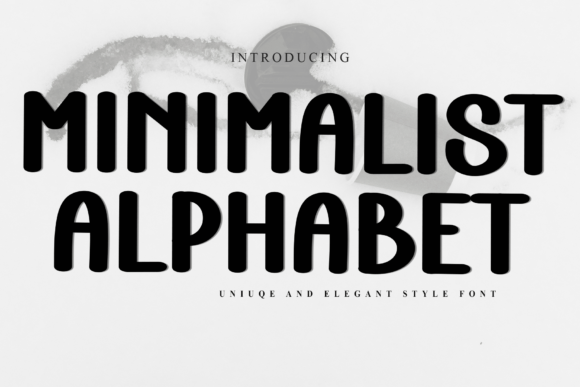
At its core, Minimalist Alphabet is characterized by a reduction of unnecessary elements, yet it retains a warmth that many sterile minimalist fonts lack. The "soft touch" mentioned in its description refers to the subtle curves and refined terminals that soften the overall visual impact. This creates a sense of calmness and elegance. Unlike harsh, industrial sans-serifs, this font carries a special character that feels handcrafted yet polished. The distinctive strokes provide enough visual interest to stand alone in a logo or headline while remaining legible enough for shorter body text. For users evaluating this font, the primary appeal lies in this duality: it is clean enough for professional use but expressive enough for artistic endeavors.
Perspectives from Creative Professionals and Marketers
For graphic designers, marketers, and entrepreneurs, typography is a strategic asset. When evaluating Minimalist Alphabet, these professionals prioritize versatility and commercial viability. The font’s ability to adapt to various applications makes it a reliable workhorse in a designer's toolkit.
- Brand Identity: Entrepreneurs launching lifestyle, wellness, or boutique brands often find that this natural font style communicates authenticity. The soft strokes suggest approachability and trust, which are critical for consumer-facing businesses.
- Packaging Design: Product designers value the font's legibility at smaller sizes. On cosmetic labels or artisanal food packaging, Minimalist Alphabet provides a premium feel without cluttering the limited space.
- Digital Interfaces: Web designers may utilize this typeface for hero sections or call-to-action buttons where a softer tone is required to reduce user friction and create a welcoming digital environment.
Professionals also consider long-term usefulness. Because the design avoids trendy gimmicks, it is less likely to look dated in two or three years. This reliability reduces the need for frequent rebranding, offering better return on investment for business owners who need their visual assets to endure.
Educators, Bloggers, and Content Creators
The priorities shift when the user is focused on communication rather than pure commerce. Educators, bloggers, and social media content creators often look for fonts that enhance readability and engagement. For these groups, Minimalist Alphabet serves as a tool for clarity and aesthetic cohesion.
Bloggers and influencers might use this font to create consistent templates for Instagram stories, Pinterest pins, or blog headers. In an era where visual consistency builds audience recognition, having a signature typeface that is easy to read on mobile screens is invaluable. The soft nature of the font pairs well with photography and pastel color palettes commonly used in lifestyle and educational content. It allows text to overlay images without competing aggressively for attention.
Educators creating worksheets, presentation slides, or learning materials benefit from the font’s distinct character forms. The unique strokes can help differentiate letters for early readers or language learners, while the minimalist structure prevents cognitive overload. Here, the evaluation criteria center on accessibility and presentation; the font must be inviting to students while maintaining professional standards for educational resources.
Crafters, Hobbyists, and Personal Projects
Not every user approaches typography with a commercial or pedagogical goal. For hobbyists, DIY enthusiasts, and individuals planning personal events, the emotional resonance of a font matters most. Minimalist Alphabet is particularly relevant for those engaged in crafts and personalized gifts.
When designing wedding invitations, birthday cards, or scrapbooks, users seek a typeface that feels intimate and special. The "natural font style" of Minimalist Alphabet bridges the gap between formal script and casual print. It is elegant enough for a wedding suite but relaxed enough for a child’s birthday party. Crafters using vinyl cutters or Cricut machines will appreciate the clean vector lines, which typically result in smoother cuts and easier weeding compared to overly intricate scripts. For this audience, ease of use and the final tactile quality of the project are the deciding factors. They are less concerned with licensing tiers or kerning pairs and more focused on whether the font makes their handmade creation look professionally finished.
Evaluating Suitability Based on Project Goals
Determining whether Minimalist Alphabet is the right choice requires an honest assessment of your specific needs. While versatile, no single font solves every problem. Consider the following practical distinctions to guide your decision:
- Tone Alignment: If your project requires authority, urgency, or technical precision (such as legal documents or industrial signage), this soft, unique touch may be too gentle. However, if the goal is connection, beauty, or lifestyle branding, it is an excellent match.
- Hierarchy Needs: Assess the full character set. Since Minimalist Alphabet is designed with distinctive strokes, ensure it includes the weights and alternates necessary for your layout. If you need heavy bolds for high-contrast editorial design, verify that the family offers sufficient variation.
- Application Compatibility: While compatible with various applications, always test the font in your specific software workflow. Embroidery digitizers, web developers, and print designers all have different technical requirements regarding spacing and rendering.
- Audience Expectation: Consider who will be reading or viewing the work. Younger demographics and creative communities often respond positively to soft minimalism, whereas traditional corporate sectors might prefer established classics.
Balancing Creativity with Practical Functionality
The true value of Minimalist Alphabet lies in its ability to serve multiple masters. It does not force a singular aesthetic but rather provides a foundation upon which different users can build their own visual narratives. For the beginner, it offers a forgiving and attractive entry point into typography that elevates simple designs instantly. For the seasoned professional, it acts as a nuanced instrument capable of conveying subtlety and sophistication.
Ultimately, selecting a typeface is about matching form to function. This font excels in spaces where human connection and aesthetic pleasure are paramount. By understanding how its soft, unique touch translates across business, education, and personal creativity, users can make informed choices that enhance their work. Whether enhancing a product line, teaching a concept, or preserving a memory, Minimalist Alphabet offers a distinctive voice that remains adaptable to the evolving needs of the creative community.