Industrial Grunge: Applying Raw Mechanical Aesthetics to Modern Design
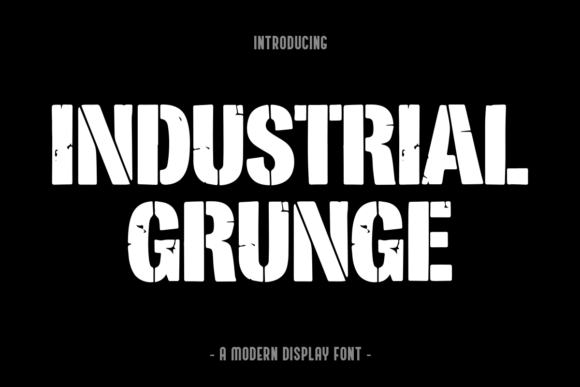
When a design project requires more than just clean lines and corporate polish, Industrial Grunge steps in as a visual anchor. This typeface is not merely a collection of letters; it is a texture, a mood, and a statement forged from the raw aesthetics of machinery, steel, and worn infrastructure. Unlike standard sans-serif fonts that aim for invisibility and neutrality, Industrial Grunge demands attention through its distressed forms and rugged character. It captures the essence of factories, mechanical parts, and weathered environments, translating physical grit into digital typography.
For designers, marketers, and brand strategists, understanding how to leverage this specific aesthetic is about more than just picking a "cool font." It is about matching the visual weight of the typography to the authenticity of the message. The rough edges and mechanical attitude of Industrial Grunge serve as a shorthand for strength, durability, and hard work. However, applying such a distinct style requires a nuanced approach to ensure it enhances rather than overwhelms the user experience.
Authenticity in Heavy Industry and Manufacturing Branding
The most immediate application for Industrial Grunge lies within the sectors that inspired its creation. For companies in manufacturing, construction, automotive repair, or logistics, sleek modern typography can sometimes feel disconnected from the reality of their daily operations. A pristine, geometric font might suggest technology and software, but it rarely communicates the smell of oil or the heat of a welding torch.
In these contexts, Industrial Grunge acts as a bridge between the business and its physical trade. Consider a safety equipment manufacturer launching a new line of heavy-duty gloves. Using this typeface on packaging or point-of-sale displays immediately signals durability. The distressed texture implies that the product has been tested in harsh conditions. It tells the customer, visually and subconsciously, that this gear belongs on a job site, not in a showroom. Similarly, for fabrication shops or steel suppliers, the font reinforces an identity built on tangible materials and skilled labor, validating the brand’s expertise through typographic association.
Craft Brewing, Distilling, and the Heritage Market
Beyond heavy industry, there is a massive consumer market that craves the aesthetic of production without the actual grime. The craft beverage industry, particularly breweries and distilleries, frequently utilizes Industrial Grunge to evoke heritage and artisanal craftsmanship. In this scenario, the font serves a different purpose: storytelling.
A microbrewery using Industrial Grunge on tap handles or can labels is tapping into a nostalgia for pre-digital manufacturing. It suggests small-batch production, copper kettles, and manual processes. Here, the "distressed" quality isn't about wear and tear from abuse; it is about age and tradition. Designers working in this space often pair the bold, rough letterforms with vintage illustration styles or muted color palettes to create a cohesive shelf presence. The font helps differentiate these products from mass-market competitors who typically rely on cleaner, more corporate branding. It transforms a beverage container into a tactile object that feels handcrafted and substantial.
Streetwear, Music, and Subcultural Identity
Fashion and entertainment industries utilize Industrial Grunge to communicate rebellion and counter-culture. In streetwear design, typography is often the primary graphic element. The jagged, imperfect nature of this typeface aligns perfectly with the DIY ethos of skate culture, punk music, and underground art scenes. It rejects perfectionism in favor of expression.
For concert posters, album covers, or festival branding, Industrial Grunge provides the necessary visual volume to match loud audio experiences. It carries an aggressive energy that polished fonts cannot replicate. When designing merchandise for bands or urban apparel brands, the font’s inherent texture allows it to interact beautifully with garment printing techniques. Discharge printing or distressed screen prints on black cotton t-shirts naturally complement the eroded look of the typeface, making the ink feel like part of the fabric rather than a layer sitting on top. This synergy between print method and font choice creates high-value merchandise that fans want to collect.
Navigating Legibility and Hierarchy Challenges
While the aesthetic strengths of Industrial Grunge are significant, practical application requires restraint. The very features that make it powerful—rough edges, uneven baselines, and internal texture—are also its greatest liabilities regarding readability. This typeface is almost exclusively a display font, meaning it is designed for headlines, logos, and short bursts of text rather than extended reading.
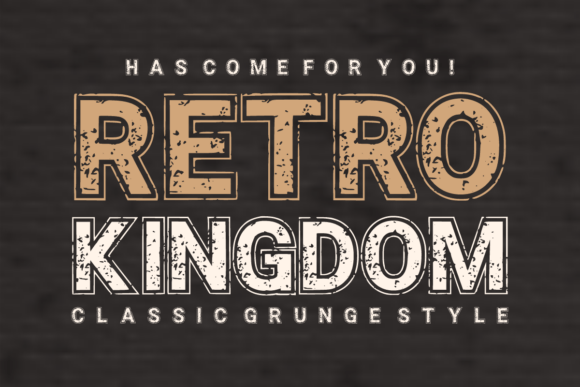
Designers must be vigilant about contrast and spacing. Because the letterforms contain so much internal detail and noise, placing them against a busy background or a photograph with high texture can cause legibility to collapse. Negative space becomes a critical tool; giving the typeface room to breathe ensures that the distress details remain visible and effective rather than turning into visual mud. Furthermore, pairing Industrial Grunge requires careful selection. It generally clashes with other decorative fonts. The most successful layouts typically pair it with a highly legible, neutral sans-serif or a sturdy monospaced font for body copy. This creates a functional hierarchy where the Industrial Grunge grabs attention and the secondary font delivers information clearly.
Digital Implementation and User Experience
Applying a textured typeface in web and app design introduces technical considerations that do not exist in print. On screens, especially at smaller sizes or lower resolutions, the fine details of distress can alias poorly or disappear entirely, leaving the text looking broken rather than stylistically eroded. Responsive design testing is non-negotiable when using Industrial Grunge digitally.
Accessibility should also be a primary concern. Users with visual impairments or dyslexia may struggle significantly with distressed typography due to reduced contrast and irregular shapes. Best practice dictates reserving Industrial Grunge for large-format hero images or decorative headings where it does not convey essential navigational information. Critical UI elements, buttons, and instructional text should always utilize accessible, standard typefaces. By treating Industrial Grunge as an atmospheric layer rather than a functional utility, designers can maintain the desired aesthetic without excluding users or harming conversion rates.
Selecting the Right Variation for the Project
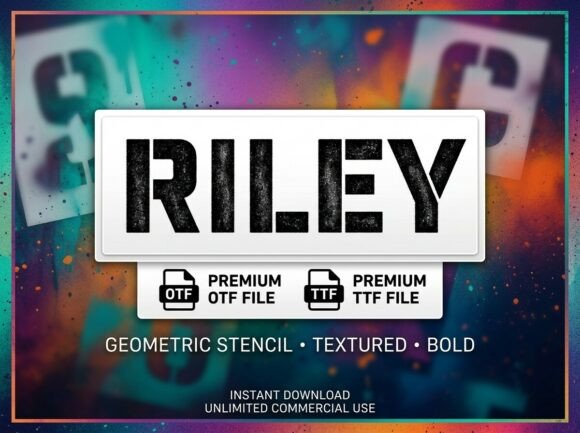
Not all industrial-style fonts are created equal, and choosing the right variation of Industrial Grunge depends heavily on the specific narrative goal. Some versions lean heavily into rust and decay, featuring dripping textures and severe erosion. These are ideal for horror themes, post-apocalyptic gaming, or extreme sports. Other variations are more mechanical and precise, mimicking stenciled crate markings or stamped metal plates. These cleaner iterations are better suited for architectural firms, tech hardware companies, or modern retail spaces that want an industrial vibe without appearing dilapidated.
Evaluating the "age" of the distress is equally important. Does the wear look like fresh scratches on new steel, or decades of paint peeling off brick? Matching the era of the texture to the brand's history prevents cognitive dissonance. A startup claiming to be innovative shouldn't use a font that looks like it hasn't been updated since 1920, unless that anachronism is intentional irony. Conversely, a century-old foundry shouldn't use a digital glitch-art version of industrial grunge. Scrutinizing the specific texture maps and edge treatments of the font file before purchase or download saves time and ensures the final design resonates authentically with the intended audience.