Cowboys Vintage: Authentic Western Display Typography
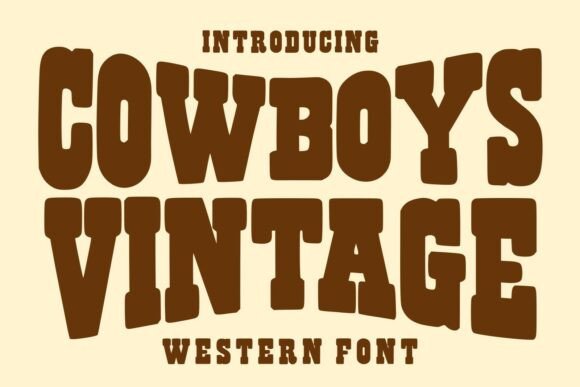
There is a distinct visual language associated with the American frontier, one that communicates rugged independence, historical authenticity, and bold character before a single word is read. Cowboys Vintage captures this specific aesthetic through a display font that feels less like a digital creation and more like a artifact recovered from a 19th-century print shop. Unlike generic western typefaces that rely on cartoonish embellishments or exaggerated serifs, this typeface grounds itself in the structural reality of vintage wood type and iron signage. It offers designers a tool for evoking nostalgia without sacrificing professional credibility, making it a valuable asset for projects requiring genuine period atmosphere rather than costume-party imitation.
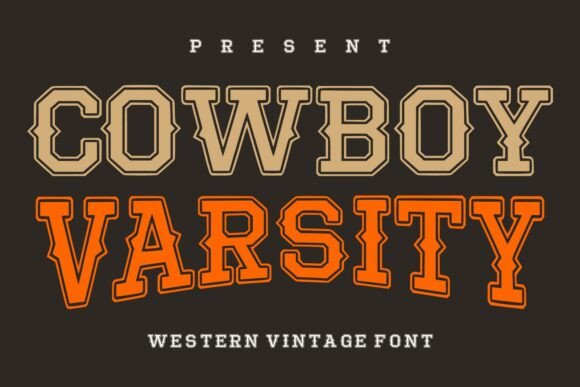
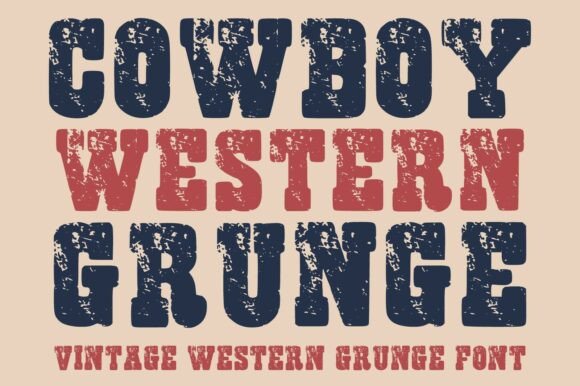
The visual personality of Cowboys Vintage is defined by its strong slab shapes and weathered texture. These aren't merely decorative elements; they serve as functional design cues that establish immediate context. The heavy weight of the letterforms commands attention, functioning effectively as a headline or focal point in complex layouts. When you integrate this creative font into a project, you are leveraging decades of cultural association with the Wild West, but doing so through a lens of refined typography. The distressed edges and imperfect lines add a layer of tactile realism that clean, modern vector fonts often lack, helping to bridge the gap between digital precision and analog warmth.
Strategic Applications in Branding and Packaging
For entrepreneurs and brand strategists working within the heritage, craft, or outdoor sectors, typography acts as a primary signal of brand values. Cowboys Vintage excels in packaging design where shelf presence and storytelling must happen simultaneously. Consider a small-batch bourbon label, a bag of artisanal coffee, or a line of leather goods. In these contexts, the font does heavy lifting, communicating quality and tradition instantly. The boldness of the typeface ensures legibility at smaller sizes on physical products, while the distinctive western character differentiates the product from competitors using safe, contemporary sans serif fonts.
Beyond physical goods, this premium font finds a natural home in event branding and hospitality. Saloons, barbecue restaurants, and country music festivals require visual identities that feel established and authentic. Using Cowboys Vintage for signage, menus, and promotional posters creates a cohesive environmental graphic design system. It transforms standard marketing materials into immersive experiences. For social media graphics, the font’s high contrast and textured details remain crisp even when compressed for mobile screens, ensuring your brand identity remains consistent across digital and print touchpoints. This versatility makes it a practical choice for marketers managing omnichannel campaigns where visual continuity is paramount.
Editorial Design and Merchandise
Publishers and content creators covering history, travel, or western culture can utilize this typeface to set the tone for editorial spreads. It works exceptionally well for pull quotes, chapter titles, and cover art, providing a visual anchor that guides the reader through the narrative. However, restraint is key in editorial design. Because Cowboys Vintage carries so much visual weight, it should be used sparingly to maintain impact. Overuse can dilute its power and fatigue the reader. Similarly, for t-shirt designs and merchandise, the font’s inherent texture reduces the need for additional graphical elements. A simple wordmark set in this typeface often possesses enough character to stand alone as a complete design, simplifying production and reducing ink costs for screen printers.
Navigating Readability and Visual Hierarchy
While Cowboys Vintage is undeniably atmospheric, it remains a display font first and foremost. Understanding its limitations is just as important as appreciating its strengths. This typeface is engineered for short bursts of text—headlines, logos, and brief statements. Attempting to use it for body copy or extended paragraphs will inevitably lead to readability issues and a cluttered layout. The intricate details and heavy slabs that make it beautiful at large sizes become visual noise at small sizes. Professional designers recognize that effective visual hierarchy relies on contrast. To maximize the effectiveness of this western display font, pair it with a clean, neutral companion.
A geometric sans serif or a traditional humanist serif font typically provides the best counterpoint. The simplicity of a modern sans serif allows the ornate nature of Cowboys Vintage to shine without competing for attention. Alternatively, a classic serif font can reinforce the vintage aesthetic while maintaining excellent legibility for longer descriptions. This interplay between the expressive display face and the utilitarian text face creates a balanced composition that feels both professional and thematic. When testing font pairings, always evaluate them at actual size and in context. What looks harmonious on a high-resolution monitor may fail in print or on a mobile device. Practical evaluation prevents costly redesigns later in the production process.
- Headline Dominance: Reserve Cowboys Vintage for primary messages where immediate emotional connection is the goal.
- Textural Balance: Offset the rough edges of the display font with smooth, solid colors or clean photography to prevent visual chaos.
- Spacing Adjustments: Vintage-style fonts often benefit from slight tracking adjustments; test tighter spacing for headlines and looser spacing for subheads to optimize rhythm.
- Color Considerations: Darker backgrounds often enhance the weathered texture, while light backgrounds emphasize the slab structure.
Evaluating Fit and Licensing for Commercial Use
Before committing to Cowboys Vintage for a major project, conduct a thorough fit assessment. Does the brand voice align with the rugged, historical connotations of the typeface? A tech startup or a minimalist skincare line might find the aesthetic dissonant, whereas a heritage workwear brand would find it synergistic. Authenticity matters to modern consumers; using a western font ironically or inappropriately can undermine trust. Review the included styles and alternates carefully. Many premium fonts include ligatures, swashes, or alternate characters that can customize the look and prevent repetitive letterforms in logos. These subtle variations can elevate a design from template-like to bespoke.
Licensing is another critical practical consideration. Always verify the commercial license terms before using any creative font in client work, merchandise, or advertising. Some licenses restrict usage based on impression counts, number of products sold, or specific media types. Ensuring compliance protects both the designer and the client from legal complications. Furthermore, consider the technical aspects of implementation. If using the font for web design, ensure proper embedding licenses are secured and that file sizes are optimized to prevent slow load times. While Cowboys Vintage is primarily a print and static-image powerhouse, careful technical planning allows it to function in digital environments without compromising performance.
Ultimately, the value of Cowboys Vintage lies in its ability to convey a complex mood efficiently. It saves designers the time and effort of manually distressing type or illustrating western motifs from scratch. By providing a ready-made foundation of authentic frontier typography, it allows creatives to focus on layout, messaging, and strategy. Whether you are designing a poster for a local rodeo, rebranding a historic hotel, or creating packaging for a new line of hot sauce, this typeface offers a reliable, aesthetically rich solution. It respects the history of western typography while meeting the rigorous demands of contemporary commercial design, proving that vintage style and modern utility can coexist effectively.