Cowboy Varsity: Bold Western Display Typography
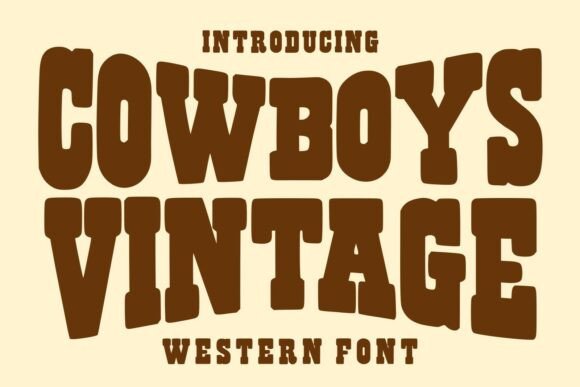
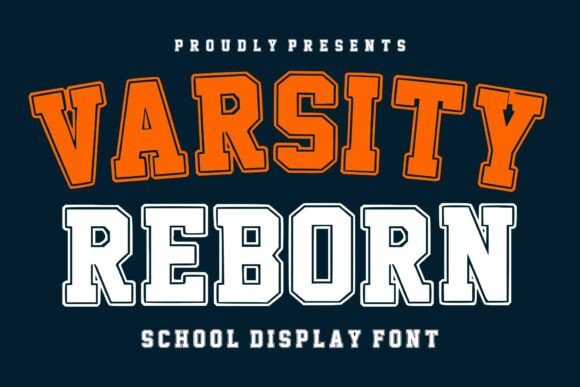
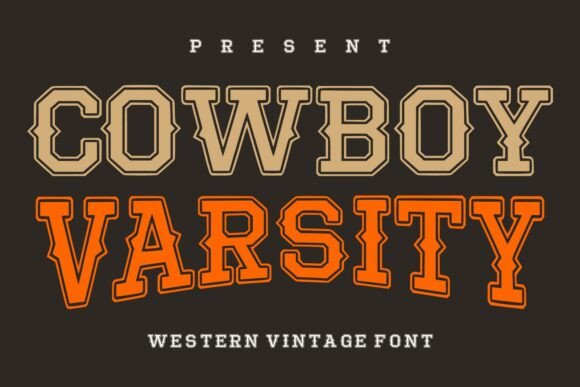
When a design project demands immediate attention and a distinct sense of place, Cowboy Varsity delivers a visual punch that few other typefaces can match. This isn't just another western font; it is a deliberate hybrid that merges the rugged authority of frontier aesthetics with the structured confidence of collegiate athletics. The result is a bold display typeface featuring strong slab-inspired letterforms layered with intricate outline details. For designers and brand strategists, this unique combination solves a specific problem: how to evoke nostalgia and authenticity without sacrificing modern readability or professional polish.
The personality of Cowboy Varsity sits at an interesting intersection. Traditional western fonts often lean heavily into ornate scripts or weathered textures that can feel cliché or difficult to read at smaller sizes. Conversely, standard varsity block letters can sometimes appear too generic or strictly academic. By blending these two worlds, this premium font creates a retro look that feels both familiar and fresh. The slab serifs provide a sturdy foundation that anchors the design, while the varsity-style outlines add depth and a sporty energy. This duality makes it an exceptionally versatile tool for creative professionals who need to communicate strength, heritage, and approachability simultaneously.
Strategic Applications Across Branding and Media
Understanding where to deploy a specialized display font is just as important as selecting it. Cowboy Varsity excels in environments where visual hierarchy is paramount. Because of its heavy weight and decorative nature, it functions best as a headline or focal point rather than body text. In logo design, the font’s inherent character reduces the need for additional iconography. A wordmark set in this typeface carries enough semantic weight to stand alone, making it ideal for startups, local businesses, and product lines that want to establish instant recognition.
Beyond logos, this typeface finds a natural home in packaging design and apparel. Consider a craft brewery, a boutique coffee roaster, or an outdoor gear company. These brands often struggle to balance artisanal quality with mass-market appeal. The layered outline details of Cowboy Varsity translate beautifully to physical media, whether embroidered on a trucker hat, stamped on kraft paper packaging, or printed on a vintage-style poster. The font’s structure ensures it remains legible even when reproduced in textured materials or at varying scales, a critical factor for merchandise and environmental signage.
In the digital realm, social media graphics and web headers benefit significantly from this bold aesthetic. On platforms like Instagram or Pinterest, where users scroll quickly, typography must arrest attention within milliseconds. The high contrast and distinctive silhouette of Cowboy Varsity perform well in thumbnails and banner images. However, web designers should exercise restraint. While it is perfect for H1 tags or hero section headlines, it should be used sparingly to maintain site performance and user experience. Treat it as a spice, not the main course, ensuring that the rest of your interface remains clean and navigable.
Elevating Visual Hierarchy and Audience Engagement
Typography is never just about decoration; it is a functional component of communication. Using Cowboy Varsity effectively requires an understanding of how it influences viewer perception. The slab-serif construction signals stability and tradition, which helps build trust with audiences looking for authentic experiences. Meanwhile, the varsity influence introduces a sense of team spirit and dynamism. This psychological blend is particularly effective for event branding, festival promotions, and community-focused initiatives where you want attendees to feel both excited and grounded.
From a technical standpoint, the font aids in establishing clear visual hierarchy. Its bold presence naturally draws the eye first, allowing you to guide viewers through your content in a deliberate sequence. When paired correctly, it creates a tension that keeps designs from feeling static. For editorial design or magazine layouts, using this typeface for pull quotes or section dividers can break up dense text and re-engage readers. It acts as a visual anchor, providing breathing room and rhythm within complex compositions. This strategic use of display typography transforms passive reading into an active visual experience.
Pairing, Licensing, and Practical Implementation
The success of any creative font relies heavily on what surrounds it. Cowboy Varsity is loud, so its partners need to be quiet. Avoid pairing it with other decorative, script, or handwritten fonts, as this creates visual competition and clutter. Instead, opt for clean, neutral sans serif or simple serif typefaces for body copy. A geometric sans serif can enhance the modern varsity aspect, while a traditional humanist serif can lean into the western heritage. The goal is to let Cowboy Varsity shine without overwhelming the message. Always test your pairings at actual size; what looks balanced on a 27-inch monitor may feel cramped on a mobile screen or business card.
Readability considerations extend beyond pairing. While this font is designed for impact, certain letter combinations may require manual kerning adjustments, especially in all-caps settings. The layered outlines can sometimes create optical illusions where spacing appears uneven. Taking the time to refine tracking ensures a professional finish that distinguishes high-end design work from amateur efforts. Additionally, consider the background color and texture. High-contrast backgrounds (like cream text on dark brown) typically yield the best legibility, whereas low-contrast combinations can cause the outline details to vibrate or disappear.
Finally, always verify commercial licensing before launching a project. As a premium font, Cowboy Varsity comes with specific usage rights that vary by foundry. If you are designing for a client, ensure the license covers their intended use cases, including digital ads, merchandise resale, or broadcast media. Many designers overlook this step, leading to legal complications down the road. Investing in the proper commercial font license is not just about compliance; it supports the type designer and ensures you have access to updates and alternate characters that might be essential for future brand expansions. By respecting these practical boundaries, you ensure that your bold typographic choices remain sustainable assets for your brand identity.