Ankur: Mastering the Cinematic Display Typeface for Modern Branding
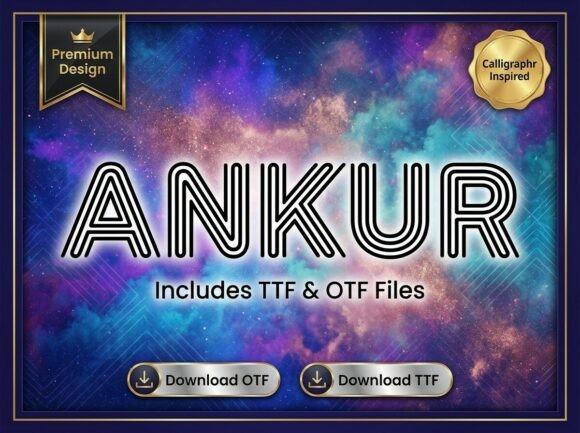
Choosing a typeface that bridges the gap between nostalgic aesthetics and contemporary digital demands is a delicate balancing act. Ankur has emerged as a definitive solution for designers seeking a cinematic display font with a dynamic, digital soul. Characterized by tall sans-serif letterforms and a distinctive rhythmic triple-line inline detail, this typeface captures a specific energy that resonates with electronic music culture, futuristic gaming interfaces, and high-tech branding. However, its unique structural weight means it requires a more thoughtful application than standard geometric sans-serifs.
Many creators are drawn to Ankur for its immediate visual impact, but enthusiasm can sometimes lead to misuse. To truly leverage this font’s potential without compromising readability or brand integrity, it is essential to understand not just what makes it special, but where it commonly fails in execution. By avoiding specific pitfalls, you can ensure your designs maintain that perfect synthesis of retro 80s synthwave and modern precision.
Understanding the Triple-Line Inline Constraint
The most defining feature of Ankur is also its most restrictive: the triple-line inline detail. This element provides the font's signature texture and kinetic energy, but it fundamentally changes how the typeface behaves at different scales. A frequent mistake among beginners and even seasoned professionals is treating Ankur like a versatile workhorse rather than a specialized display tool.
When designers attempt to use Ankur for body copy, subheads, or small UI elements, the intricate line work often collapses. On screens with lower pixel density or in print at smaller point sizes, those three distinct lines can merge into a muddy gray mass. This destroys legibility and negates the premium feel the font is designed to convey. The corrective approach is strict discipline regarding scale.
- Reserve for Headlines: Use Ankur exclusively for large-format applications such as poster titles, hero section headers, and social media overlays.
- Test at Target Size: Always preview the font at the exact output resolution. What looks crisp on a 4K design monitor may bleed together on a mobile device or standard office printer.
- Pair with Clean Sans-Serifs: Let Ankur handle the personality while a neutral grotesque or neo-grotesque handles the information hierarchy. This contrast amplifies Ankur’s cinematic quality rather than competing with it.
Navigating Color and Contrast in Neon Aesthetics
Ankur is frequently associated with neon signage, cyberpunk themes, and glowing digital interfaces. While this association is valid, relying solely on glow effects is a common misstep. Designers often assume the font needs external lighting effects to look "correct," leading to over-processed graphics where the letterforms themselves become secondary to the blur and bloom.
The structural weight of Ankur is balanced specifically to hold its own without excessive post-processing. Overusing outer glows can cause the triple-line details to visually vibrate or disappear entirely against bright backgrounds. Instead of defaulting to neon filters, focus on solid color relationships and negative space. The font’s internal rhythm provides sufficient complexity; adding too much external noise creates visual fatigue.
A better approach involves using high-contrast flat colors or subtle gradients that respect the inline geometry. If a glow is necessary for a gaming interface or music poster, keep it tight and controlled. Ensure the core shape of the letter remains the sharpest element in the composition. Remember that in professional tech startup identities, clarity often communicates innovation more effectively than excessive stylization.
Evaluating Licensing and Technical Compatibility
Before integrating Ankur into a commercial project, verifying technical specifications and licensing terms is non-negotiable. A surprising number of projects face delays or legal complications because the designer assumed all display fonts share identical licensing structures or character sets. Ankur’s niche positioning means it may have different coverage than system fonts.
Check the character set thoroughly before committing to a layout. Specialized display typefaces sometimes omit extended punctuation, currency symbols, or multilingual support to prioritize stylistic alternates. Discovering mid-project that Ankur lacks a specific glyph needed for a global tech campaign forces an awkward redesign or an inconsistent font substitution. Additionally, confirm whether your license covers web embedding, app usage, or video content. Using a desktop-only license for a YouTube thumbnail series or a Twitch overlay can inadvertently violate terms of service.
Avoiding Contextual Dissonance
While Ankur excels in electronic music posters and futuristic branding, applying it to incompatible contexts dilutes its effectiveness. Some marketers attempt to use the font for corporate finance, healthcare, or traditional luxury goods simply because it is trending. This creates cognitive dissonance for the audience. The font’s digital, rhythmic nature signals speed, technology, and nightlife; it does not inherently communicate stability, care, or heritage.
If your project requires a bridge between retro and modern but lacks the high-energy component, Ankur might be too aggressive. Evaluate the emotional tone of the content first. For independent creators and freelancers, authenticity matters more than trend adherence. Using a cinematic display font for a quiet, minimalist portfolio site can feel performative rather than functional.
Conversely, if you are working within the correct verticals—gaming, tech, music, or avant-garde fashion—ensure the surrounding imagery matches the typeface’s intensity. Pairing Ankur with soft, organic photography or traditional serif layouts without a clear conceptual reason can make the design feel disjointed. Successful application requires holistic alignment between typography, imagery, and message.
Practical Checklist Before Implementation
To maximize efficiency and satisfaction when choosing Ankur, run through a quick evaluation process. This prevents buyer’s remorse and ensures the asset serves its intended purpose effectively.
- Define the Hierarchy: Confirm you have a secondary and tertiary typeface selected. Ankur should never carry the entire typographic load.
- Audit the Medium: Is this primarily for screen or print? If screen, have you tested the triple-line rendering on mobile viewports?
- Review Content Length: Display fonts with complex details struggle with long words or tight tracking. If your headline is verbose, consider editing the copy to fit the font’s proportions rather than forcing the font to accommodate dense text.
- Verify Brand Alignment: Does the rhythmic, digital aesthetic support the brand voice, or is it merely decorative?
- Check File Formats: Ensure you have OTF or TTF files appropriate for your software pipeline, and WOFF2 files optimized for web performance if applicable.
Ankur offers a powerful visual vocabulary for those willing to respect its constraints. By understanding its limitations regarding scale, color, and context, designers can transform it from a novelty into a cornerstone of impactful visual communication. The goal is not just to use a stylish font, but to enhance usability and storytelling through intentional typographic choices. When applied with precision, Ankur delivers exactly what it promises: a dynamic, digital soul that elevates modern creative work beyond the ordinary.